
.webp)
.webp)
.webp)


Workwear manufacturer in Pakistan insights on how poor uniform design impacts productivity, safety, and efficiency across industrial workplaces.
In industrial environments, uniforms are more than a standard requirement, they are a key part of how efficiently work gets done. When design elements are overlooked, even small inefficiencies in clothing can lead to measurable productivity losses. Workers rely on their uniforms for comfort, protection, and ease of movement, and when these expectations are not met, performance begins to decline.
Across multiple industries, businesses are now recognizing that uniform design directly impacts workflow, safety, and employee satisfaction. This is why many organizations are turning to a reliable workwear manufacturer in Pakistan to create solutions that go beyond basic compliance and support real operational needs.
Uniforms influence how workers move, react, and perform tasks throughout the day. Poor design creates friction, both physically and operationally, which gradually reduces efficiency.
Common hidden issues include:
● Limited flexibility affecting movement-intensive tasks
● Fabric discomfort causes distraction and fatigue
● Lack of durability leading to frequent replacements
● Poor compliance increases operational risks
A safety clothing manufacturer focused on performance ensures that these issues are addressed at the design stage rather than after problems arise.
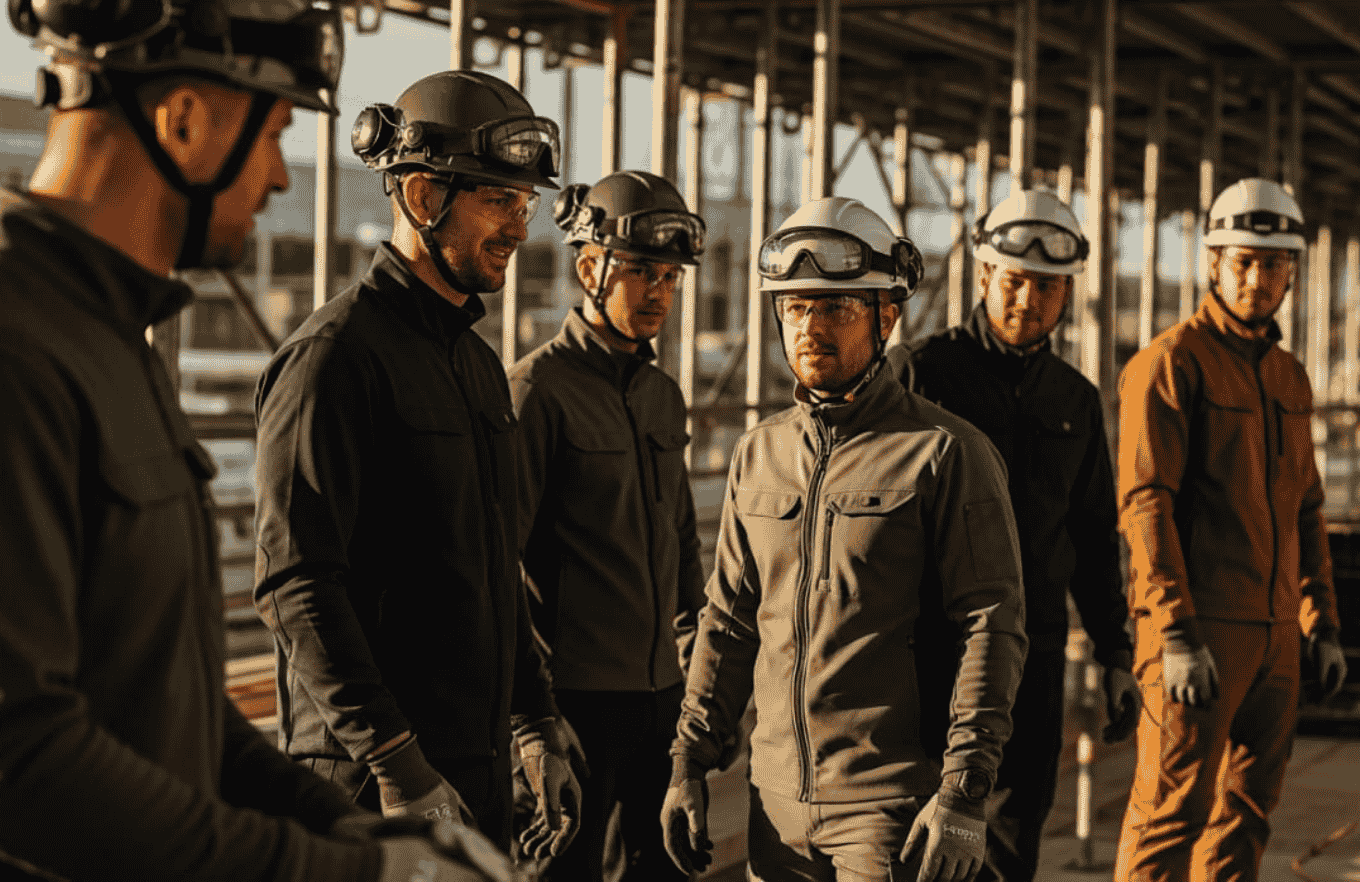
When uniforms are not tailored for industrial movement, they limit efficiency. Tight seams, improper sizing, or rigid woven structures can restrict bending, lifting, and reaching.
This leads to:
● Slower task execution
● Increased physical strain
● Reduced worker confidence in performing tasks
A well-designed garment from a reliable manufacturer incorporates ergonomic cuts and flexible woven fabrics that support natural movement without compromising durability.
Industrial workers often operate in demanding environments where heat exposure is unavoidable. Uniforms that fail to manage temperature create discomfort and reduce endurance.
Key issues caused by poor breathability:
● Excessive sweating leading to dehydration
● Reduced focus due to discomfort
● Frequent breaks are impacting the workflow
A sustainable workwear manufacturer in Pakistan focuses on fabric engineering that improves airflow and moisture control, ensuring consistent performance during long shifts.
Uniforms that degrade quickly create operational inefficiencies. Damaged garments not only require replacement but also compromise safety compliance.
Signs of poor durability include:
● Fabric thinning after repeated washing
● Seam failures in high-stress areas
● Loss of protective properties over time
Well, a green and durable workwear supplier uses reinforced stitching, high GSM woven fabrics, and abrasion-resistant finishes to extend garment life.
Uniforms should be designed with the job in mind. Without functional elements, workers are forced to adapt, which wastes time and effort.
Important functional features include:
● Multi-purpose utility pockets
● Reinforced knees and elbows
● Adjustable closures for a better fit
● Tool accessibility zones
Samad Outerwear shows how integrating these features can significantly improve workflow and reduce unnecessary movement.
Non-compliant uniforms expose workers to risks that can lead to downtime, injuries, and operational delays. Compliance ensures both safety and uninterrupted performance.
Key international standards to consider:
● ISO 13688: General protective clothing requirements
● EN ISO 20471: High-visibility clothing standards
● ISO 11612: Protection against heat and flame
● ISO 11611: Welding and allied processes
● IEC 61482-2: Arc flash protective clothing
● EN 343: Protection against rain
● EN 342: Cold weather protection
● ANSI/ISEA 107: High-visibility safety apparel
● NFPA 2112: Flame-resistant garments for industrial use
● NFPA 70E: Electrical safety in the workplace
A safety clothing manufacturer that aligns with these standards ensures that uniforms contribute to productivity rather than causing disruptions.

Organizations often underestimate how much poorly designed uniforms cost over time. The impact goes beyond direct expenses and affects overall efficiency.
Hidden costs include:
● Reduced worker output due to discomfort
● Increased absenteeism due to fatigue or injuries
● Higher replacement and maintenance expenses
● Compliance penalties and operational downtime
The right workwear manufacturers help businesses reduce these risks by delivering high-performance garments designed for long-term use.
To maximize productivity, uniforms must meet both functional and safety requirements.
Essential characteristics include:
● Ergonomic design for unrestricted movement
● Breathable and moisture-wicking fabrics
● Reinforced high-impact areas
● Compliance with multiple safety standards
● Long-lasting color and fabric integrity
Samad Outerwear integrates these elements into its production approach, ensuring that uniforms support both safety and operational efficiency.
Industrial environments are evolving, and uniform design must evolve with them. Businesses now require garments that combine durability, sustainability, and performance.
Samad Outerwear reflects this shift by focusing on practical design solutions that enhance worker comfort while maintaining compliance and durability. This approach ensures that uniforms become an asset rather than a limitation.
Contact Samad Outerwear today to equip your workforce with durable, compliant workwear that enhances safety, boosts performance, and delivers long-lasting reliability tailored to your operational needs.
Uniform design plays a far more critical role in productivity than many organizations realize. Poorly designed garments can quietly reduce efficiency, increase fatigue, and create safety risks that impact overall operations.
By working with an experienced workwear manufacturer in Pakistan, businesses can ensure that their uniforms are designed to support real working conditions. Investing in high-quality workwear is not just about meeting standards; it is about improving performance, reducing costs, and creating a safer, more productive workplace.
Uniform design affects movement, comfort, and safety, all of which directly influence efficiency and task completion speed in demanding environments.
Standards such as ISO 13688, EN ISO 20471, ISO 11612, ISO 11611, and NFPA 2112 ensure safety, durability, and performance.
A reliable safety clothing manufacturer ensures high-quality, compliant, and durable uniforms that reduce downtime and improve worker productivity.