
.webp)
.webp)
.webp)


Learn how global buyers can evaluate protective clothing that combines verified safety performance, durable design, responsible production, and substantiated environmental claims.
Protective clothing must provide appropriate protection against identified workplace hazards. At the same time, international buyers increasingly want to reduce waste, improve garment life, and understand the environmental impact of their supply chains. A responsible protective clothing manufacturer can address these priorities through verified materials, durable construction, efficient production, and clear documentation.
Safety must remain the primary requirement. Environmental objectives should complement the protective function rather than replace it. Buyers should evaluate material selection, durability, manufacturing efficiency, care, replacement, and end-of-life considerations together.
Safety and sustainability can work together when protective clothing is developed for its intended application. A garment that remains serviceable through repeated industrial use may reduce premature replacement, provided its protective function remains intact.
Fabric strength, seam construction, reinforcement, closures, finishing, care, and working conditions influence garment life. Buyers should compare documented performance and lifecycle value rather than relying only on initial price or broad environmental descriptions.
No environmental objective should remove or weaken features required for protection. Recycled or lower-impact materials are suitable only when they also meet the technical and regulatory requirements of the intended application.
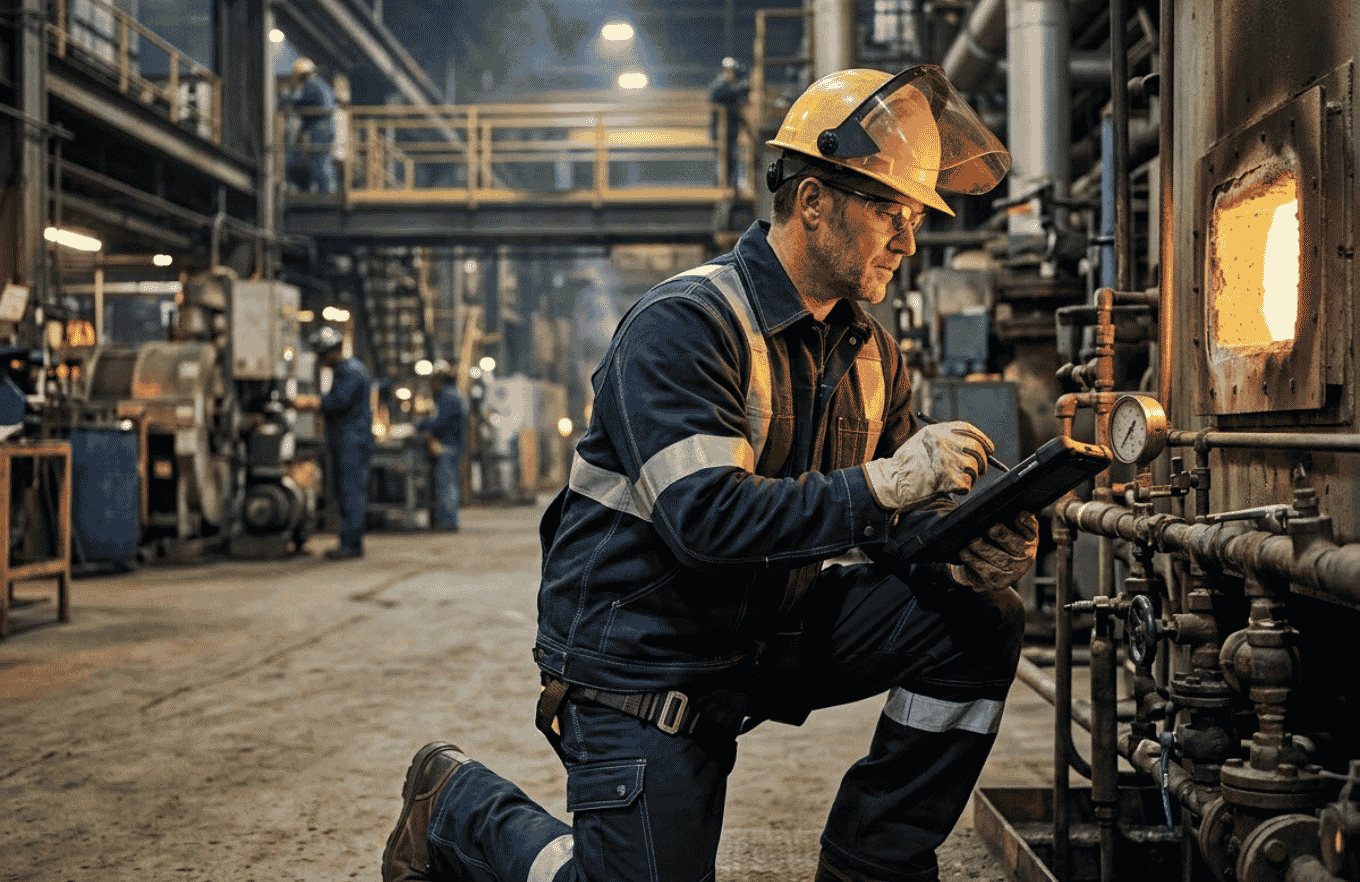
Durability can contribute to a more responsible workwear program. Garments that withstand repeated use may remain in service longer when properly maintained and when their required protective performance remains effective.
When evaluating workwear, buyers should consider abrasion resistance, fabric strength, stitching, reinforcement, closures, and expected working conditions. Longer garment life can help reduce unnecessary replacement and disposal.
Material selection influences both protective performance and the environmental considerations of workwear. Different applications may require strength, flexibility, breathability, thermal performance, visibility or resistance to particular workplace hazards.
Where technically suitable, recycled-content or other lower-impact materials may be considered. Such claims should identify exactly what is being claimed and be supported by relevant, current evidence. A fibre claim alone does not establish the protective performance of the finished garment.
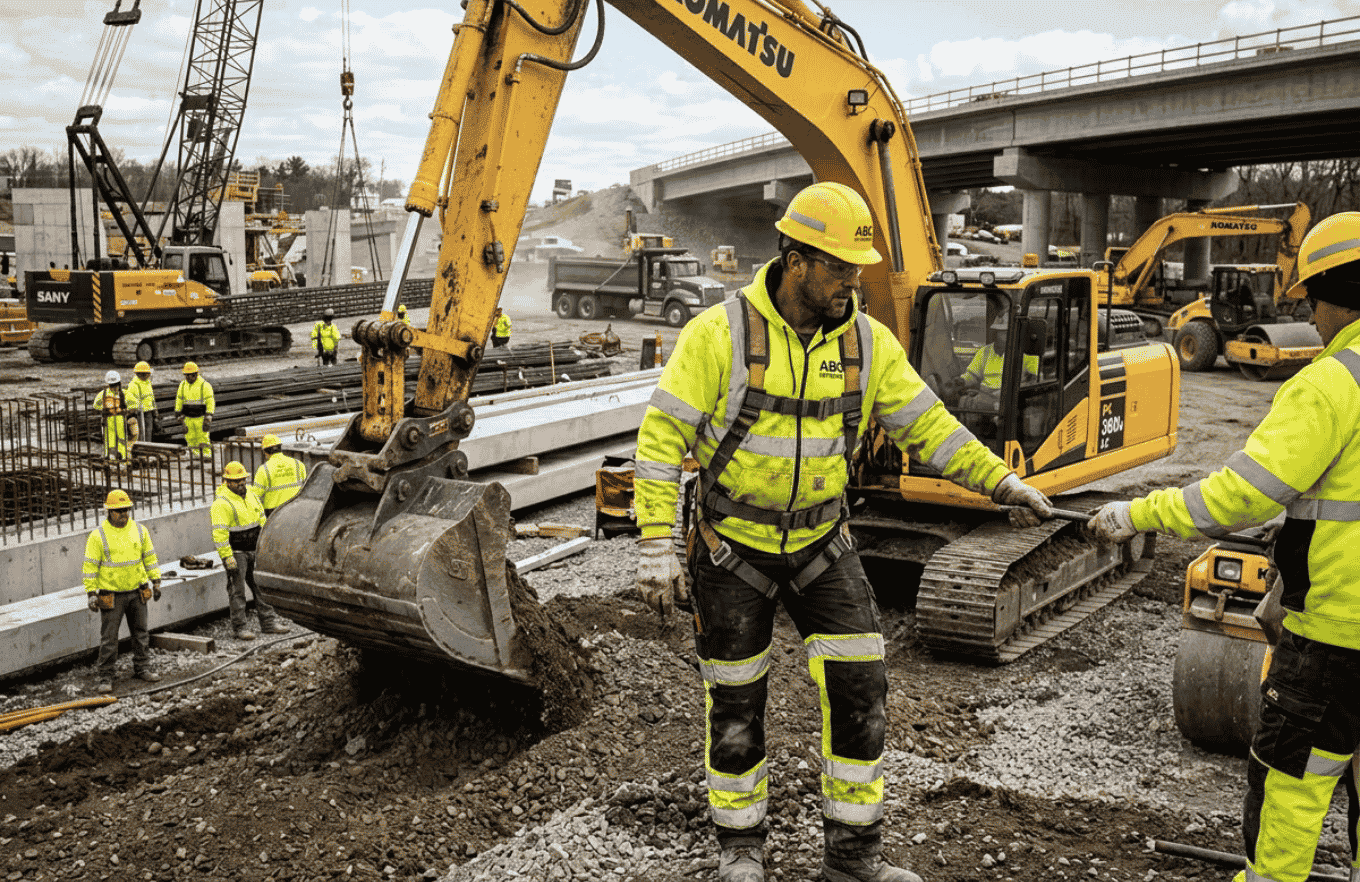
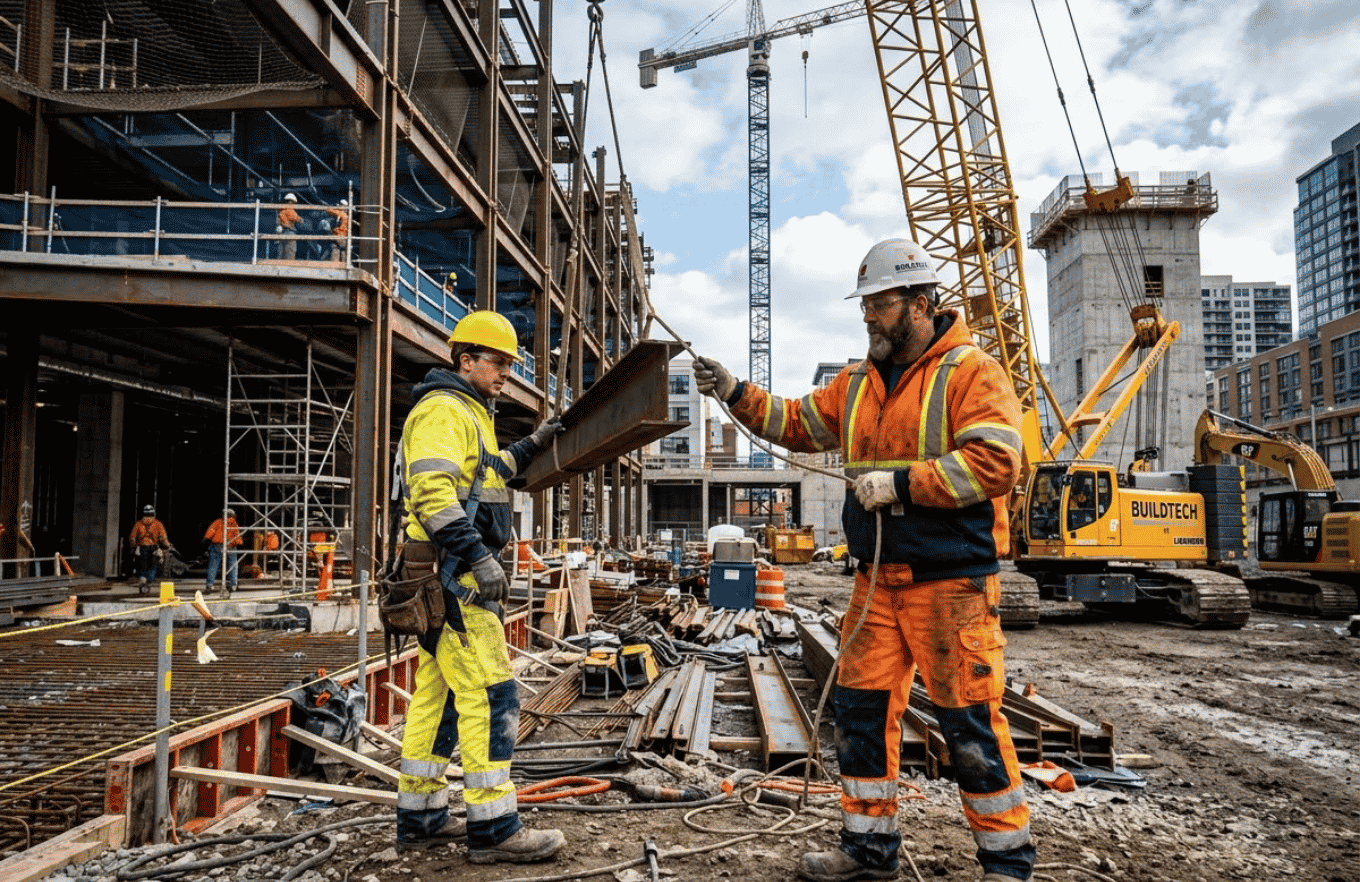
Construction, manufacturing, utilities, outdoor operations and other industrial environments have different requirements. Garments should be selected according to the task, exposure and working conditions.
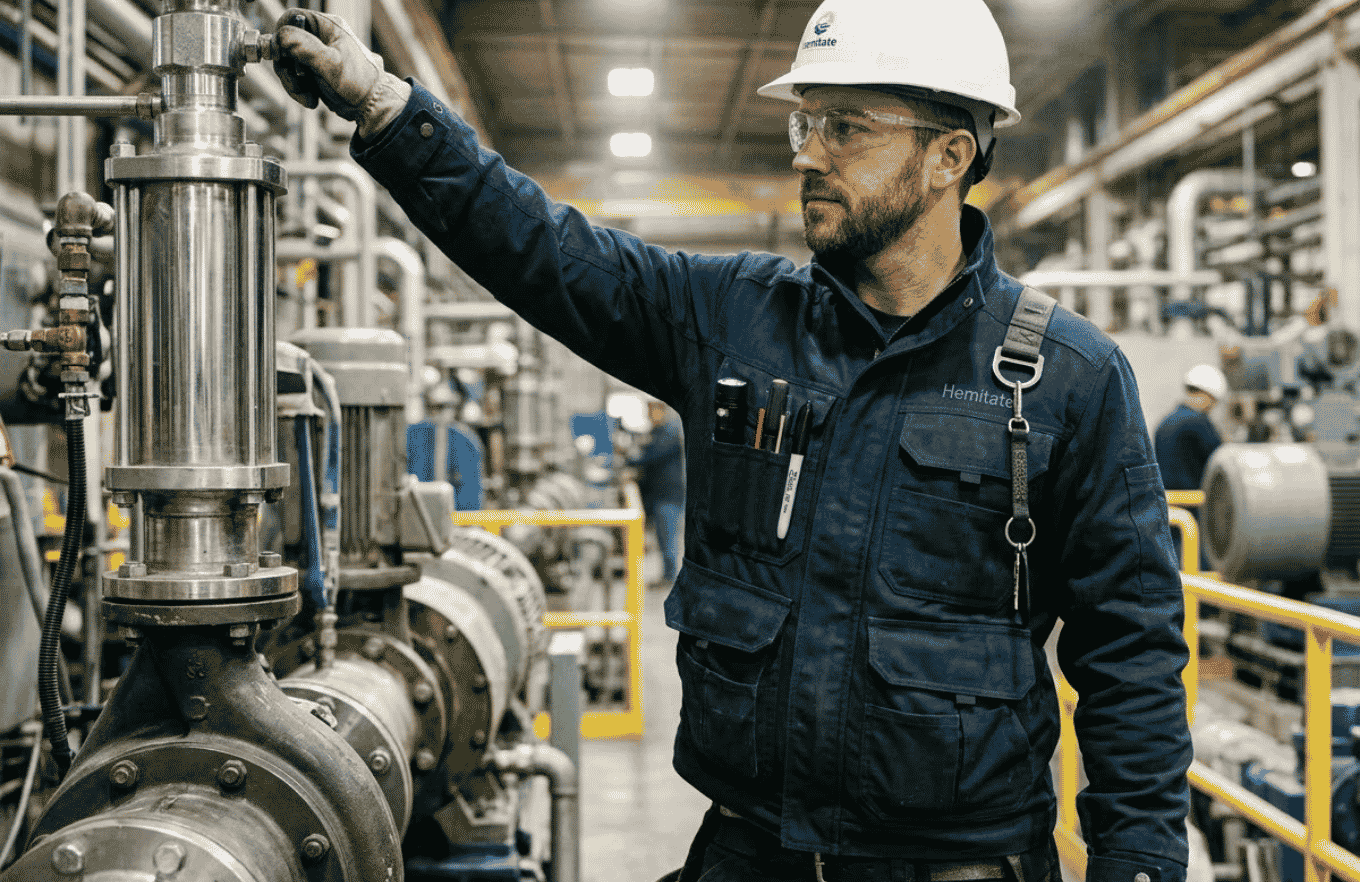
Welding protective clothing should be selected according to the welding process and the assessed exposure to heat, flame, sparks, spatter, and related hazards. Sustainability considerations may be reviewed alongside these requirements, but verified protection remains the priority.
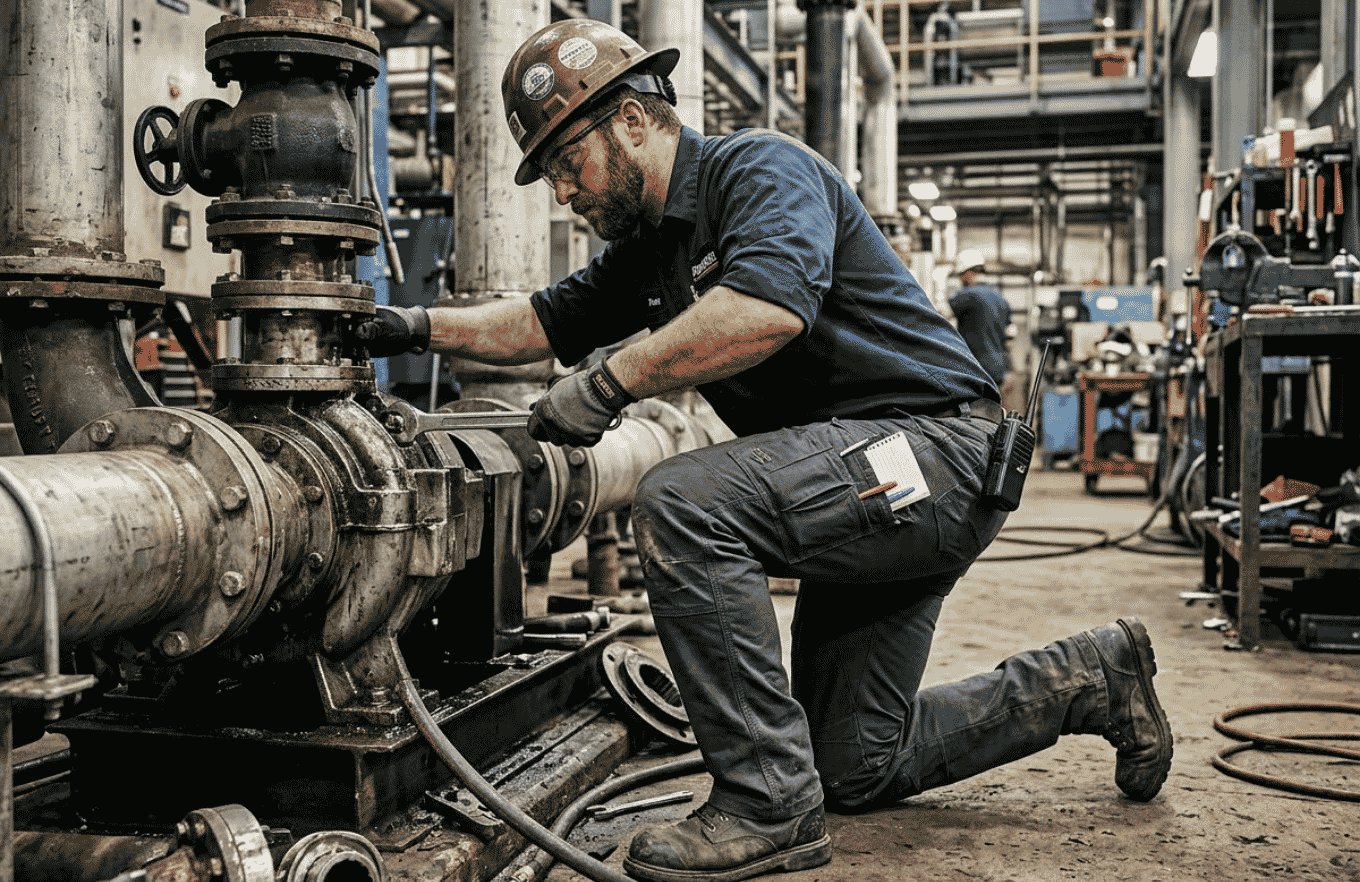
Industrial workwear can be exposed to heat, sparks, abrasion, weather and repeated movement. Protective garments therefore need construction and materials suited to the conditions in which they will be used.
Responsible practices can include durable materials, efficient cutting, controlled production waste, appropriate packaging, repair where safe and practical, and garment designs intended for longer service. Each claim should be specific and supported.
For global procurement teams, environmental performance should be evaluated across relevant lifecycle stages rather than through one vague claim such as eco-friendly or green.
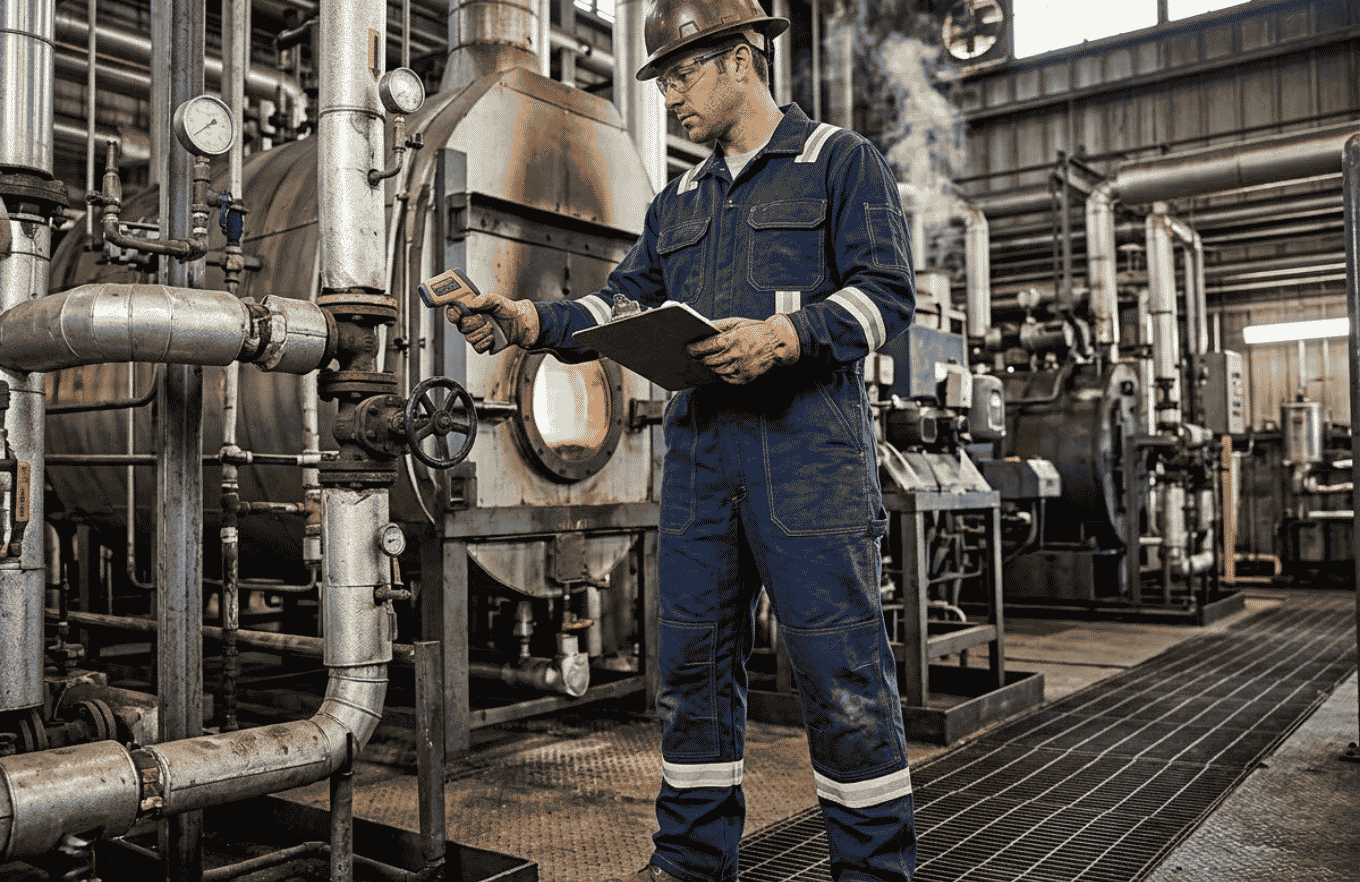
Efficient pattern planning can reduce cutting waste. Durable components and practical construction may also help reduce premature replacement when the garment remains safe and serviceable.
Where technically appropriate, repairable components may extend useful life. Protective garments must be removed from service when damage, contamination, ageing, or deterioration affects their intended protection.
Protective workwear is used across construction, oil and gas, manufacturing, utilities, welding and fabrication, logistics, maintenance, infrastructure and outdoor services.
Each sector presents different workplace hazards. The garment specification should therefore be based on the actual task, exposure, working environment and applicable requirements.
Manufacturing practices influence material use, production waste, garment quality, and consistency. Efficient cutting, controlled processes, quality inspection, and suitable material utilization can contribute to more responsible workwear production.
International buyers should evaluate the manufacturing process as well as the finished garment. Useful evidence may cover material sourcing, verified recycled content, cutting efficiency, waste management, chemical controls, quality systems, and methods used to maintain consistent production.
Choosing the right manufacturing partner is important when developing protective clothing for international markets. We work with importers, brands, distributors, and wholesalers to develop garments according to the intended application, approved specification, and production requirements.
Buyers can discuss material selection, garment construction, sizing, customization, sampling, branding, packaging, documentation, and bulk export manufacturing requirements.
As a protective clothing manufacturer, Samad Workwear aligns product development with identified workplace applications rather than assuming one standard garment is suitable for every requirement.
We also support businesses developing welding protective clothing and other industrial workwear where materials, construction, functionality, documentation, and production consistency must be considered together.
Before choosing a protective clothing manufacturer, importers and procurement teams should review:
● Whether the garment matches the identified workplace hazards.
● Whether materials and construction suit the intended application.
● Whether the garment is designed for its expected service conditions and care method.
● Whether applicable testing and compliance documentation is available.
● Whether production quality can remain consistent at the required volume.
● Whether customization has been reviewed against the approved garment specification.
● Whether care, maintenance and replacement guidance is provided.
● Whether every environmental claim is specific, relevant, and supported by current evidence.
Safety, compliance, recycled-content, waste-reduction, and other environmental claims should be supported by appropriate product or manufacturing documentation rather than broad marketing language.
Responsible sourcing involves more than selecting a particular fabric. Buyers should consider material origin, manufacturing waste, verified chemical and recycled-content information, garment durability, care, replacement frequency, packaging, and end-of-life options relevant to the destination market.
Correct care and maintenance can help preserve garment performance and extend useful life. However, protective clothing must be replaced when damage, contamination, ageing, or deterioration means it can no longer provide its intended protection.
A complete workwear strategy should therefore consider worker safety, documented product performance, product longevity, and substantiated environmental information.
Protective clothing can support both safety and environmental objectives when verified protection remains the foundation of product development. Suitable materials, durable construction, efficient manufacturing, correct care, and responsible lifecycle planning may reduce unnecessary replacement without compromising intended protection.
For international buyers, the objective should be to source garments that suit identified hazards, perform under expected conditions, meet target-market requirements, and provide documented long-term value.
Samad Workwear supports international buyers with protective workwear development, customization, sampling, private labeling, quality control, and bulk export manufacturing based on approved specifications.
Contact Samad Workwear to discuss protective clothing, welding garments, custom workwear, materials, samples, private labeling, and bulk export requirements.
Buyers should consider material selection, garment construction, applicable safety requirements, testing and product documentation, quality controls, customization, production capacity, export capability, and consistency across orders.
Yes. Buyers can consider verified materials, durable construction, efficient manufacturing, appropriate care, and longer service life, provided the finished garment continues to meet the requirements of its intended welding application.
Buyers should request specific evidence covering the claimed subject, such as material sourcing, certified recycled content, production efficiency, fabric utilization, waste-reduction practices, garment durability, chemical management, or verified environmental data.