
.webp)
.webp)
.webp)


Learn how global buyers can choose an industrial workwear manufacturer based on comfort, durability, customization, quality control, and export capability.
Global buyers need industrial workwear that performs consistently across demanding jobs, repeated laundering, and long working hours. Choosing the right manufacturing partner requires more than comparing garment appearance or initial price.
A reliable industrial workwear manufacturer should understand material selection, garment construction, fit, functionality, quality control, and the requirements of the intended export market.
The right industrial clothing should support natural movement while withstanding abrasion, frequent washing, and daily industrial activity. Importers, brands, distributors, and wholesalers should therefore evaluate complete garment performance and production consistency.
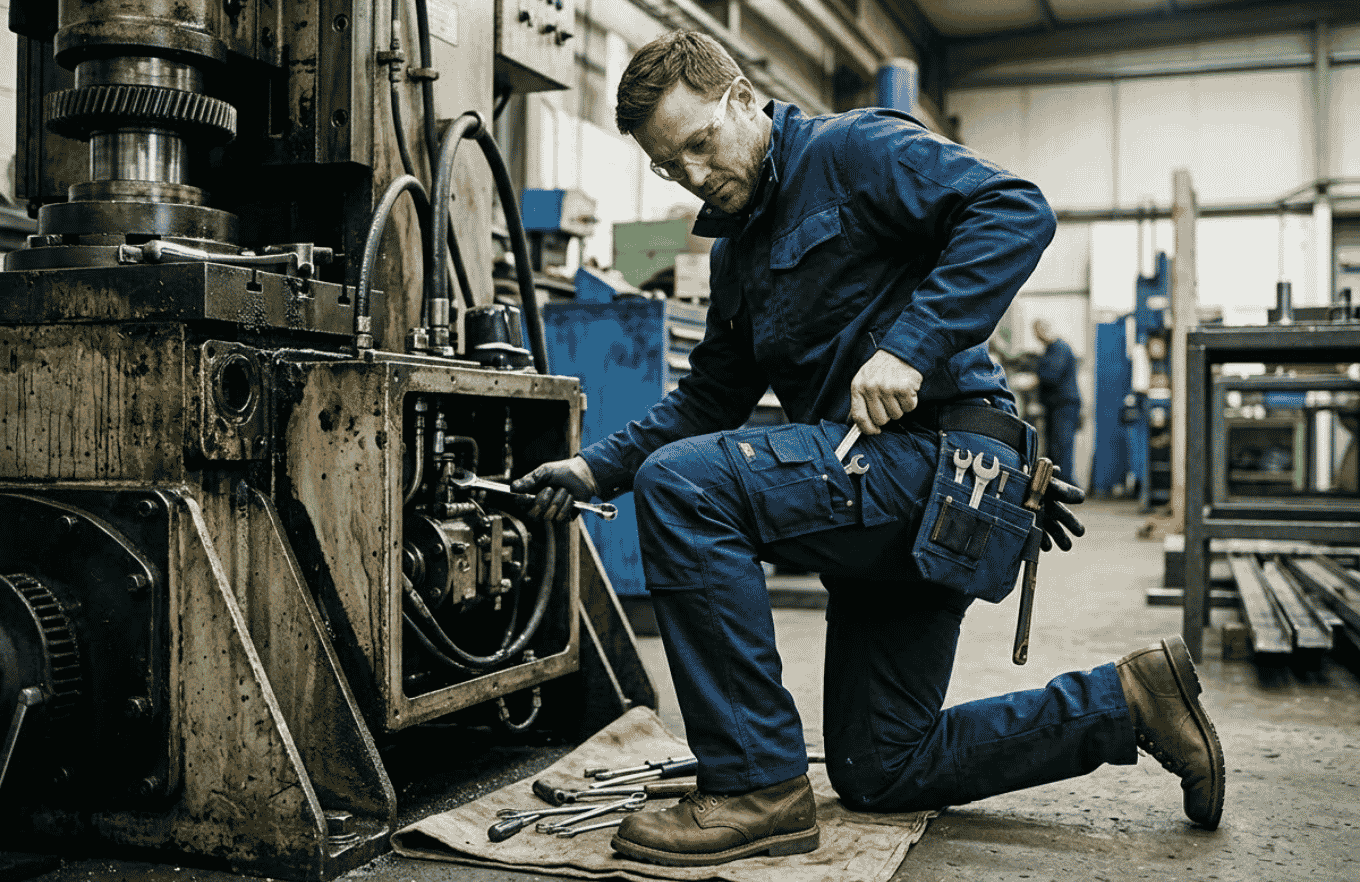
Workers need garments that allow them to bend, stretch, walk, climb, and perform tasks without unnecessary restrictions. Poor fit, excessive weight, or unsuitable materials can reduce comfort during long working hours.
Important comfort factors include:
● Ergonomic garment design
● Suitable fabric weight
● Breathable materials
● Correct sizing
● Flexible construction
However, comfort should always be considered alongside durability and the requirements of the workplace.
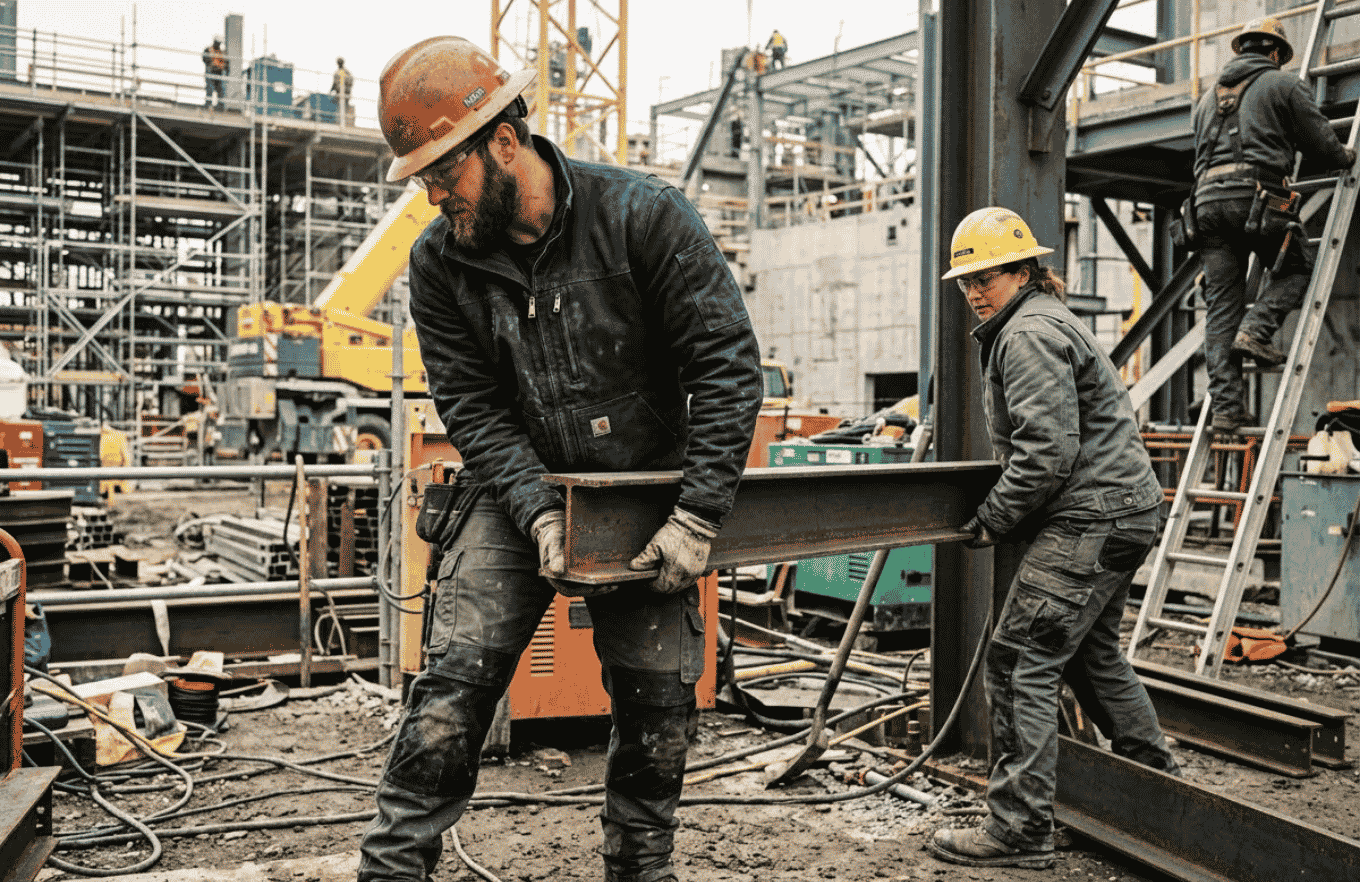
Industrial workwear is exposed to repeated movement, friction, tools, equipment, dirt, and regular laundering. Weak seams or unsuitable materials can lead to premature damage and increased replacement costs.
A capable workwear manufacturer considers high-stress areas during garment development. Reinforced stitching, durable fabrics, secure closures, and suitable seam construction can help garments withstand demanding daily use.
Before sourcing workwear, buyers should define how employees will use the clothing throughout the day. Different roles may require different features according to the tasks, climate, hazards, and target market.
For example:
● Maintenance workers may need practical tool storage.
● Construction workers may require reinforced areas.
● Technicians may benefit from secure pockets and attachment points.
Useful workwear features can include:
● Utility pockets
● Tool loops
● Adjustable cuffs
● Reinforced stress areas
● Ergonomic fits
● Secure closures
A task-based approach helps buyers select garments that provide practical value rather than focusing only on appearance.
Material selection directly affects comfort, durability, and garment lifespan. Heavy-duty fabrics may provide additional strength, but they should also match the working environment and level of activity.
Businesses should consider:
● Workplace conditions
● Climate
● Movement requirements
● Washing frequency
● Expected service life
Different applications require different fabric solutions. A knowledgeable custom workwear manufacturer can help buyers define suitable materials according to workplace needs, laundering conditions, and approved garment specifications.
Durability does not depend on fabric alone. Construction quality also plays an important role in garment performance.
Buyers should review:
● Seam construction
● Stitching quality
● Pocket reinforcement
● Closure strength
● Reinforcement at high-stress areas
Areas such as pockets, cuffs, seams, and crotch sections experience repeated pressure during daily work. Reinforced construction can help improve reliability and reduce premature wear.
Before placing bulk or private-label orders, buyers should consider:
● Workplace tasks and conditions
● Fabric composition and performance
● Garment construction
● Fit and sizing consistency
● Functional features
● Care and maintenance requirements
● Customization options
● Sample approval
● Production and quality consistency
Samad Workwear develops industrial clothing for international importers, workwear brands, distributors, and wholesalers, with a focus on comfort, functionality, durability, customization, and consistent bulk production.
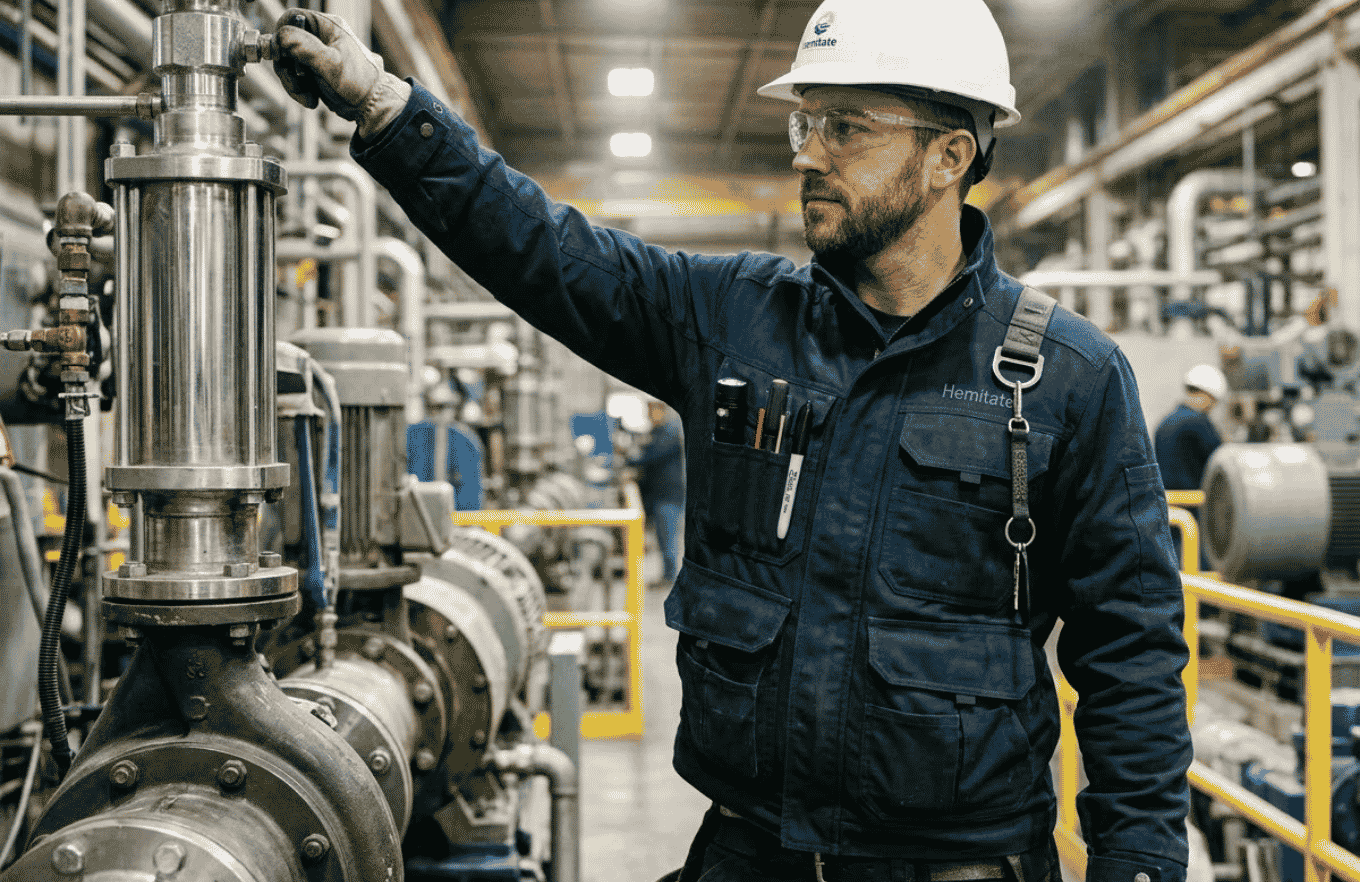
The Hemitate Jacket is designed for workers who require practical outerwear with functional storage and durable construction.
The jacket includes:
● Multi-tool utility pockets
● Front D-ring attachment point
● Ergonomic work fit
● Reinforced stitching at stress areas
● Adjustable cuffs
These features support daily workplace tasks by providing practical storage, improved mobility, and reliable garment performance during regular industrial use.
The Sandstone Shorts provide a lightweight workwear option for suitable environments where workers require mobility, comfort, and practical storage.
The design includes:
● Multiple pockets
● Ergonomic fit
● Reinforced crotch seam
● Practical construction
The reinforced crotch seam supports durability in an area exposed to repeated movement during bending, walking, and other workplace activities.
Where protective clothing is specified, EN ISO 13688 provides general requirements covering ergonomics, innocuousness, size designation, ageing, compatibility, marking, and manufacturer information. It is intended for use with standards addressing the required hazard-specific protection. Any compliance claim should be supported by appropriate product documentation for the target market.
Industrial workwear is used across many sectors where employees require durable and functional clothing, including:
● Construction
● Manufacturing
● Engineering
● Maintenance
● Warehousing
● Transportation
● Utilities
● Fabrication
The correct garment specification should always reflect actual working conditions rather than assuming one solution is suitable for every workplace.
Selecting the right workwear manufacturer requires evaluating garment quality, development capability, production consistency, customization options, technical support, and export experience.
We support international buyers with industrial clothing solutions developed around:
● Functional design
● Material selection
● Reinforced construction
● Sampling
● Customization
● Bulk production
As a custom workwear manufacturer, we help buyers develop garments aligned with workforce needs, brand requirements, approved specifications, and bulk export programs.
Choosing an industrial workwear manufacturer for global sourcing requires evaluation of fabric quality, fit, construction, functionality, quality controls, customization, and export capability.
An experienced manufacturing partner can help importers, brands, distributors, and wholesalers establish clear specifications and achieve consistent results across bulk orders.
Samad Workwear provides practical workwear solutions designed around durability, mobility, customization, private labeling, and international sourcing requirements.
Contact Samad Workwear to discuss customized workwear, private-label manufacturing, product sampling, technical specifications, and bulk export requirements.
Buyers should consider product experience, material durability, comfort, fit, construction quality, sizing consistency, customization, quality controls, production capacity, documentation, and export capability.
Ergonomic design supports natural movement by improving garment fit, mobility, and comfort during daily workplace activities.
Reinforced seams strengthen areas exposed to repeated stress and movement, helping garments withstand demanding industrial use.