
.webp)
.webp)
.webp)


Explore how a welding PPE supplier supports safer industrial welding through proper protection, durable garments, hazard awareness, and workplace safety practices.
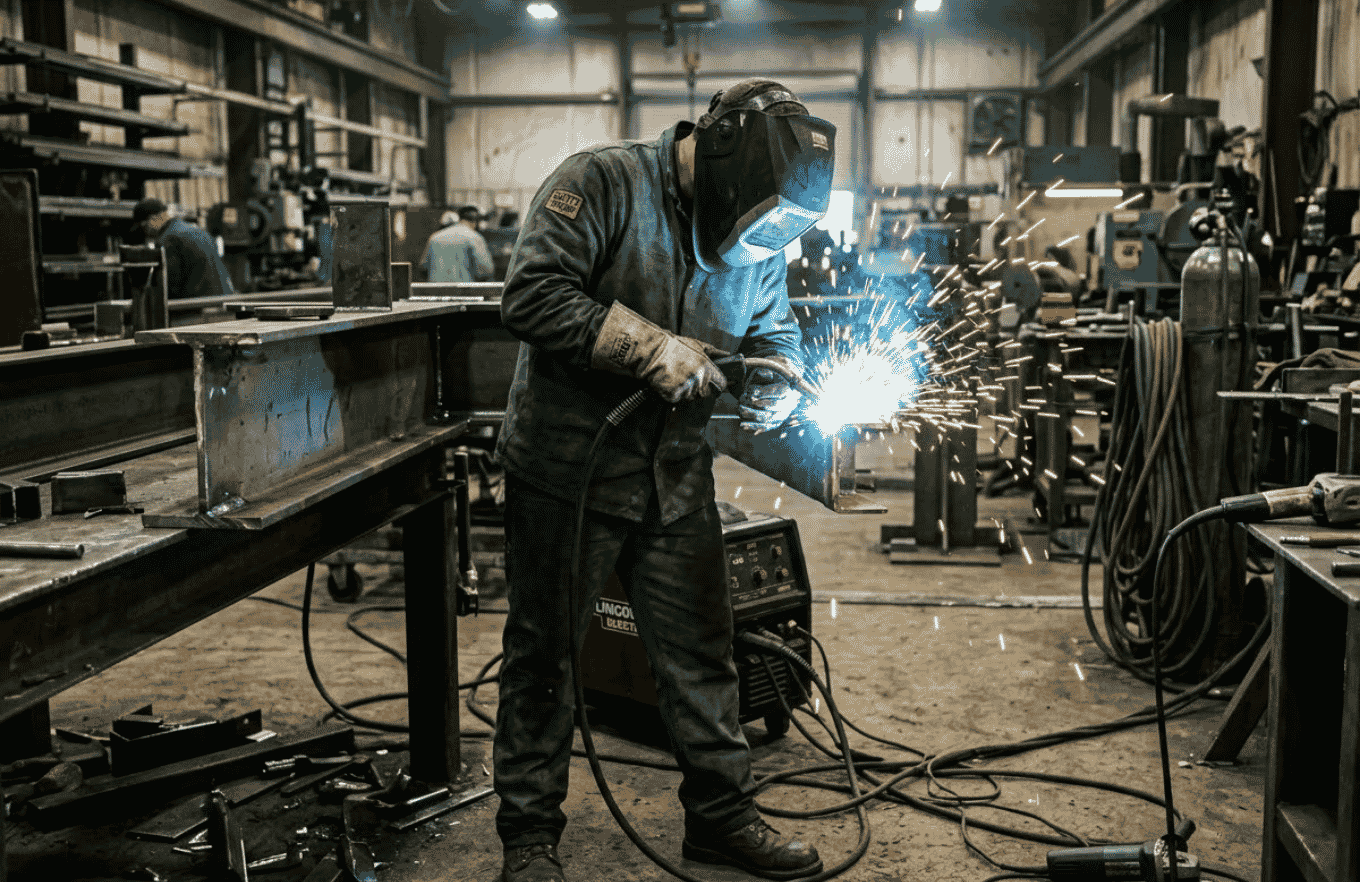
Welding environments expose workers to intense heat, ultraviolet radiation, sparks, molten materials, and sharp workplace hazards. Therefore, selecting an authentic Welding PPE Supplier is not simply a purchasing decision; it is a critical component of an industrial safety program. The right supplier helps procurement teams identify suitable protective garments, verify material specifications, and maintain consistent quality across the workforce.
For industrial buyers, the goal is to balance protection, functionality, durability, and fit rather than selecting garments based on appearance or price alone. This guide examines what procurement and safety professionals should evaluate when sourcing welding PPE.
Welding produces multiple simultaneous hazards. The welding arc generates intense ultraviolet and infrared radiation, while sparks and hot metal create burn risks. Grinding and fabrication activities introduce additional exposure to particles, abrasion, and sharp edges.
Protective clothing provides a physical barrier, but different welding tasks create different exposure levels. No single garment fits every operation. Procurement teams should evaluate the actual working environment, including welding duration, process, materials handled, workplace temperature, movement requirements, and proximity to heat sources, before purchasing.
A common procurement mistake is treating all welding garments as interchangeable. A worker doing occasional light fabrication has different requirements than an employee doing continuous heavy welding around hot metal.
Garment fabric, construction, coverage, closures, and applicable performance requirements should be evaluated according to intended use. Protection should never be selected simply because a garment appears heavy-duty. A qualified industrial protective clothing manufacturer can help translate workplace hazards into suitable garment specifications.
A dependable Welding PPE Supplier contributes to workplace safety by helping companies select garments designed around specific operational needs. Proper protective clothing covers vulnerable areas while allowing sufficient movement for welding, cutting, fabrication, and material-handling tasks.
Garment construction is particularly important. Secure closures reduce exposed areas, while appropriate sleeve and body coverage protects during active welding. Reinforced seams and durable fabrics help garments withstand demanding industrial use.
Protective clothing should allow workers to bend, reach, kneel, and handle equipment without unnecessary restriction. Ergonomic design improves practical usability while reducing the temptation to modify or improperly wear garments.
Breathable materials, suitable garment weight, functional closures, and appropriate sizing make protective equipment easier to wear throughout a working shift. A safety garment manufacturer should validate fit through structured wearer trials before bulk production begins.
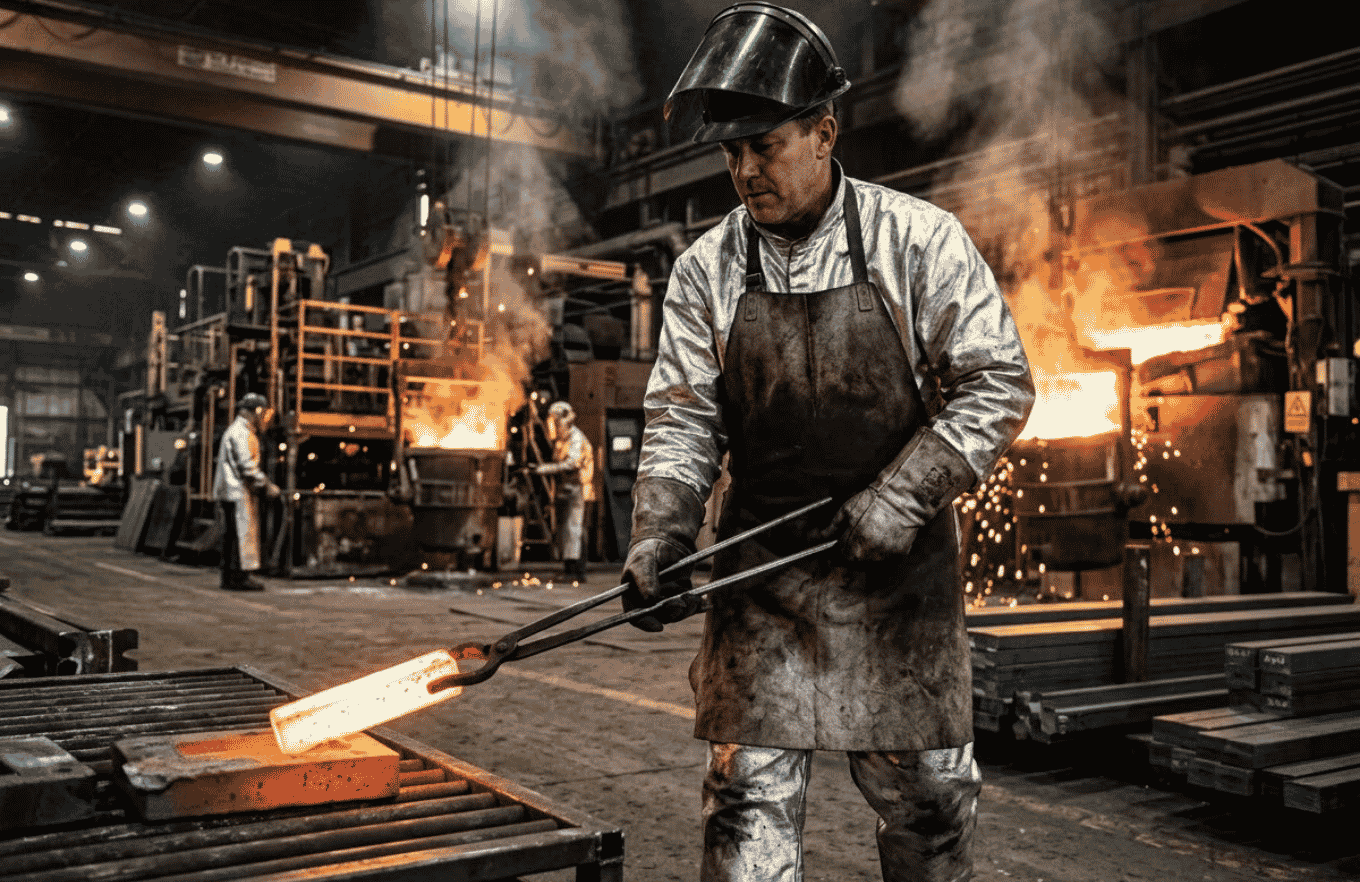
Welding and metal fabrication often involve contact with hot metal, sparks, and molten particles. In such environments, Molten Metal Protective Clothing must be selected according to specific hazards and applicable requirements, not treated as general-purpose workwear.
Coverage is critical because exposed areas become vulnerable during welding activities. Garments should provide appropriate protection around the torso, arms, and other areas depending on the task. Construction also matters; loose clothing creates additional concerns around equipment, while poorly designed closures may allow sparks or hot particles to reach underlying clothing.
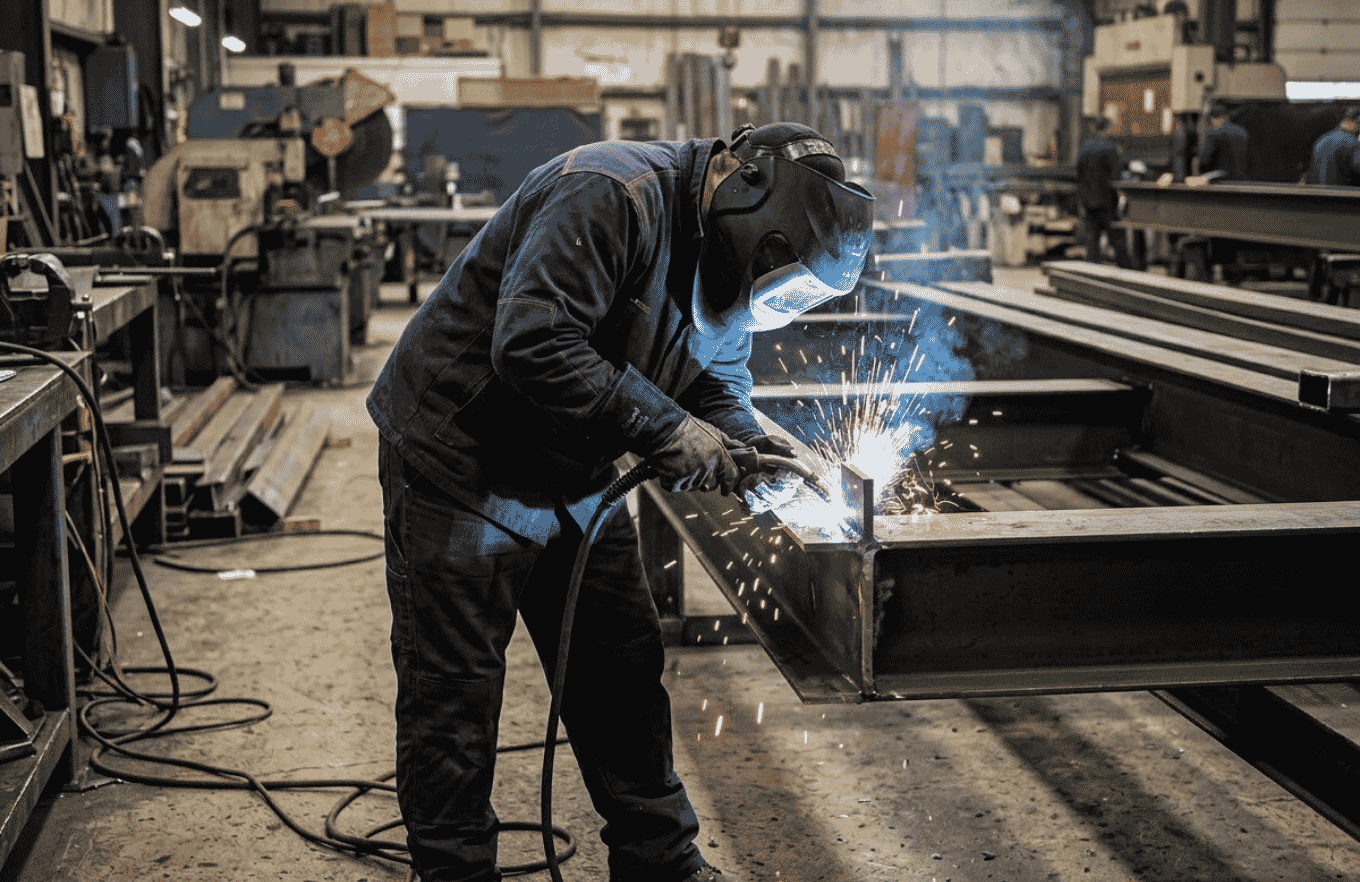
Protective performance depends on the complete garment, not simply the fabric name. Material composition, weight, stitching, seams, closures, and garment design all contribute to how clothing performs in practical conditions.
Procurement teams should request relevant technical documentation and confirm that the finished garment is suitable for its intended application. This is particularly important when employees face repeated exposure to heat, sparks, or molten substances. A reputable protective apparel factory maintains controlled production processes to ensure consistency across batches.
Welding PPE is widely used across industries where fabrication, joining, repair, and metal processing are routine activities. These environments expose employees to heat, sparks, radiation, sharp materials, and hot surfaces.
Construction and structural fabrication teams use protective clothing while assembling steel components. Automotive manufacturing facilities require welding protection during vehicle production and repair. Shipbuilding, heavy engineering, metal fabrication, maintenance, and oil and gas operations also require specialized welding garments.
For these industries, protective apparel must withstand repeated use without restricting movement. Consistent garment quality is especially important when large teams perform similar tasks under demanding conditions.
Selecting the right supplier involves more than comparing garment prices. Procurement teams should assess whether a supplier understands industrial applications and can provide consistent products at the required scale.
A dependable Welding PPE Supplier should discuss material selection, garment construction, intended applications, sizing, customization, and relevant documentation. This allows procurement decisions based on actual workplace requirements rather than general claims.
Before placing a large order, consider these practical questions:
● Is the garment designed for the intended welding application?
● What materials and construction methods are used?
● What testing or compliance documentation supports the product?
● Can the supplier maintain consistent quality across bulk production?
● Are different sizes and customized specifications available?
● What care instructions support garment longevity?
These questions help organizations avoid purchasing protective clothing that appears suitable but does not align with operational needs.
For businesses seeking dependable protective apparel, Samad Workwear focuses on practical garment development for demanding professional environments. The approach combines material selection, functional construction, comfort, durability, and production consistency to support different industrial requirements.
Working with an experienced PPE garment manufacturer simplifies developing workwear for specific applications. Instead of relying on generic garments, companies can consider requirements such as fit, branding, fabric characteristics, reinforcement, and intended working conditions.
This is particularly valuable for businesses managing large workforces where consistency across garments directly influences procurement efficiency and employee acceptance.
Durability should be considered alongside protective performance. Industrial welding garments experience repeated exposure to sparks, heat, abrasion, dirt, and frequent laundering.
A durable garment provides better value when it remains functional through regular industrial use. However, durability should never justify continuing to use damaged protective clothing. Garments should be inspected regularly and removed from service when deterioration affects protective function.
Following manufacturer care instructions preserves fabric performance, stitching, closures, and overall garment condition.
Protective clothing works best as part of a broader workplace safety strategy. Employers should combine suitable PPE with hazard assessments, employee training, equipment safeguards, safe operating procedures, and regular PPE inspections.
Workers should understand how to correctly wear, maintain, inspect, and replace protective garments. Even high-quality PPE cannot provide intended benefit if incorrectly fitted, damaged, modified, or improperly maintained.
A reliable Welding PPE Supplier supports this process by providing suitable garment options and technical information that helps businesses make informed procurement decisions.
All in all, safer welding operations depend on more than simply providing employees with protective clothing. Businesses must select garments that correspond to actual hazards, provide suitable coverage, support movement, and remain durable under demanding industrial conditions.
From fabrication and construction to automotive manufacturing, shipbuilding, maintenance, and heavy engineering, specialized welding protection plays an important role in reducing occupational exposure.
By working with an experienced supplier such as Samad Workwear, organizations can approach protective workwear procurement with greater attention to garment design, manufacturing consistency, customization, and practical workplace requirements.
Contact Samad Workwear today to discuss professionally manufactured welding workwear tailored to your industry's protection, comfort, durability, and operational requirements.
Businesses should evaluate material quality, garment construction, applicable protection requirements, sizing, comfort, documentation, customization options, and consistent bulk-production capabilities.
It may be appropriate for workplaces where employees face exposure to molten metal, hot particles, sparks, or related thermal hazards, subject to a proper risk assessment.
Consistent manufacturing ensures reliable stitching, closures, sizing, fabric construction, and finishing, supporting dependable garment performance across repeated industrial use.