
.webp)
.webp)
.webp)


Industrial Workwear Supplier guidance on ISO standards ensures safe, durable protective gear for high-risk industrial operations.
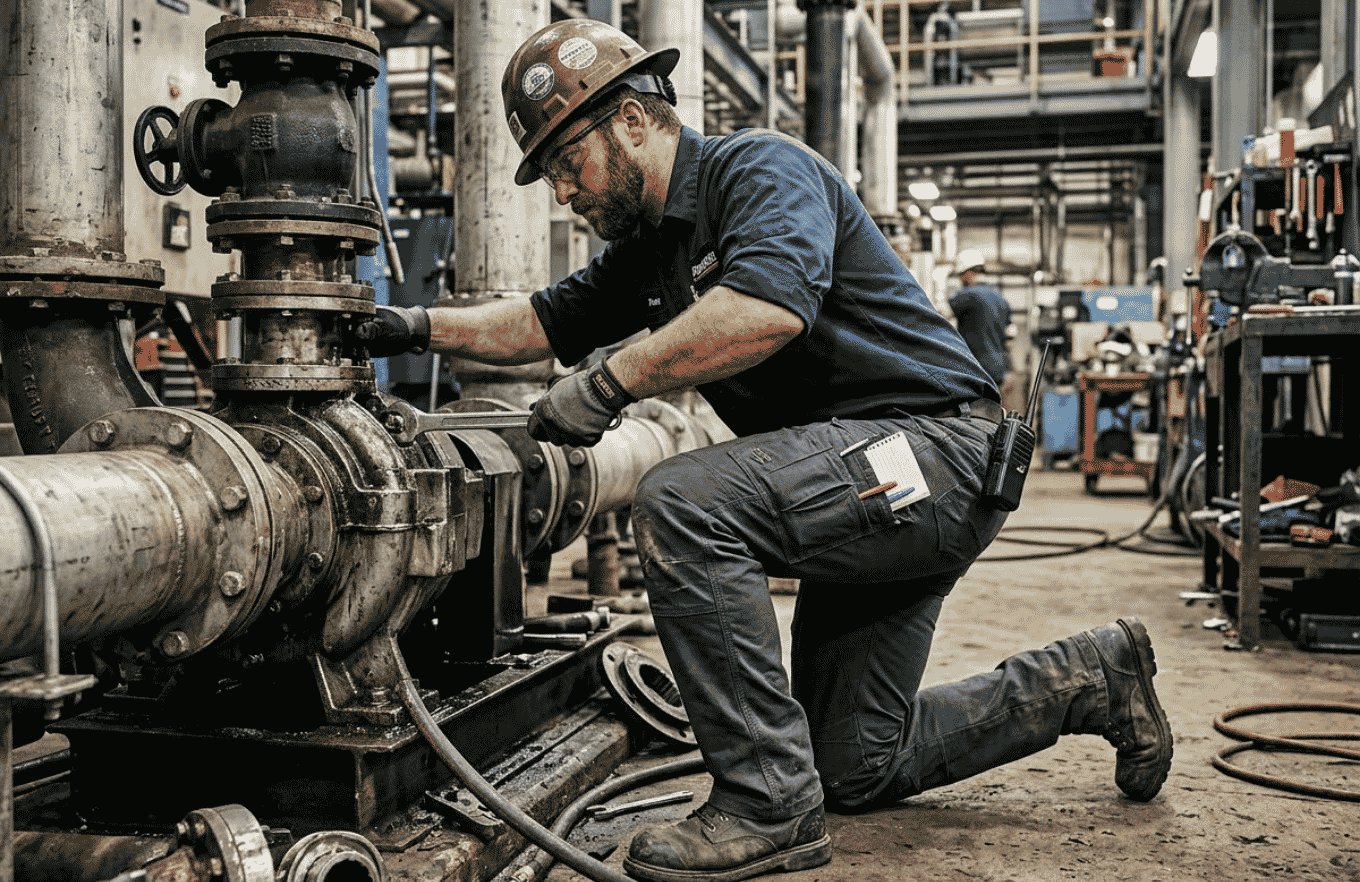
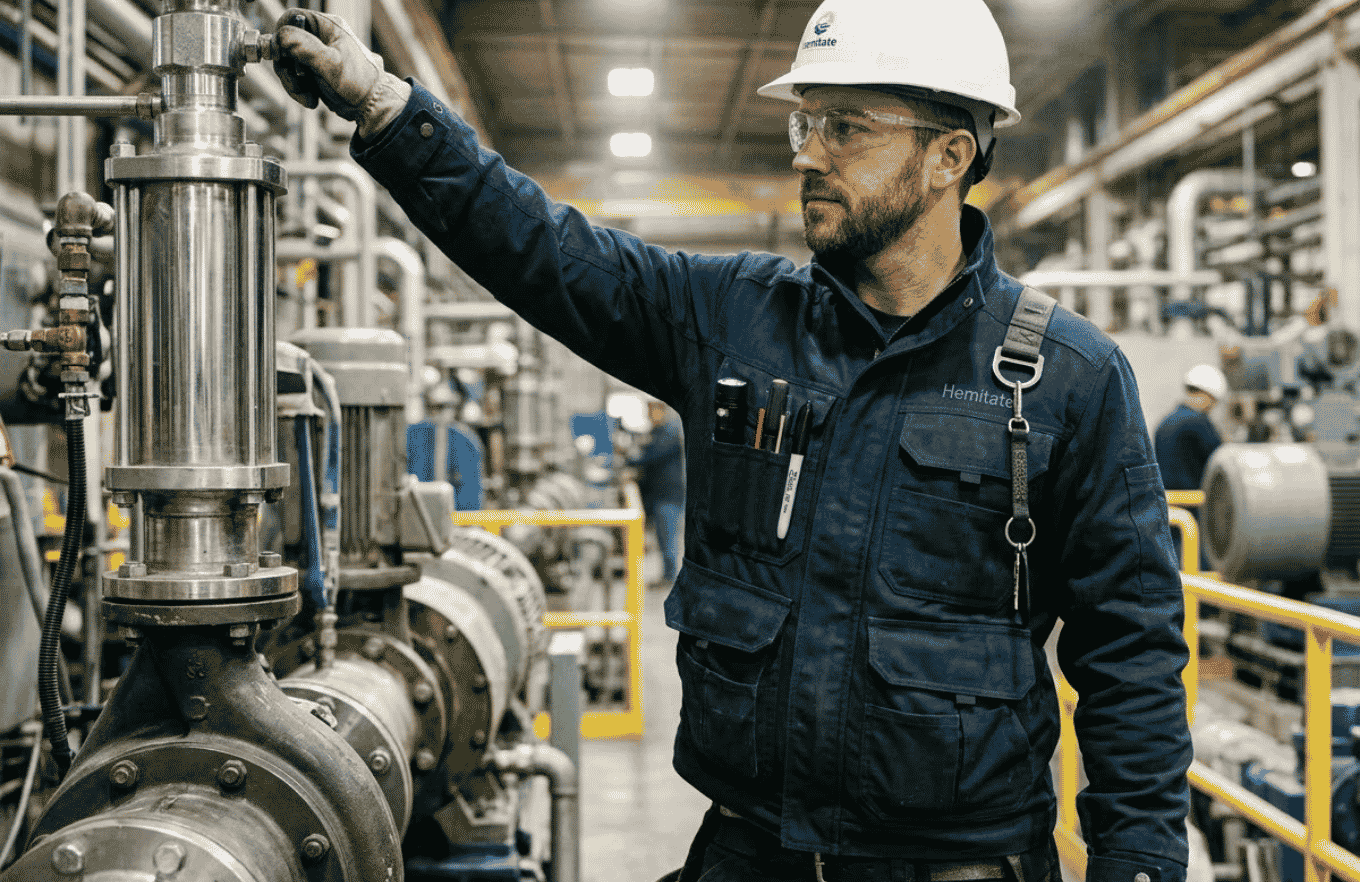
Industrial workwear suppliers play a critical role in ensuring workplace safety, compliance, and durability. As an Industrial Workwear Supplier, understanding and adhering to ISO standards is essential for producing garments that protect workers from hazards. Whether it’s high-visibility workwear in Pakistan, welding gear, or extreme environment uniforms, these standards provide a benchmark for safety and quality.
Samad Outerwear, a leading name in industrial workwear manufacturing, emphasizes that certification alone is not enough. Garments must be designed, tested, and manufactured to meet both operational needs and regulatory requirements. By following ISO standards, companies can guarantee protective gear that withstands harsh industrial conditions while enhancing worker comfort and confidence.
ISO standards are globally recognized benchmarks for quality, safety, and performance. For industrial workwear, the most relevant standards include:
ISO 11611 specifies the requirements for garments used in welding and related processes. Key points include:
● Protection against sparks, molten metal splashes, and flame exposure.
● Class 1 for low-risk tasks, Class 2 for higher-risk welding operations.
● Reinforced areas in garments to prevent abrasion and extend durability.
Samad Outerwear produces a range of welding and metal industry workwear, including textile, leather, hybrid, and polymer-based garments, all compliant with ISO 11611. This ensures industrial workers are shielded from fire hazards and mechanical risks while remaining comfortable during long shifts.
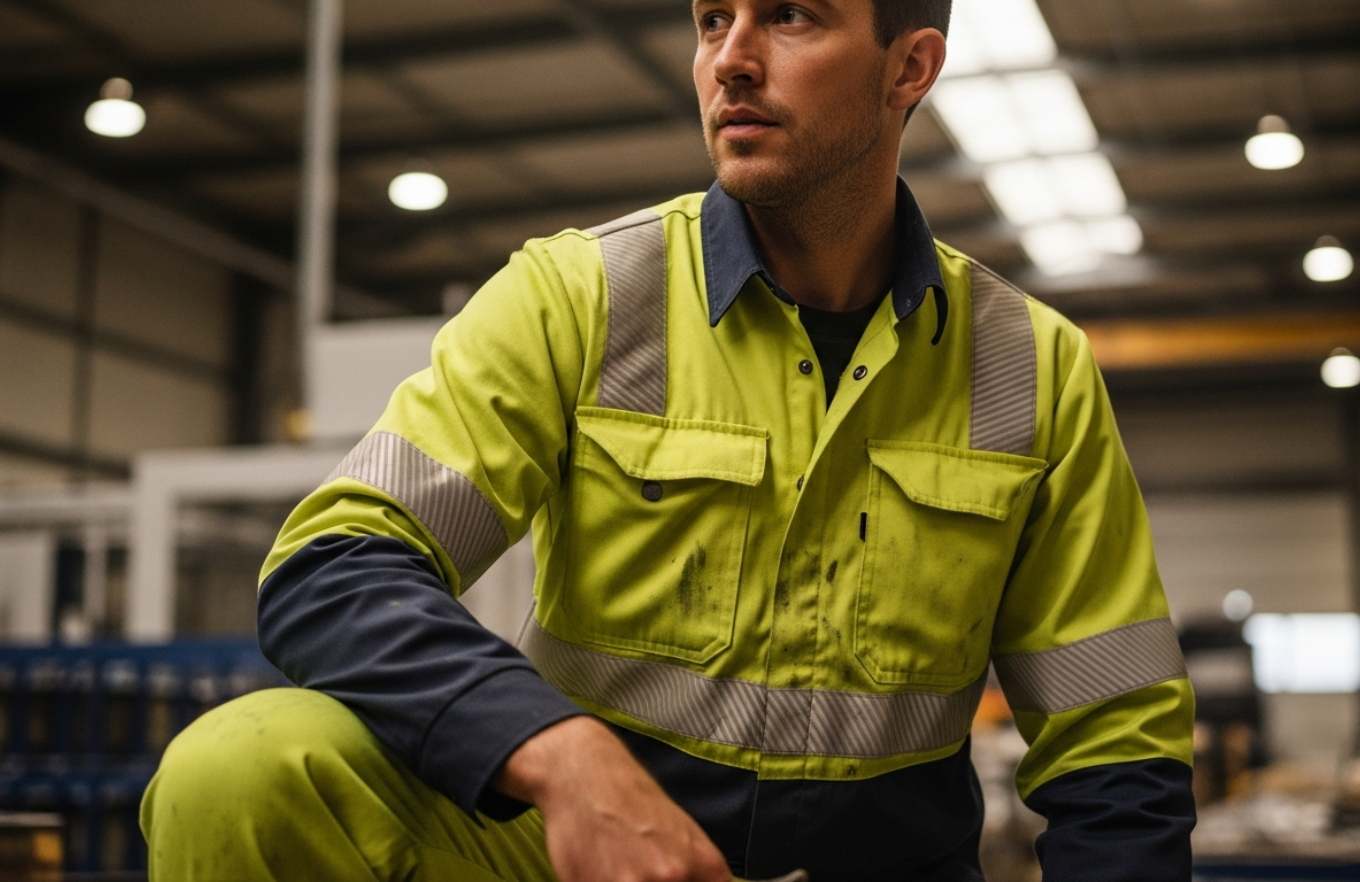
High-visibility garments are critical for workers exposed to moving machinery or night operations. ISO 20471 defines the requirements for reflective materials, brightness, and garment design. High-visibility workwear in Pakistan produced by Samad Outerwear meets these standards, ensuring workers remain visible in all conditions.
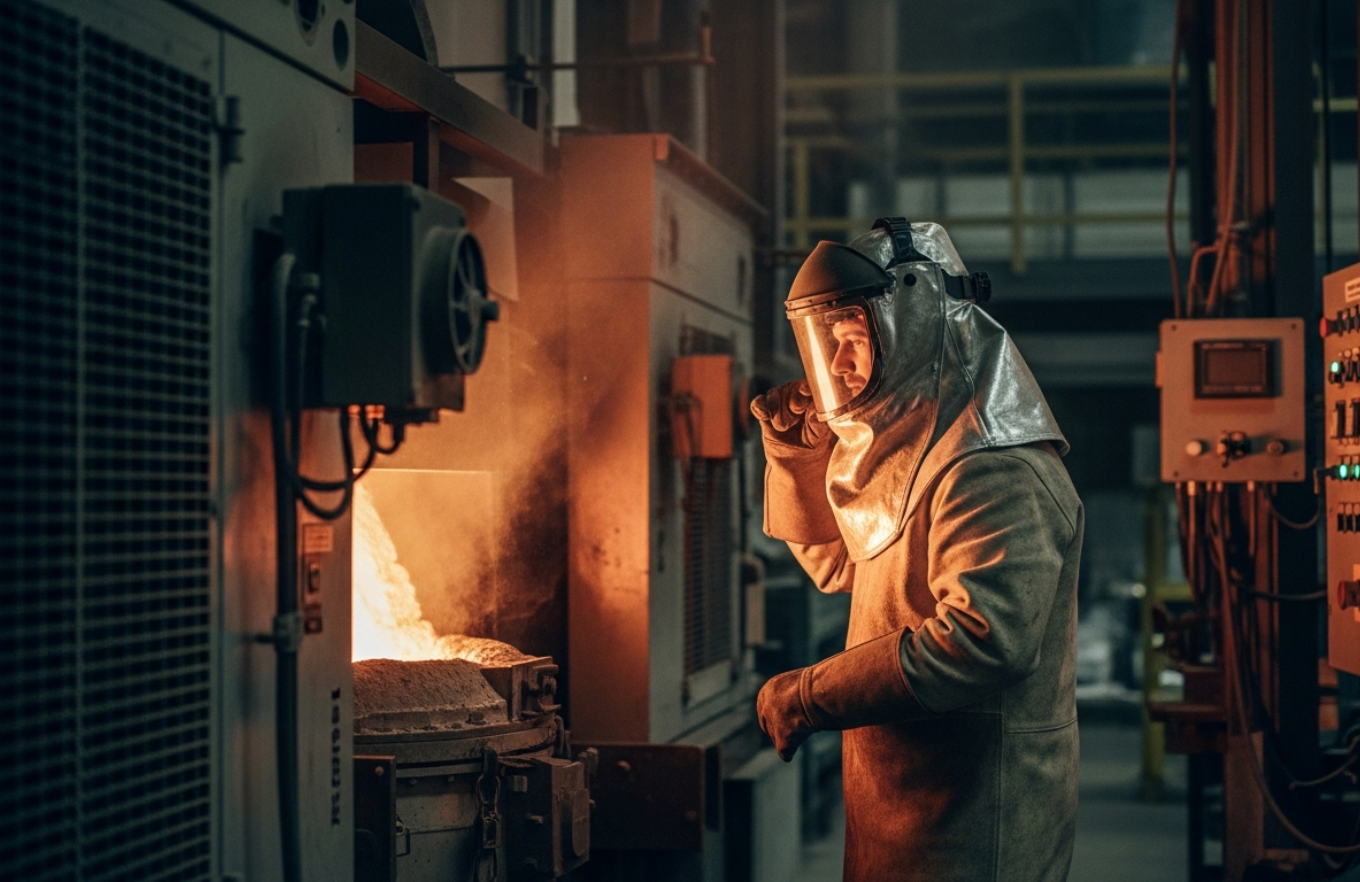
For extreme environments, ISO 11612-certified garments protect against:
● Heat radiation
● Molten metal splashes
● Open flames
These standards guide manufacturers in selecting heavy-duty woven fabrics, including 100% cotton FR-treated and inherent textiles with GSM 400+, ensuring durability, comfort, and flame resistance.
Samad Outerwear’s offerings are designed to meet ISO requirements while providing practical solutions for diverse industries. Their core categories include:
● Basic FR Workwear
● Inherent FR Workwear
● Arc Flash Workwear
● Chemical & Anti-Static Workwear
● Hi-Visibility FR Workwear
● Denim FR Workwear
These garments combine safety with comfort, addressing chemical, flame, and electrical hazards while supporting sustainable workwear manufacturing in Pakistan.
● Textile Welding Workwear
● Leather Welding Workwear
● Hybrid Fabric + Leather Workwear
● Polymer-Based Workwear
● Hi-Vis Workwear
Designed for abrasion resistance and high-risk environments, these garments follow ISO 11611 standards. Industrial workwear supplier expertise ensures proper reinforcement at elbows, shoulders, and knees, enhancing both safety and longevity.
● Cold Storage Workwear
● Heat-Resistant Workwear
● Aluminized Workwear
● Furnace & Foundry Workwear
● Snow Suits
These garments protect workers from temperature extremes and harsh industrial conditions. By integrating eco-friendly workwear production in Pakistan, Samad Outerwear ensures environmental responsibility alongside worker safety.
Selecting the right protective gear goes beyond certification. Industrial workwear suppliers recommend considering:
Fabric Quality: Choose woven, heavy-duty textiles with FR treatment or inherent flame resistance.
Reinforcement Areas: Critical stress points like knees, elbows, and shoulders should be reinforced.
Comfort and Ergonomics: Proper fit, breathability, and flexibility enhance long-term wearability.
High-Visibility Features: Reflective tapes and bright colors ensure visibility under all conditions.
Sustainability: Eco-friendly production practices and workwear made with recycled fabrics are increasingly important.
“Certification is a benchmark, but design, material, and construction determine real protection.” Samad Outerwear
Working with a professional supplier brings tangible benefits:
● Access to ISO-compliant, high-quality workwear for multiple industrial applications
● Expert advice on fabric selection and garment design
● Reduced workplace accidents through well-tested, durable protective gear
● Support for sustainable safety clothing for industries, reducing environmental impact
● Custom workwear uniforms tailored to the company and worker needs
Samad Outerwear combines ISO compliance with practical, user-friendly designs, reinforcing their position as a trusted industrial workwear supplier.
Even ISO-compliant garments require proper care to maintain performance:
● Wash according to manufacturer instructions to preserve flame-resistant properties.
● Inspect garments regularly for wear and tear, especially in high-stress areas.
● Replace reflective tapes and reinforcements when worn or damaged.
● Store garments in dry, ventilated areas to prevent fabric degradation.
Proper maintenance extends garment life, ensures ongoing protection, and supports the company’s commitment to sustainability.
Contact Samad Outerwear today to secure ISO-certified, durable, and eco-friendly workwear for your workforce. Request personalized guidance for your industrial safety needs.
Meeting ISO standards is essential for industrial safety, but real protection comes from thoughtful design, durable fabrics, and practical garment construction. By choosing an experienced industrial workwear supplier like Samad Outerwear, companies in Pakistan and beyond can ensure worker safety, comfort, and compliance. From welding and metalwork to extreme environments and high-visibility applications, ISO-compliant garments form the backbone of safe industrial operations.
Industrial workwear should meet ISO 11611 for welding, ISO 20471 for high-visibility, and ISO 11612 for heat and flame protection.
Yes, modern industrial garments can combine flame resistance, high-visibility, and chemical protection while meeting ISO benchmarks.
Eco-friendly practices reduce environmental impact, support sustainable supply chains, and ensure long-lasting, safe protective gear.