
.webp)
.webp)
.webp)


Discover essential quality control protocols every construction workwear exporter must follow to deliver durable, compliant, and safe protective garments.
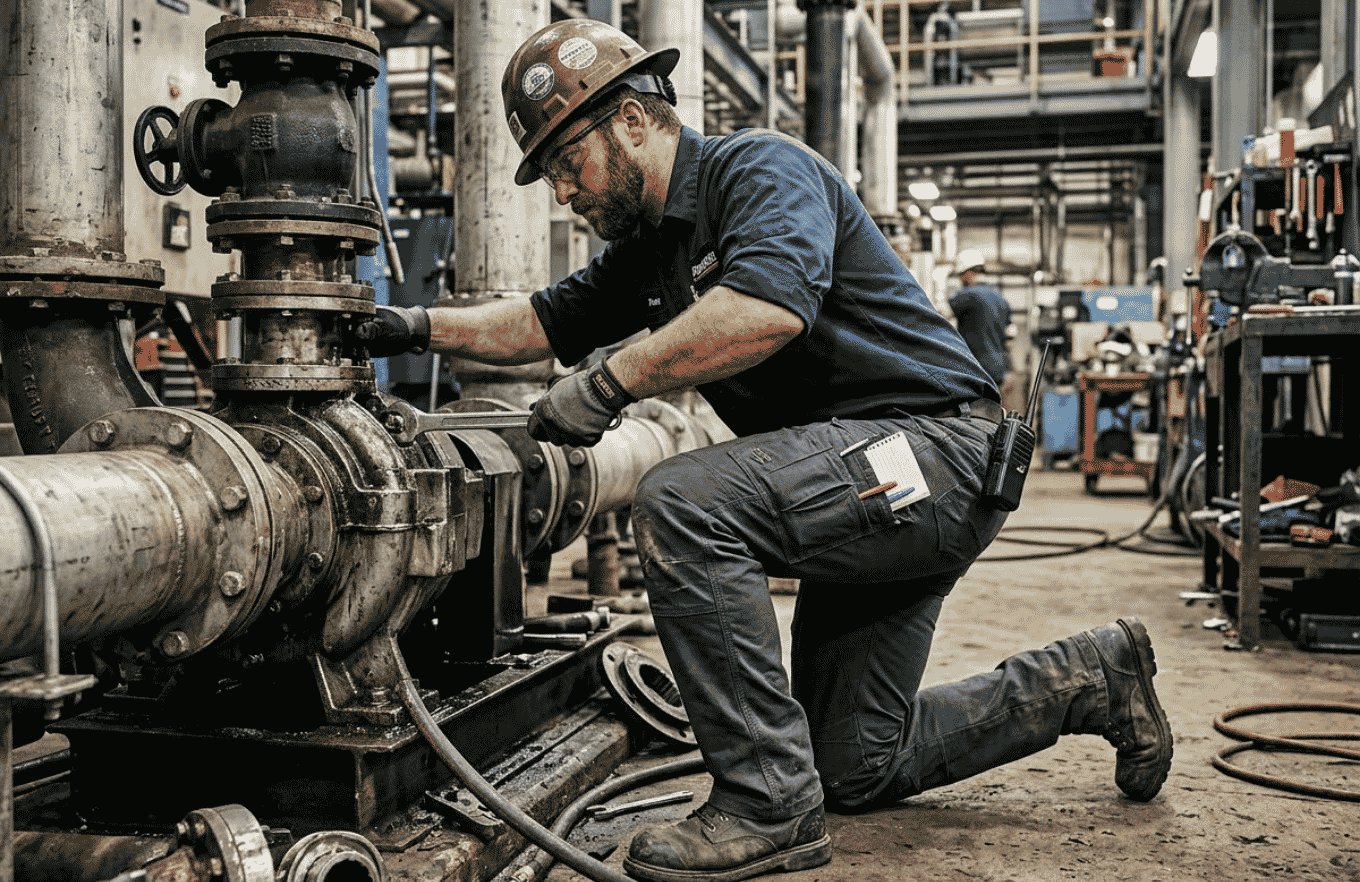
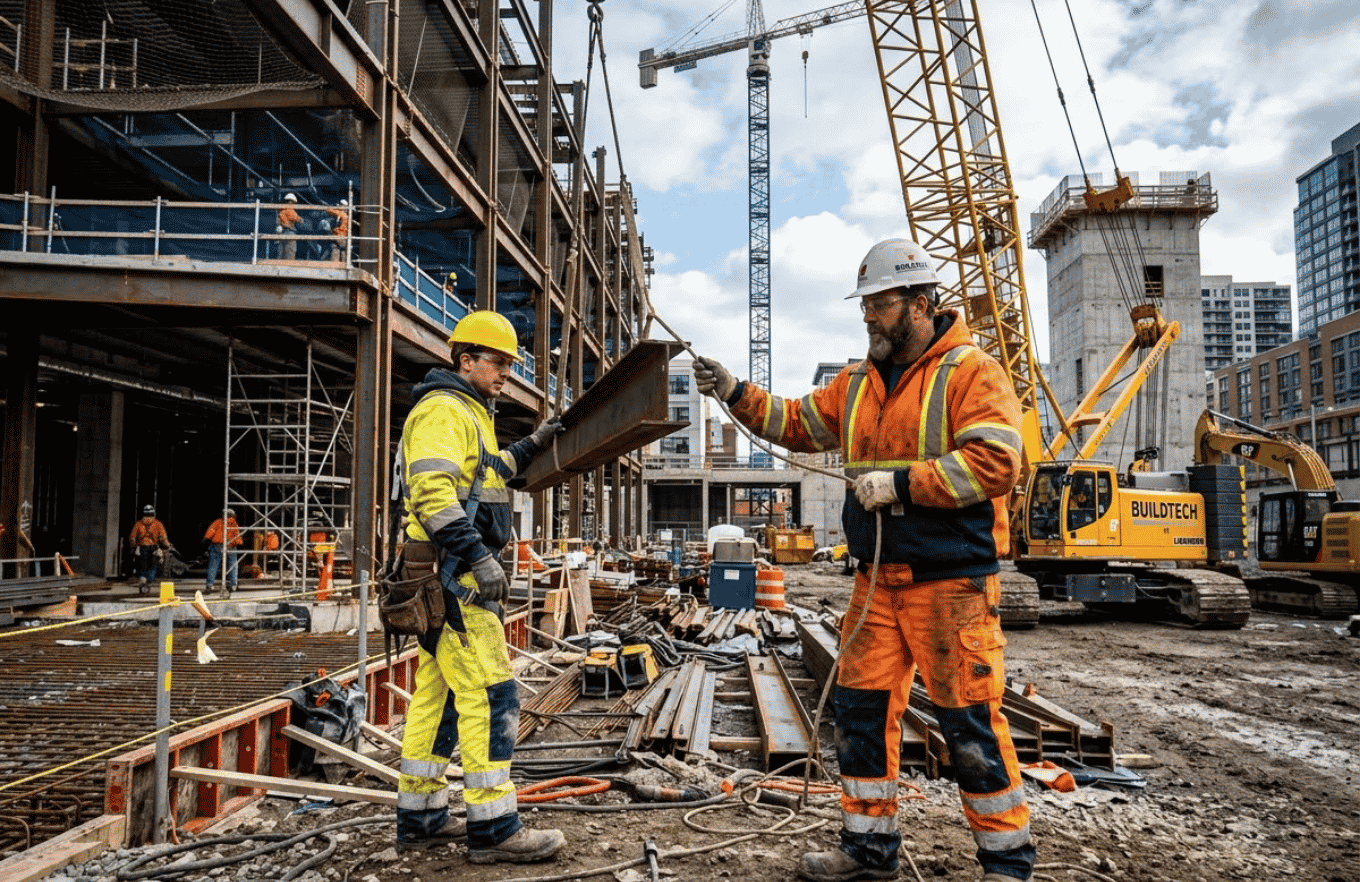
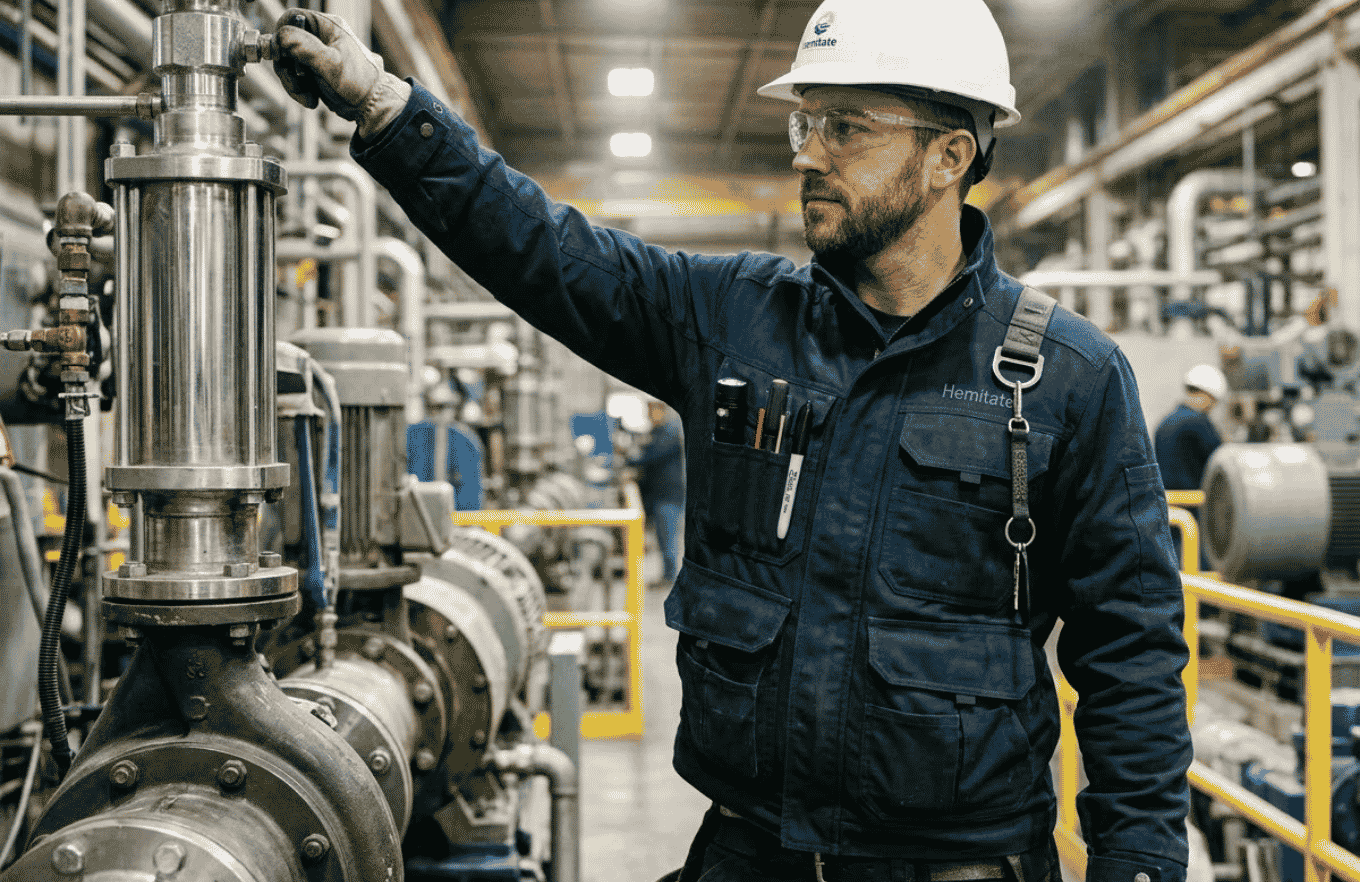
A professional construction workwear exporter must maintain strict quality control protocols to ensure that protective garments meet international safety expectations. Construction environments expose workers to weather, mechanical hazards, and demanding physical activity, making reliable workwear essential. Because of this, exporters are responsible for ensuring every garment undergoes comprehensive testing and inspection before reaching global markets.
Quality control systems do more than prevent defects. They ensure consistency in custom workwear uniforms, verify compliance with international protective clothing standards, and maintain the durability required for construction tasks. Companies involved in protective apparel production often operate as both exporters and PPE workwear manufacturers, combining safety expertise with manufacturing precision. Increasingly, exporters are also prioritizing eco-friendly industrial uniforms, ensuring that garments protect workers while supporting responsible and sustainable production practices.
Quality control plays a critical role in ensuring that protective garments perform reliably in challenging construction environments. A reputable construction workwear exporter cannot rely solely on manufacturing processes; systematic inspection and testing are required at every stage of production.
High-quality construction workwear must withstand environmental exposure, repeated washing, and demanding physical conditions. Without proper quality assurance, garments may fail prematurely or fail to meet safety requirements. Exporters that also operate as PPE workwear manufacturers typically implement layered quality checks to guarantee product integrity.
Effective quality systems typically address several areas:
• fabric strength and durability
• seam integrity and stitching performance
• compliance with safety standards
• consistency across production batches
When exporters maintain these controls, they ensure custom workwear uniforms perform reliably in construction projects around the world.
The first step in quality control begins before production starts. Fabric inspection ensures that the materials used in construction workwear meet durability and safety expectations.
A responsible construction workwear exporter carefully evaluates textile properties such as tensile strength, abrasion resistance, and color durability. Fabric testing is particularly important for protective outerwear that must withstand heavy usage.
Testing protocols often verify:
• resistance to tearing and abrasion
• fabric shrinkage and dimensional stability
• color fastness to washing and sunlight
• water resistance for outdoor workwear
Manufacturers who operate as PPE workwear manufacturers frequently conduct these tests in accordance with international standards such as ISO 13934 for tensile strength and ISO 12947 for abrasion resistance. These procedures ensure that garments maintain durability throughout their lifecycle.
At the same time, exporters developing eco-friendly industrial uniforms must confirm that sustainable fabrics meet the same performance criteria as conventional materials.

Once production begins, quality monitoring becomes a continuous process. A responsible construction workwear exporter supervises each manufacturing stage to maintain consistency and prevent defects.
Production monitoring typically involves inspections during:
• fabric cutting
• garment stitching
• assembly of components
• finishing and trimming
This stage is essential for exporters producing custom workwear uniforms, as tailored designs often involve specialized features such as reinforced panels or additional functional pockets.
Factories operating as a PPE workwear manufacturer often implement AQL (Acceptable Quality Limit) inspection systems, which help determine acceptable defect levels during production. This structured approach ensures every garment meets expected quality thresholds.
In addition, manufacturers producing eco-friendly industrial uniforms frequently monitor water usage, dye processes, and chemical treatments to ensure environmentally responsible manufacturing practices.
Construction workwear is exposed to heavy movement, stretching, and environmental stress. As a result, seam strength is one of the most important quality indicators.
A reliable construction workwear exporter evaluates stitching durability through laboratory testing and physical inspections. Reinforced seams help garments resist tearing and maintain shape during prolonged use.
Key tests used by a PPE workwear manufacturer may include:
• ISO 13935 seam strength testing
• stress testing for reinforced panels
• inspection of thread quality and stitch density
These measures ensure that custom workwear uniforms remain durable even under demanding worksite conditions.
Manufacturers producing eco-friendly industrial uniforms must also ensure that sustainable threads and fabrics maintain the same seam durability standards.
Global construction projects require workwear that complies with recognized safety standards. A responsible construction workwear exporter must ensure garments meet these regulations before exporting them.
Common international standards include:
• EN ISO 13688 for general protective clothing requirements
• EN ISO 20471 for high-visibility safety garments
• EN 343 for protective clothing against rain
• OEKO-TEX Standard 100 for textile safety and chemical control
Manufacturers operating as a PPE workwear manufacturer integrate these standards into their testing protocols to ensure protective garments perform as expected.
When exporters also focus on eco-friendly industrial uniforms, they may combine safety compliance with environmental certifications to support sustainable manufacturing practices.
Before shipment, every garment should undergo a final inspection to confirm it meets required standards. This stage ensures consistency across entire production batches.
Final inspection typically evaluates:
• garment measurements and sizing accuracy
• stitching alignment and finishing quality
• reflective elements and safety components
• packaging and labeling compliance
For exporters producing custom workwear uniforms, this stage confirms that all customization elements are correctly implemented.
Many exporters also perform random sampling inspections according to ISO 2859 sampling procedures to maintain consistent product quality.
A professional construction workwear exporter understands that final inspection is the last opportunity to prevent defective products from entering global markets.

Modern construction companies increasingly demand responsible manufacturing practices. Exporters are therefore integrating sustainability into their quality management systems.
A PPE workwear manufacturer focusing on sustainable production typically evaluates:
• environmentally responsible textile sourcing
• reduced chemical usage during dyeing processes
• recycling and waste management initiatives
• energy-efficient production systems
These practices support the development of eco-friendly industrial uniforms that protect both workers and the environment.
Manufacturers such as Samad Outerwear demonstrate how quality control and sustainability can coexist within modern workwear manufacturing systems.
Contact Samad Outerwear today to develop certified construction workwear that meets strict global quality standards.
Strict quality control protocols are essential for every construction workwear exporter operating in global markets. From raw material inspection to final product testing, exporters must ensure garments meet durability, safety, and compliance expectations.
By implementing structured inspection systems, adhering to international safety standards, and maintaining responsible production practices, exporters can deliver reliable custom workwear uniforms for construction professionals worldwide. Companies that operate as both exporters and PPE workwear manufacturers play a vital role in safeguarding workers while maintaining consistent product quality.
At the same time, the growing demand for eco-friendly industrial uniforms highlights the importance of combining safety performance with sustainable manufacturing practices. When these elements work together, exporters help construction companies maintain safe, efficient, and responsible operations.
A construction workwear exporter should conduct fabric testing, seam strength analysis, sizing verification, and safety compliance inspections before exporting workwear products.
A PPE workwear manufacturer performs abrasion resistance testing, seam strength analysis, and fabric durability tests to ensure garments withstand demanding construction environments.
Eco-friendly industrial uniforms reduce environmental impact while maintaining safety performance, helping construction companies meet sustainability and compliance goals.