
.webp)
.webp)
.webp)


A safety garments manufacturer ensures high-performance protection through advanced fabrics, certified processes, and eco-friendly workwear production in Pakistan.
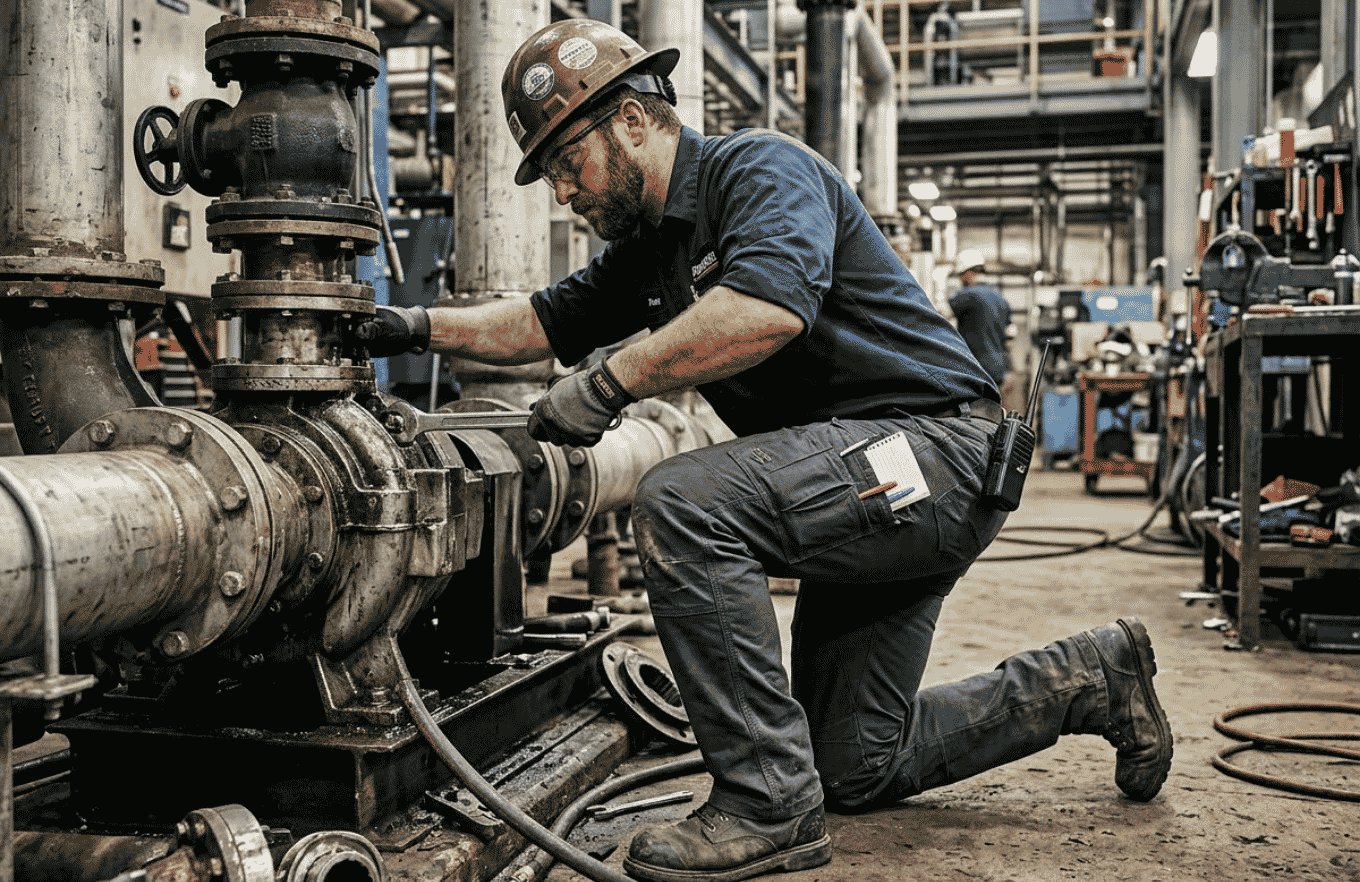
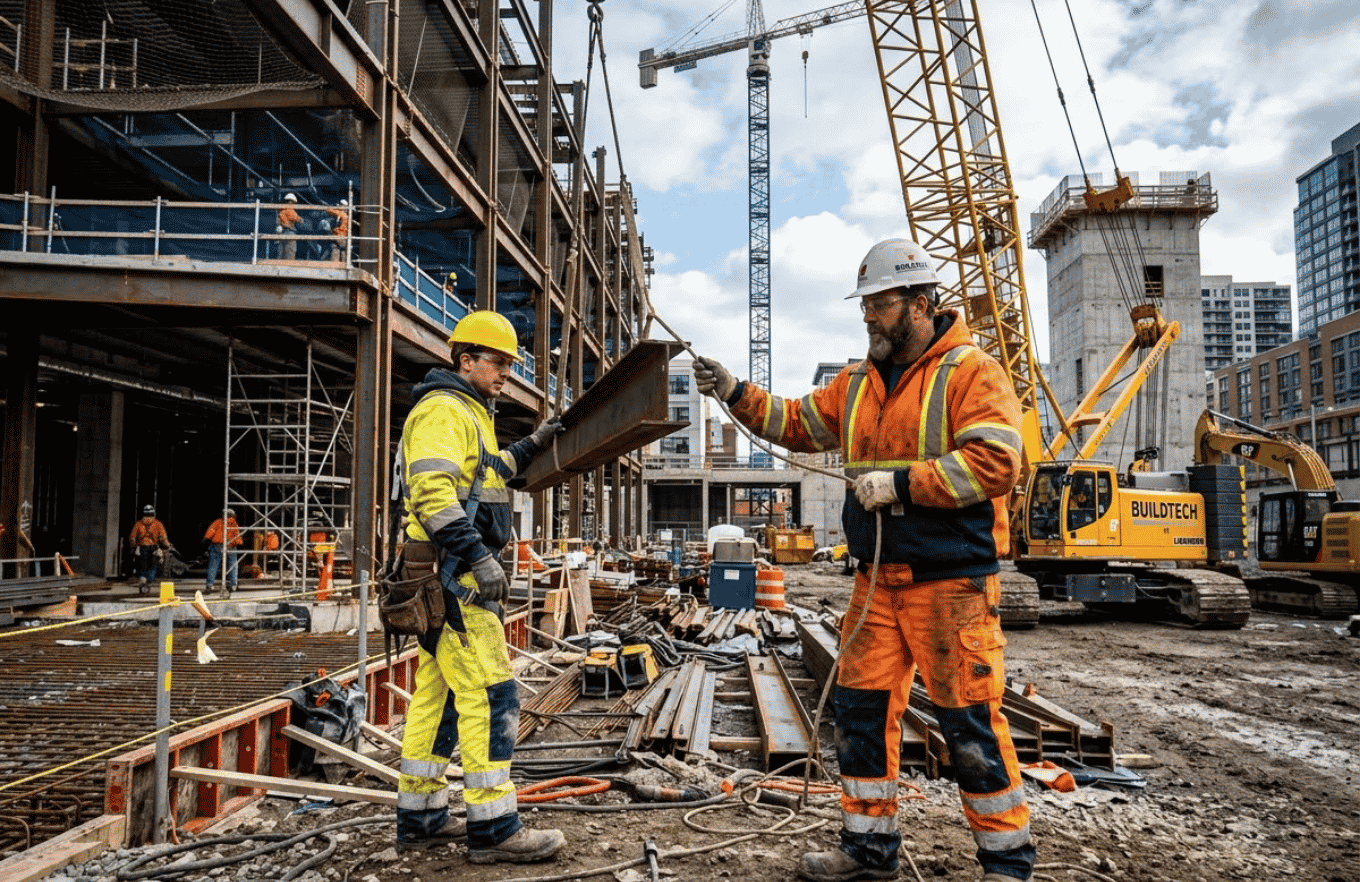
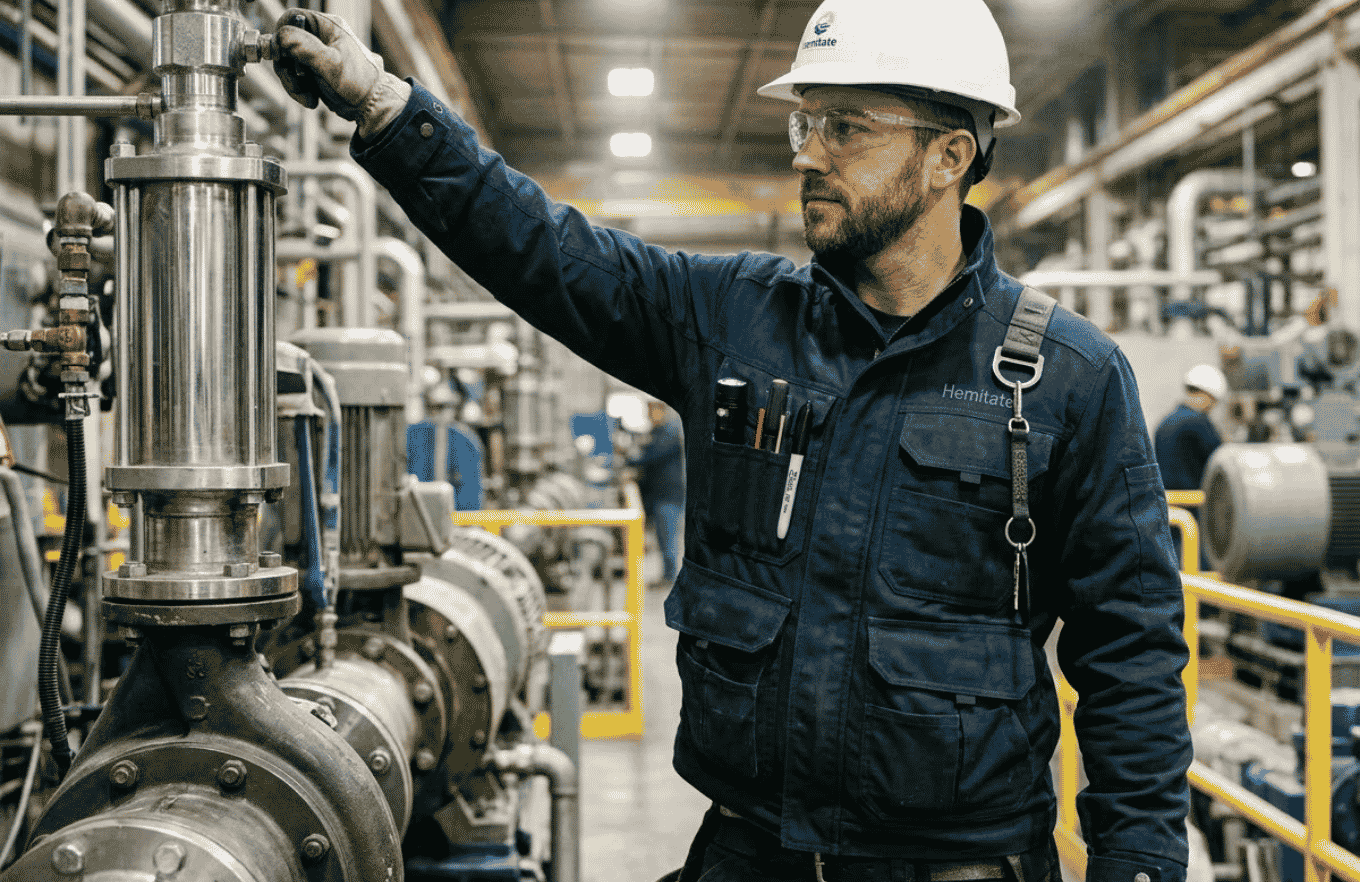
A professional safety garments manufacturer plays a critical role in ensuring worker safety across hazardous industries by producing protective clothing designed for durability and compliance. From initial fabric selection to final garment production, each stage requires precision, technical expertise, and strict adherence to safety standards. Industrial sectors such as welding, construction, cold storage, and heavy manufacturing depend on protective garments that can withstand extreme conditions while maintaining comfort and flexibility.
In today’s global market, organizations increasingly rely on manufacturers capable of delivering consistent quality and certified protection. A reliable safety garments manufacturer combines advanced textile engineering with efficient production systems to produce high-performance protective clothing. When working with a trusted workwear manufacturer in Pakistan, companies gain access to expertise in large-scale production, cost efficiency, and compliance with international safety standards.
The production process begins with careful fabric selection, which determines the overall performance of protective garments. A skilled safety garments manufacturer evaluates multiple factors before selecting materials, including resistance to heat, abrasion, chemicals, and environmental conditions.
Different industries require specific fabric properties. For example, welding operations demand flame-resistant materials, while cold storage environments require insulated fabrics that maintain thermal protection. A professional protective clothing manufacturer ensures that each material is tested for durability, flexibility, and safety compliance.
Key considerations during fabric selection include:
• Resistance to extreme temperatures and hazardous exposure
• Durability under heavy industrial use
• Comfort and breathability for long working hours
• Compatibility with safety standards and certifications
Manufacturers like Samad Workwear carefully select materials that meet these criteria, ensuring garments perform effectively in demanding industrial environments.

After fabric selection, the design phase focuses on creating garments that balance protection and functionality. A reliable safety garments manufacturer integrates ergonomic design features to improve mobility while maintaining safety performance.
Modern industrial garments are designed to support different operational needs. Denim workwear, for example, provides durability for general industrial use, while specialized garments are developed for welding and metal industries.
These categories include:
• Textile Welding Workwear designed for spark and heat resistance
• Leather Welding Workwear for enhanced protection against molten metal
• Hybrid Fabric and Leather Workwear combining flexibility with durability
• Polymer Base Workwear offering chemical resistance in industrial settings
A professional workwear manufacturer in Pakistan ensures that these garments are engineered for long-term use while maintaining safety compliance. Samad Workwear continues to develop advanced workwear solutions tailored to different industrial applications.
The manufacturing stage involves cutting, stitching, assembly, and finishing processes that transform raw materials into protective garments. A trusted safety garments manufacturer implements strict quality control systems throughout production to maintain consistency.
Efficient production processes ensure that garments meet both performance standards and delivery timelines. Modern manufacturing facilities integrate advanced machinery and skilled labor to produce high-quality protective clothing at scale.
A reliable protective clothing manufacturer also focuses on reducing waste and improving operational efficiency. This approach supports eco-friendly workwear production in Pakistan, allowing manufacturers to deliver sustainable products without compromising safety or quality.
Samad Workwear applies structured production methods that ensure consistency across all protective garment categories.

Industrial environments often expose workers to extreme temperatures and hazardous conditions. A professional safety garments manufacturer develops specialized garments designed to protect workers in these environments.
Extreme environment workwear includes:
• Cold Storage Workwear designed to provide thermal insulation in low-temperature environments
• Heat Resistant Workwear engineered to protect against high-temperature exposure
• Aluminized Workwear developed for radiant heat protection in industries such as metal processing
Aluminized garments are particularly important in high-temperature environments. These garments reflect radiant heat and protect workers from thermal hazards. A skilled protective clothing manufacturer ensures that aluminized garments are constructed using advanced materials that maintain durability under extreme conditions.
Manufacturers like Samad Workwear produce specialized protective garments that address the unique challenges of extreme industrial environments.
Safety standards play a crucial role in ensuring the effectiveness of protective garments. A reliable safety garments manufacturer designs products in accordance with industry-specific regulations that validate garment performance.
Important standards relevant to specialized workwear include:
• EN ISO 14116 – Specifies limited flame spread properties for protective clothing used in low-risk heat exposure environments
• EN 13034 – Defines requirements for protective clothing offering limited protection against liquid chemical exposure
• ASTM F1506 – Establishes performance specifications for flame-resistant garments used in electrical utility environments
• EN 342 – Covers protective clothing designed for cold environments, ensuring insulation and thermal performance
• ISO 11613 (Aluminized Clothing Reference) – Relates to protective clothing used in firefighting and high radiant heat conditions, guiding aluminized garment construction
By complying with these standards, a workwear manufacturer in Pakistan ensures that protective garments meet global safety expectations and provide reliable performance in hazardous environments.
Sustainability is becoming a key factor in industrial garment manufacturing. Companies increasingly prioritize suppliers who follow responsible production practices. Eco-friendly workwear production in Pakistan focuses on minimizing environmental impact while maintaining product quality.
A responsible safety garments manufacturer adopts sustainable practices such as reducing water usage, minimizing chemical treatments, and improving energy efficiency during production. These initiatives contribute to the development of durable protective garments that support long-term environmental goals.
A professional protective clothing manufacturer also ensures that garments are designed for extended use, reducing the need for frequent replacements. This approach supports sustainability while improving cost efficiency for industrial buyers.
Samad Workwear integrates responsible production methods into its operations, ensuring that protective garments align with modern sustainability expectations.
Contact Samad Workwear today to develop certified safety garments tailored to your industry needs, ensuring durability, compliance, and reliable protection for your workforce.
The journey from fabric selection to final production defines the quality and performance of industrial protective clothing. A professional safety garments manufacturer ensures that every stage of production is carefully managed to deliver garments that meet safety standards and industry requirements.
By combining advanced fabric technology, ergonomic design, and strict quality control processes, manufacturers provide protective clothing that enhances worker safety across various industries. The role of a trusted workwear manufacturer in Pakistan is especially important in delivering high-quality garments at scale while maintaining compliance with global regulations.
The integration of sustainable practices through eco-friendly workwear production in Pakistan further strengthens the industry by promoting responsible manufacturing. Companies like Samad Workwear demonstrate how innovation, safety, and sustainability can work together to produce protective garments that meet the evolving needs of modern industrial environments.
A safety garments manufacturer designs and produces protective clothing that meets safety standards and protects workers from industrial hazards such as heat, chemicals, and cold environments.
A workwear manufacturer in Pakistan ensures quality through strict material selection, advanced production processes, and compliance with international safety standards.
Eco-friendly workwear production in Pakistan reduces environmental impact while delivering durable protective garments that support sustainable industrial operations.