
.webp)
.webp)
.webp)


Explore here how a Protective Apparel Manufacturer is shaping smart textile innovation with advanced technologies that improve industrial safety, comfort, and performance.
Workplace safety has evolved far beyond heavy fabrics and traditional protective clothing. Modern industries now expect garments that not only protect workers from hazards but also improve comfort, mobility, durability, and operational efficiency. As technology continues advancing, protective apparel is becoming smarter, lighter, and more responsive to changing workplace conditions. Organizations are investing in innovative textile solutions that enhance worker performance while maintaining compliance with international safety standards.
A Protective Apparel Manufacturer now plays a significant role in developing next-generation smart textiles that combine advanced materials, ergonomic designs, and intelligent manufacturing processes. These innovations help industries improve workplace safety while preparing for future operational challenges.
In this article, we will explore how smart textile innovation is transforming industrial protective clothing, the industries benefiting from these advancements, and why experienced manufacturers remain essential for long-term workplace protection.
Smart textiles are engineered fabrics designed to provide more than basic protection. Unlike conventional workwear, these materials incorporate advanced fibers, specialized fabric treatments, improved construction methods, and performance-enhancing technologies that increase both safety and wearer comfort.
Modern protective garments can now offer improved breathability, moisture management, thermal regulation, abrasion resistance, flexibility, and durability without increasing garment weight. These improvements allow workers to remain protected while maintaining productivity throughout demanding work shifts.
As industrial environments become increasingly complex, smart textile innovation continues driving the future of protective clothing across multiple sectors.

Industrial workplaces face evolving hazards that require more sophisticated protective solutions than ever before.
Workers are expected to operate safely in environments involving heat, chemicals, electrical hazards, sharp materials, heavy machinery, and changing weather conditions. Traditional protective garments often provide safety but sacrifice comfort or mobility.
Smart textile technologies solve this challenge by combining protection with performance.
Key advantages include:
● Improved worker comfort during long shifts
● Better mobility without reducing protection
● Increased durability after repeated industrial washing
● Enhanced breathability and moisture control
● Longer garment lifespan
● Reduced replacement costs
● Greater employee compliance through improved wearability
These benefits help organizations improve both operational efficiency and workforce satisfaction.

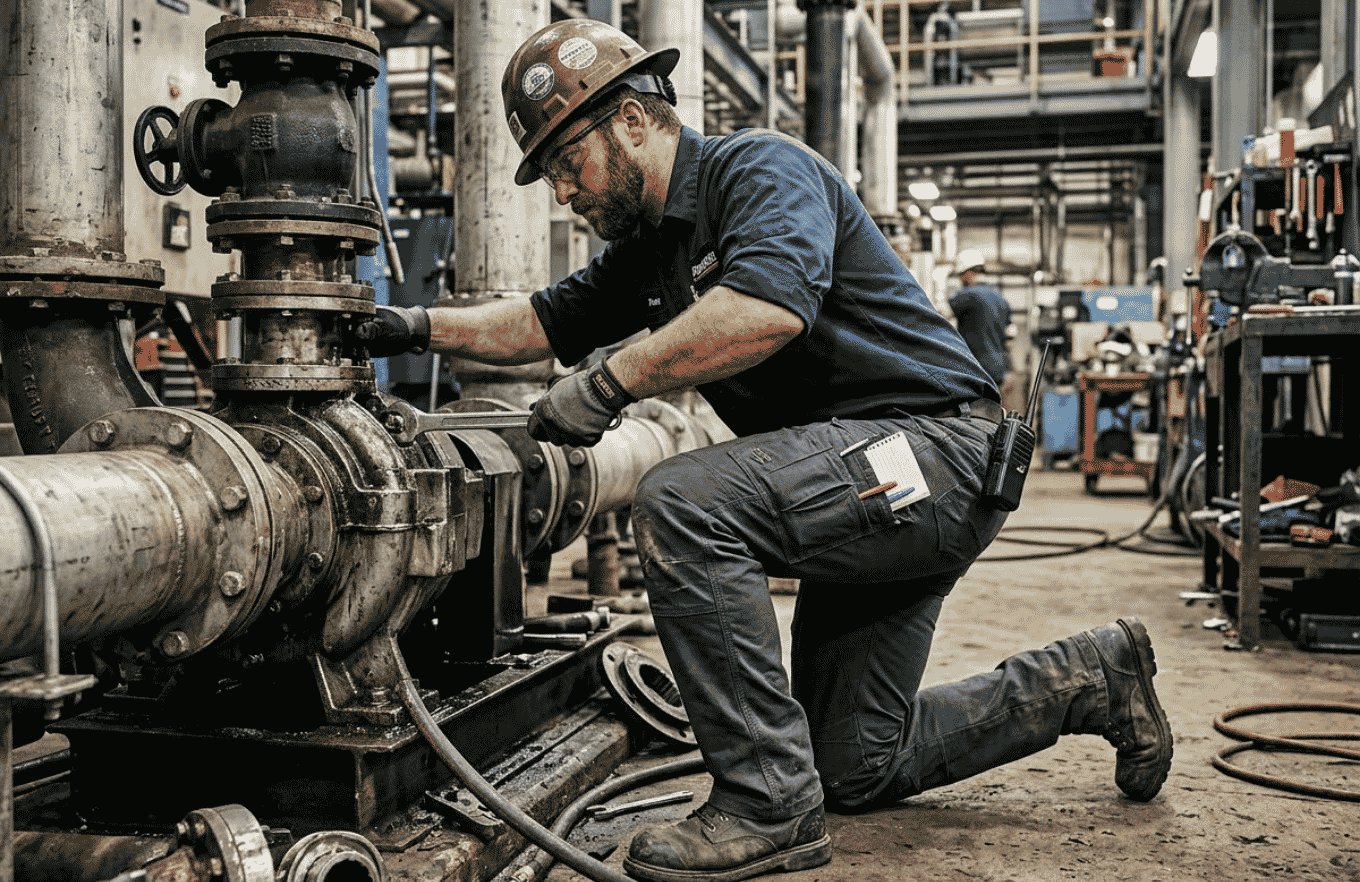
Manufacturing facilities require durable garments capable of handling abrasion, heat exposure, machinery, and repetitive movement. Smart protective clothing helps employees perform demanding tasks while maintaining comfort throughout extended shifts.
Workers operating around combustible materials require reliable protective clothing capable of supporting safe operations in hazardous environments. Advanced textile engineering helps improve durability while reducing garment weight.
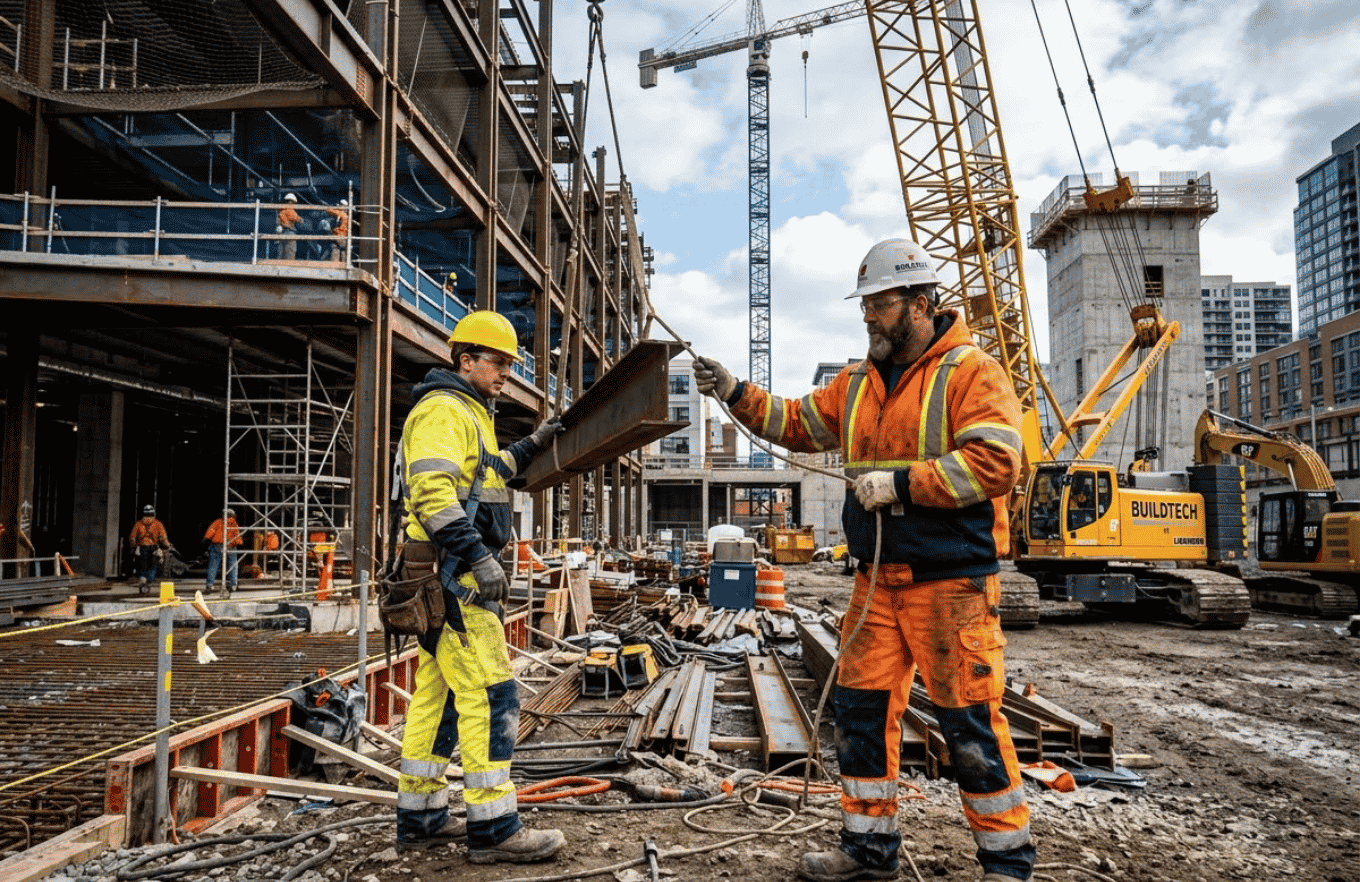
Construction professionals benefit from garments that improve visibility, mobility, and resistance to everyday workplace wear. Smart fabrics help maintain comfort despite changing weather conditions and physically demanding work.
Mining environments expose workers to dust, heat, mechanical hazards, and continuous physical activity. High-performance protective clothing improves safety while allowing unrestricted movement during daily operations.
Utility workers frequently encounter electrical hazards, outdoor conditions, and emergency response situations. Smart protective garments help improve both operational efficiency and worker confidence.
Modern garment production now integrates digital design technologies, precision cutting, advanced stitching techniques, automated quality inspections, and innovative fabric engineering.
An experienced Industrial Protective Clothing Manufacturer understands how these technologies improve garment consistency while maintaining strict production standards.
Smart manufacturing also reduces production waste, shortens lead times, and improves product reliability across large-scale industrial orders.
Modern protective garments increasingly utilize lightweight technical fabrics engineered to balance protection, durability, and flexibility. These advanced materials improve comfort without compromising workplace safety.
Innovative pattern engineering allows protective garments to move naturally with workers instead of restricting mobility. Better garment construction reduces fatigue while supporting physically demanding industrial activities.
Moreover, ergonomic improvements help increase employee compliance because workers are more willing to wear comfortable protective clothing throughout the entire workday.
Environmental responsibility is becoming an important factor in industrial apparel manufacturing.
Many organizations now prioritize manufacturers using responsible sourcing practices, efficient production technologies, recyclable materials, and longer-lasting garments that reduce overall environmental impact.
A responsible Safety Garment Manufacturer invests in sustainable manufacturing methods while maintaining product quality and worker protection.
Businesses increasingly recognize that sustainability and workplace safety can successfully support one another through smarter manufacturing processes.
Although technology continues evolving rapidly, manufacturing expertise remains one of the most valuable competitive advantages.
Well, a professional PPE Clothing Supplier understands industry regulations, international certifications, quality control systems, fabric performance, and customer-specific operational requirements.
Successful protective clothing combines engineering knowledge, manufacturing precision, material science, and continuous product improvement rather than relying solely on advanced technology.
Organizations seeking dependable industrial protective clothing require more than fashionable garments. They need manufacturing expertise backed by quality assurance, technical knowledge, and consistent production standards.
Samad Workwear continues to support industrial clients by developing high-quality workwear designed for demanding working environments. From product development through manufacturing, the company focuses on balancing protection, durability, comfort, and long-term value.
Serving customers across domestic and international markets, we emphasize modern manufacturing practices, strict quality control, and continuous innovation that aligns with changing industry requirements. Businesses looking for reliable protective clothing solutions benefit from the company's commitment to safety, consistency, and customer-focused manufacturing.
The next generation of industrial workwear will combine advanced textile engineering with intelligent functionality. Instead of serving only as protective garments, future workwear will actively improve worker safety, comfort, and productivity throughout the workday.
Some of the technologies expected to shape future protective clothing include:
● Moisture-managing fabrics that keep workers dry during physically demanding tasks.
● Temperature-regulating textiles that improve comfort in hot and cold industrial environments.
● Lightweight protective materials that reduce worker fatigue during extended shifts.
● Durable coatings that improve resistance against abrasion, chemicals, and repeated industrial washing.
● Smart wearable integration capable of supporting future safety monitoring technologies.
These innovations will help companies improve workplace efficiency while reducing downtime caused by uncomfortable or poorly designed protective garments.
Smart textiles can only deliver reliable performance when manufactured according to recognized international quality standards.
A dependable Industrial Protective Clothing Manufacturer ensures every garment is produced using consistent manufacturing practices, verified materials, and comprehensive quality inspections. Compliance not only improves workplace safety but also increases buyer confidence across global markets.
Future innovation will continue focusing on garments that combine advanced protection with comfort, durability, and long service life without sacrificing compliance.
Although smart textile technology offers tremendous opportunities, manufacturers still face several important challenges.
Research and development require continuous investment, while advanced fabrics often increase production complexity. Companies must also balance innovation with affordability, ensuring protective garments remain practical for large industrial workforces.
Furthermore, maintaining consistent product quality across thousands of garments requires sophisticated manufacturing systems, skilled production teams, and strict quality assurance procedures.
Organizations that successfully overcome these challenges will continue leading the global protective apparel industry.
Selecting a manufacturing partner should involve more than comparing prices.
Organizations should evaluate manufacturing capabilities, quality assurance systems, international compliance knowledge, product development expertise, production capacity, customization options, and long-term reliability.
Most importantly, businesses should choose partners capable of adapting to future textile innovations while maintaining consistently high manufacturing standards.
Working with an experienced manufacturer helps ensure protective clothing remains effective as workplace requirements continue evolving.
Partner with Samad Workwear for innovative protective clothing solutions that combine advanced manufacturing, dependable quality, international standards, and long-term performance for modern industrial workplaces worldwide.
Smart textile innovation is redefining the future of industrial protective clothing by combining advanced materials, ergonomic designs, and sustainable manufacturing practices. Businesses no longer require garments that simply meet minimum safety requirements. Instead, they seek solutions that improve productivity, worker comfort, durability, and operational efficiency.
As industries continue evolving, manufacturers capable of embracing new technologies while maintaining strict quality standards will remain industry leaders. Choosing the right manufacturing partner ensures organizations receive protective apparel that not only protects employees today but also supports future workplace demands.
Manufacturing, construction, oil and gas, mining, utilities, logistics, heavy engineering, chemical processing, and energy sectors benefit significantly from advanced protective clothing technologies.
Experienced manufacturers provide better product quality, international compliance, advanced manufacturing capabilities, consistent production standards, and long-term reliability for industrial safety programs.
Smart textiles improve comfort, durability, flexibility, moisture management, thermal regulation, sustainability, and overall worker performance while maintaining high levels of workplace protection.