
.webp)
.webp)
.webp)


Learn what businesses overlook when choosing a safety clothing manufacturer, including compliance, durability, custom workwear uniforms, and eco-friendly industrial uniforms.
Selecting a reliable safety clothing manufacturer is a critical decision for businesses operating in construction, oil and gas, manufacturing, and logistics. Many organisations focus only on price or basic availability, but overlook deeper factors such as compliance, fabric performance, sustainability, and long-term supplier reliability. A trusted safety clothing manufacturer should provide garments that meet international safety standards while ensuring comfort, durability, and consistency across production batches.
In today’s competitive environment, companies increasingly demand custom workwear uniforms tailored to specific operational needs. Additionally, growing awareness around sustainability has made Eco-Friendly Workwear Production in Pakistan and Eco-Friendly Industrial Uniforms important considerations for responsible sourcing. Understanding what is often missed during supplier selection can help businesses avoid costly mistakes and ensure workforce safety.

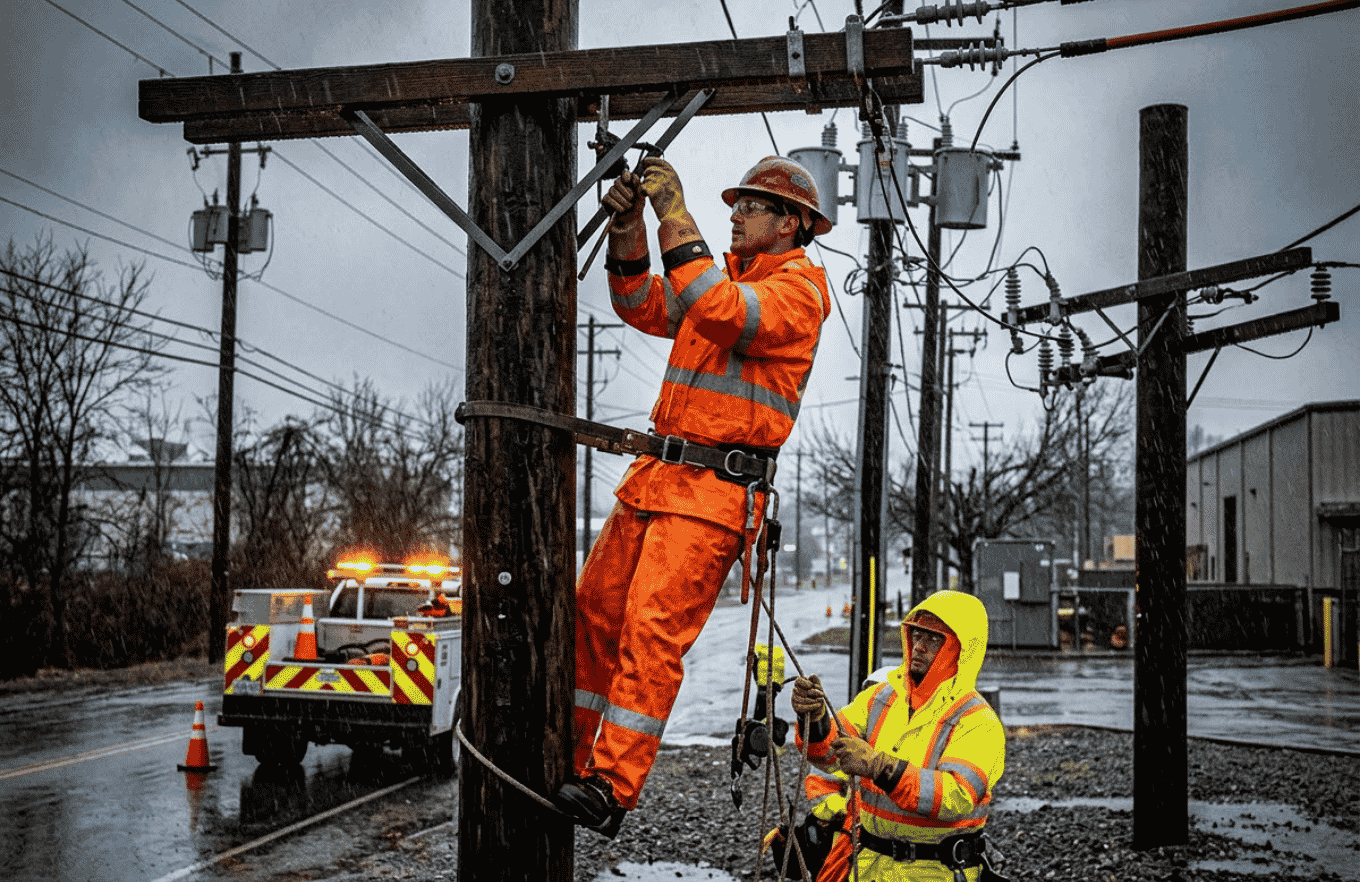
One of the most common mistakes businesses make when choosing a safety clothing manufacturer is ignoring certification and compliance. Safety garments must meet globally recognized standards to ensure proper protection in hazardous environments.
Relevant standards include:
• EN ISO 13688 for general protective clothing requirements
• EN ISO 20471 for high-visibility garments
• ISO 11612 for heat and flame protection
• NFPA 2112 for flash fire resistance
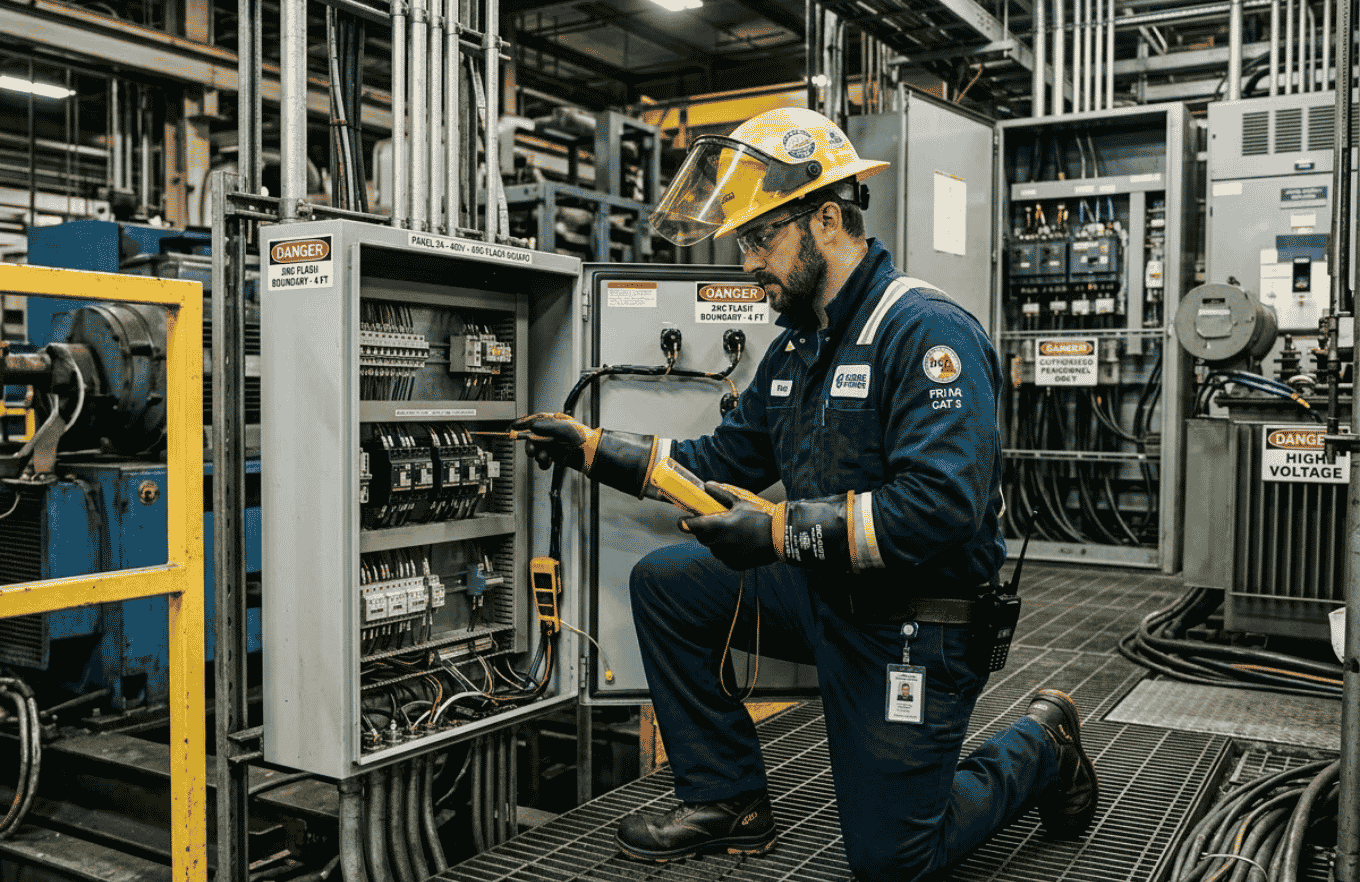
• NFPA 70E for electrical arc hazards
When companies fail to verify these certifications, they risk sourcing garments that do not provide adequate protection. Reliable manufacturers and Eco-Friendly Industrial Uniforms producers ensure that compliance is built into every stage of production, not treated as an afterthought.
Well, Samad Outerwear emphasizes compliance as part of their manufacturing process, ensuring that garments meet both performance and regulatory expectations.
Certification is not just about labeling. A professional safety clothing manufacturer should provide documentation, testing reports, and traceability for each garment batch. This includes fabric testing, durability checks, and verification against relevant safety standards.
Businesses often overlook the need to request these documents, which can lead to uncertainty in audits or workplace inspections. A transparent supplier offering custom workwear uniforms will always maintain proper certification records for accountability and trust.
Another overlooked aspect is fabric quality. The durability and protective performance of workwear depend heavily on the materials used. A low-quality fabric may degrade quickly, reducing the effectiveness of the garment.
High-performance safety clothing should include:
• Resistance to abrasion and tearing
• Retention of protective properties after repeated washing
• Breathability for comfort during long working hours
• Resistance to environmental factors such as heat, chemicals, or moisture
A dependable safety clothing manufacturer invests in material testing and quality control systems to ensure consistent output. Manufacturers involved in Eco-Friendly Workwear Production in Pakistan often combine durability with sustainable material sourcing, reducing environmental impact without compromising performance.
Quality-focused manufacturers use various testing methods such as tensile strength tests, flame resistance tests, and wash durability tests. These processes ensure that garments maintain their protective features over time.
Companies sourcing Eco-Friendly Industrial Uniforms should confirm that the supplier applies standardized testing protocols aligned with international benchmarks. This ensures both safety and reliability in demanding environments.
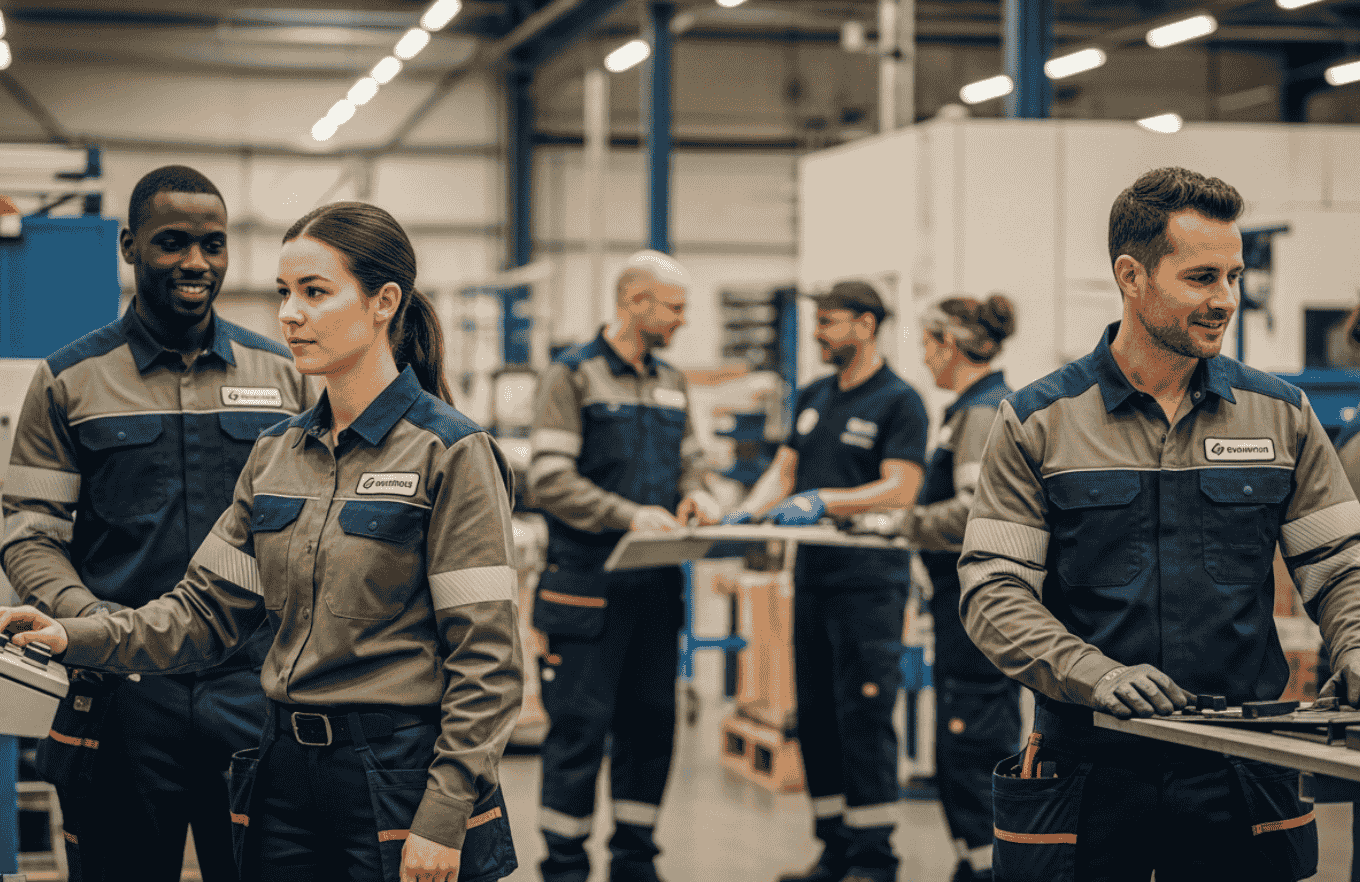
Many businesses underestimate the importance of customization when selecting a safety clothing manufacturer. Off-the-shelf garments may not always meet the specific requirements of different industries or job roles.
Customization allows companies to adapt uniforms based on:
• Work environment conditions
• Industry-specific hazards
• Branding and identity requirements
• Functional design elements such as pockets, closures, and reinforcement
Through custom workwear uniforms, organizations can ensure better usability and alignment with operational needs. Suppliers like Samad Outerwear often provide tailored solutions that combine safety with functionality.
Custom garments are not just about appearance. They improve worker efficiency by providing better fit, mobility, and comfort. Poorly designed uniforms can restrict movement or create discomfort, reducing productivity over time.
Businesses that invest in well-designed custom workwear uniforms often see improvements in worker satisfaction, reduced fatigue, and better adherence to safety protocols.
Sustainability is becoming a key factor in supplier selection. Many businesses overlook environmental and ethical considerations when choosing a safety clothing manufacturer, focusing only on cost and delivery timelines.
Modern manufacturers are expected to follow responsible practices such as:
• Reduced water and chemical usage in textile processing
• Ethical labor practices and fair working conditions
• Use of recyclable or responsibly sourced materials
• Energy-efficient production systems
The rise of Eco-Friendly Workwear Production in Pakistan reflects growing demand for responsible manufacturing practices. Similarly, Eco-Friendly Industrial Uniforms are gaining popularity among companies aiming to reduce their environmental footprint.
Some businesses assume that eco-friendly garments may compromise durability or safety. However, advanced manufacturing techniques now allow suppliers to produce garments that are both environmentally responsible and highly durable.
A reliable safety clothing manufacturer ensures that sustainability and performance work together rather than against each other. This balance is essential for long-term procurement strategies.
Another critical factor often ignored is the supplier’s ability to maintain a consistent supply. Businesses may face disruptions if their safety clothing manufacturer cannot handle large-scale or urgent orders.
Key aspects of supply chain reliability include:
• Production capacity and lead times
• Inventory management systems
• Logistics and global distribution capabilities
• Ability to scale with growing business needs
Suppliers that support long-term partnerships are better suited for companies operating across multiple locations. Organizations working with custom workwear uniform providers should ensure the supplier can handle both small and bulk orders efficiently.
Inconsistent supply can lead to operational delays, safety risks, and increased costs. Businesses that fail to evaluate supplier capacity may experience shortages in critical protective gear.
A dependable partner like Samad Outerwear demonstrates how structured production planning and supply chain management can ensure consistent delivery across different markets.
Communication is often underestimated when selecting a safety clothing manufacturer. Clear communication ensures that requirements are properly understood and executed during production.
After-sales support is equally important. This includes handling defects, replacements, and continuous improvements based on client feedback. A professional supplier of Eco-Friendly Industrial Uniforms will maintain ongoing relationships with clients rather than treating transactions as one-time interactions.
Contact Samad Outerwear today to source reliable safety clothing tailored to your business requirements and operational standards.
Choosing the right safety clothing manufacturer requires more than comparing prices or product catalogs. Businesses often overlook critical factors such as compliance with international standards, fabric quality, customization capabilities, sustainability practices, and supply chain reliability. Each of these elements plays a vital role in ensuring worker safety and long-term operational efficiency.
By considering aspects like custom workwear uniforms, Eco-Friendly Workwear Production in Pakistan, and Eco-Friendly Industrial Uniforms, companies can make informed decisions that align with both safety and corporate responsibility goals. Partnering with experienced manufacturers ensures consistent quality, regulatory compliance, and dependable service, helping businesses maintain safe and productive workplaces.
Businesses should verify compliance with international standards such as EN ISO and NFPA, assess fabric quality, review testing procedures, and confirm the supplier’s ability to deliver durable and certified protective garments.
Custom workwear uniforms improve fit, comfort, and functionality while addressing industry-specific hazards, helping workers perform efficiently while maintaining proper safety protection.
Eco-Friendly Workwear Production in Pakistan helps companies reduce environmental impact, meet sustainability goals, and source Eco-Friendly Industrial Uniforms without compromising on safety or durability.