
.webp)
.webp)
.webp)



A workwear exporter ensures global compliance by meeting certifications, delivering industrial workwear supplier standards, and supporting sustainable safety clothing for industries.
A professional workwear exporter plays a critical role in supplying protective garments that meet international safety and compliance requirements. As industrial operations expand across global markets, companies must ensure that the workwear they source complies with strict certification standards and performance guidelines. From construction sites to utility services, protective clothing must offer durability, safety, and regulatory compliance.
In today’s competitive industrial landscape, buyers expect more than basic garments. They require certified products supported by a reliable workwear exporter capable of delivering consistent quality across large-scale operations. Organizations that partner with an experienced industrial workwear supplier gain access to garments designed for performance, compliance, and long-term reliability in demanding work environments.
Compliance is one of the most important factors when selecting a workwear exporter. Protective clothing must meet the regulatory requirements of different regions, including Europe, North America, and international markets.
Failure to comply with safety standards can result in rejected shipments, legal issues, and increased workplace risks. A qualified industrial workwear supplier ensures that garments are tested and certified according to recognized standards before entering global markets.
Key compliance considerations include:
• Product testing and certification verification
• Fabric performance under hazardous conditions
• Documentation for export regulations
• Traceability of raw materials and production processes
A reliable safety clothing manufacturer integrates compliance into every stage of production, ensuring that exported garments meet both safety and regulatory expectations. Samad Workwear supports global buyers by maintaining strict compliance procedures across its manufacturing systems.
A professional workwear exporter must understand and implement a wide range of certifications to ensure product acceptance in international markets. These certifications validate the protective capabilities of industrial garments.
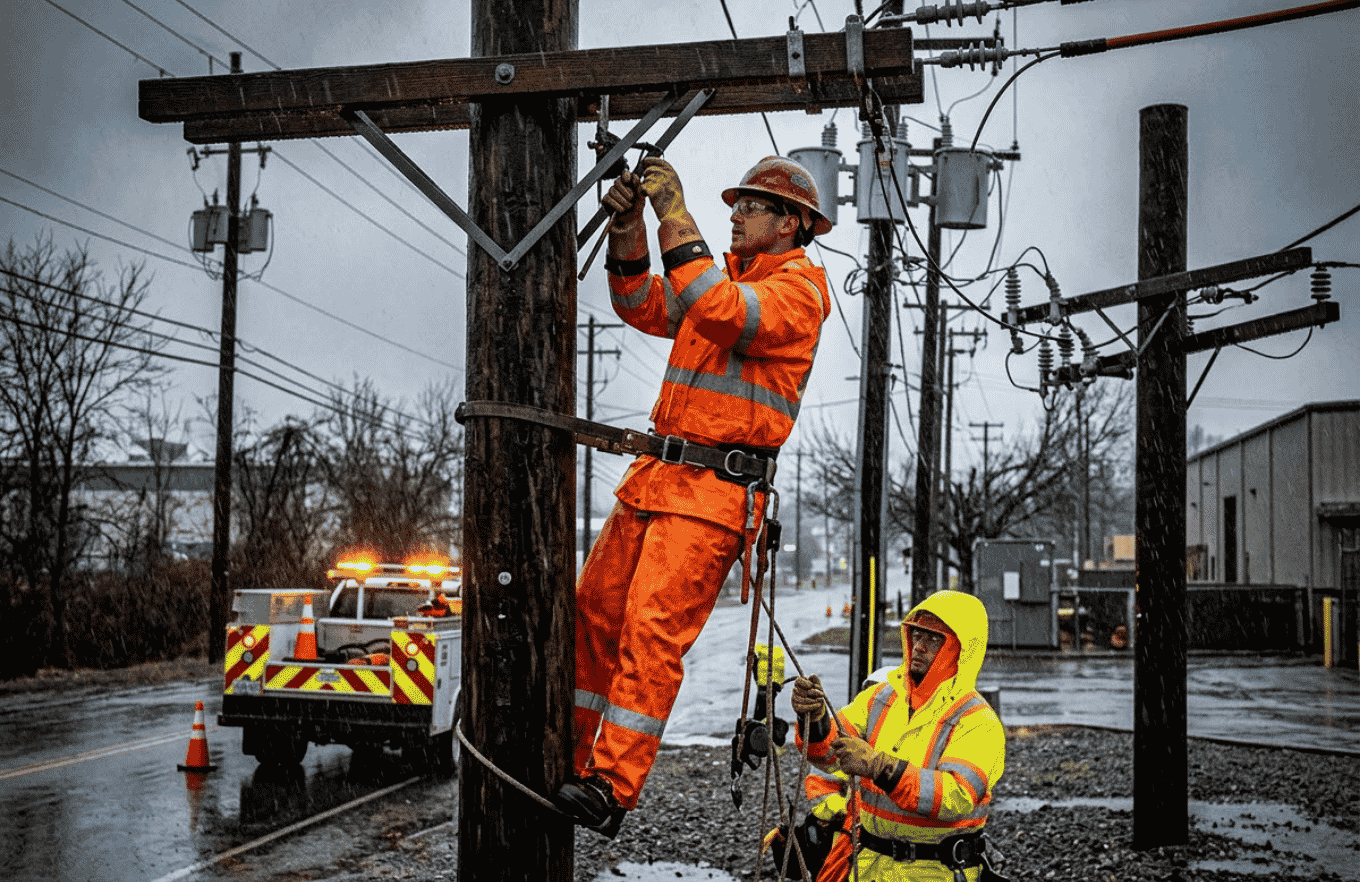
ANSI/ISEA 107 – High Visibility Safety Apparel
Defines requirements for high-visibility garments used in hazardous work environments, ensuring workers remain visible in low-light and high-risk conditions.
NFPA 2112 – Flame-Resistant Garments Standard
Specifies performance requirements for flame-resistant clothing used in industrial environments where flash fire hazards are present.
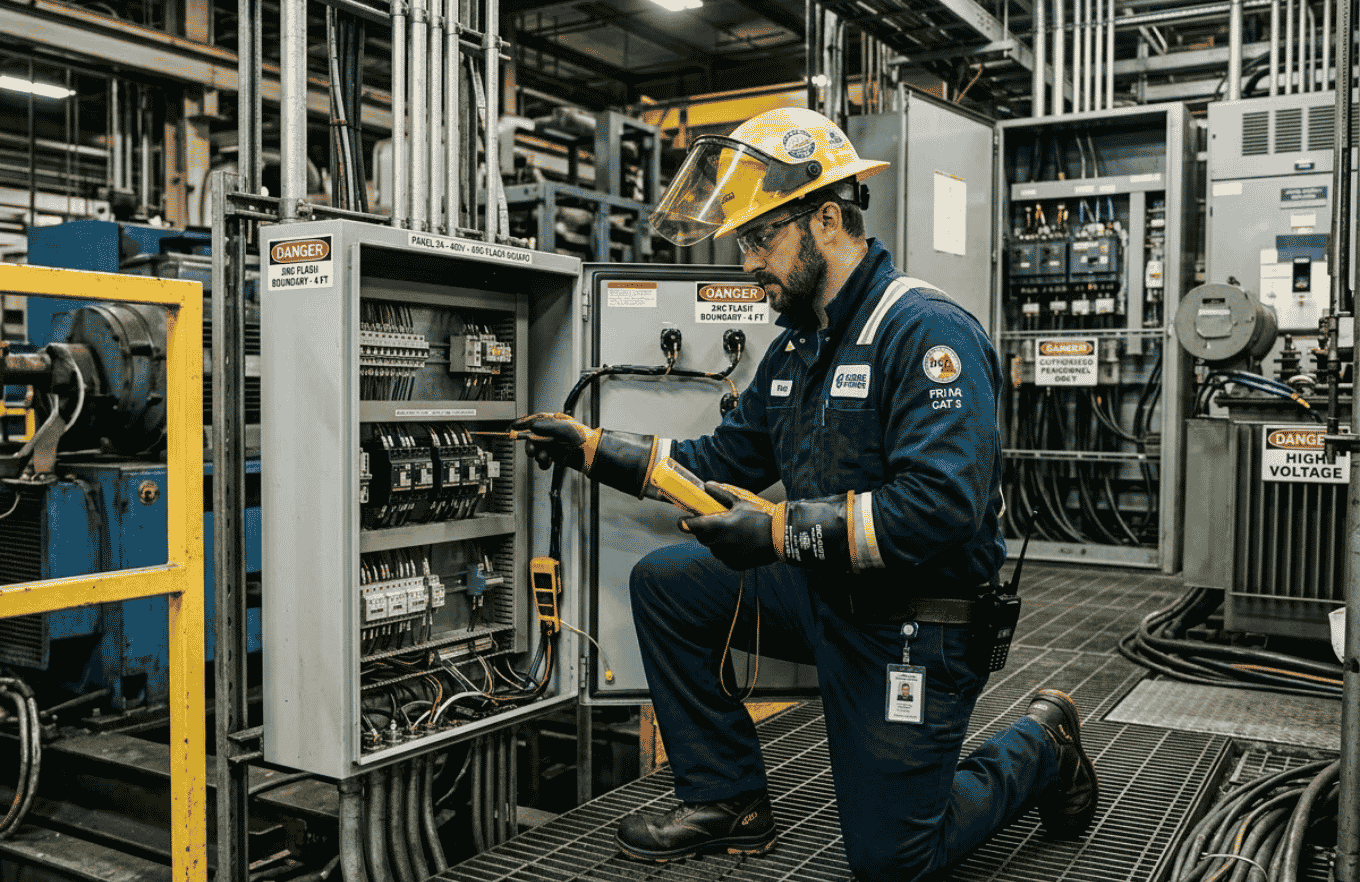
NFPA 70E – Electrical Safety in the Workplace
Provides guidelines for protective clothing designed to safeguard workers from electrical hazards, including arc flash incidents.
ASTM F1506 – Arc Flash Protective Clothing
Establishes performance specifications for garments that protect workers from arc flash exposure in electrical work environments.
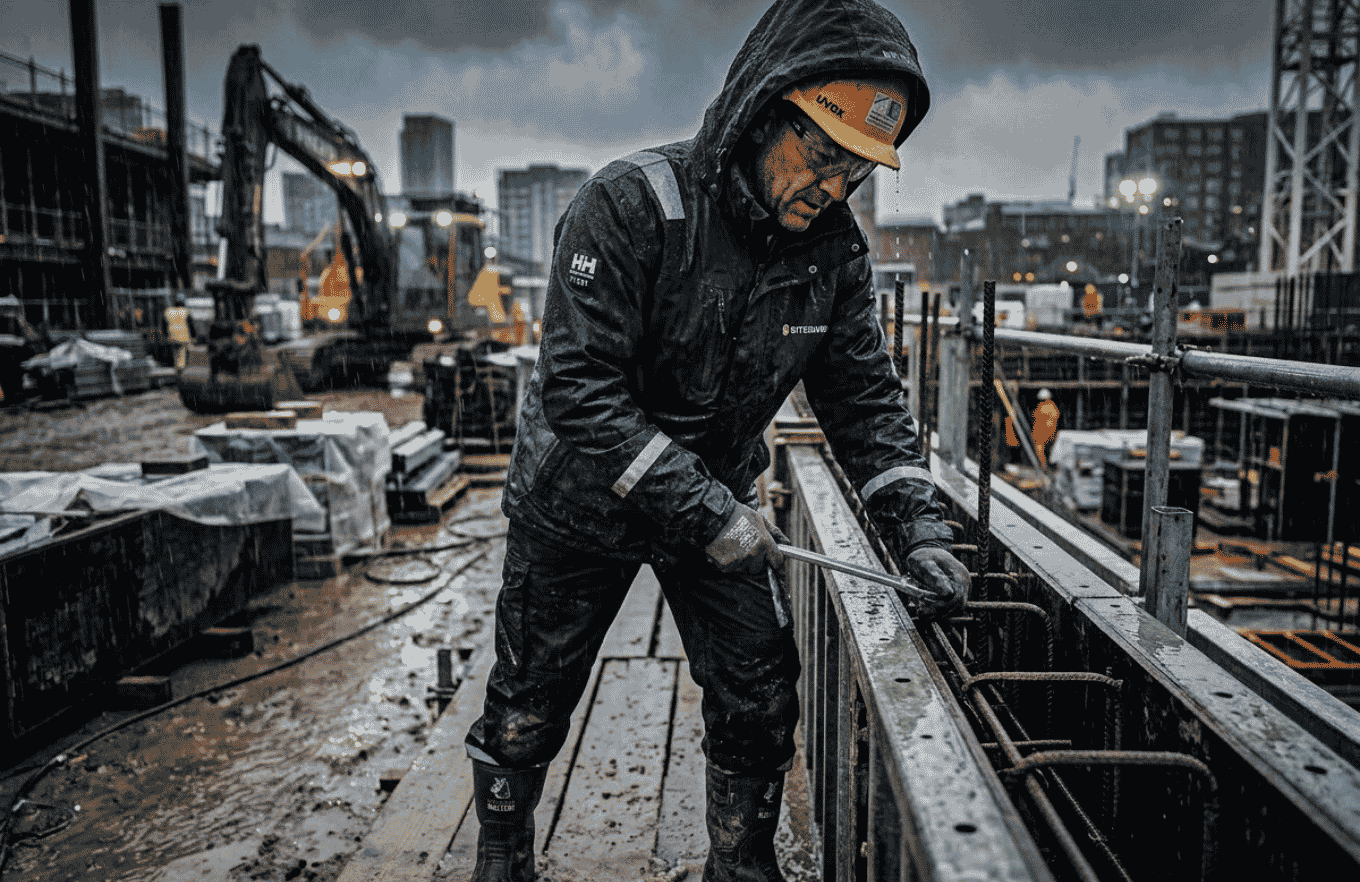
CSA Z96 – Canadian High Visibility Standard
Defines high-visibility garment requirements for workers in Canadian industries, ensuring safety compliance in construction and roadwork environments.
A qualified industrial workwear supplier ensures that all garments meet these standards before export. Samad Workwear incorporates these certifications into its product development process to meet the expectations of global clients.
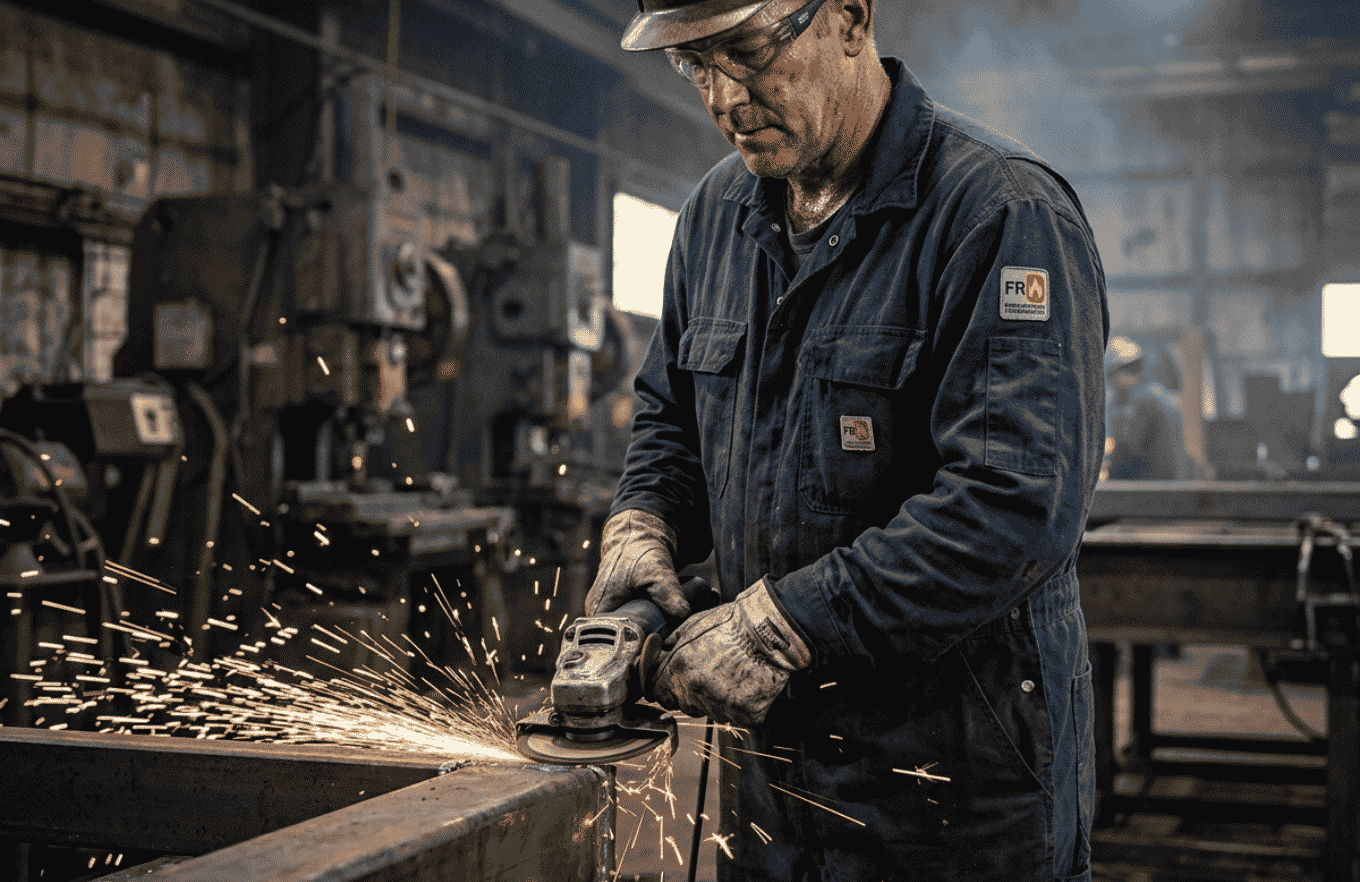
Quality assurance is essential for maintaining consistency in exported workwear. A professional industrial workwear supplier implements strict quality control processes to ensure that every garment meets required specifications.
Quality assurance systems typically involve multiple stages of inspection, including fabric testing, production monitoring, and final garment evaluation. These processes help ensure that protective clothing maintains durability and performance under real-world conditions.
A reliable safety clothing manufacturer focuses on delivering consistent product quality across all production batches. Samad Workwear follows comprehensive quality management systems that support global export standards.
Different industries require specific types of protective garments. A professional workwear exporter must offer a diverse product range that meets the needs of various sectors.
Industrial workwear categories include:
• Industrial and Utility Workwear designed for general operational safety
• Utility and Service Workwear for maintenance and field operations
• Hi-Vis Industrial Workwear for environments requiring enhanced visibility
These categories are essential for industries such as construction, utilities, logistics, and infrastructure development. A trusted industrial workwear supplier ensures that each category meets the necessary safety standards and performance requirements.
Samad Workwear specializes in producing workwear tailored to these industrial sectors, ensuring garments meet both safety and operational needs.
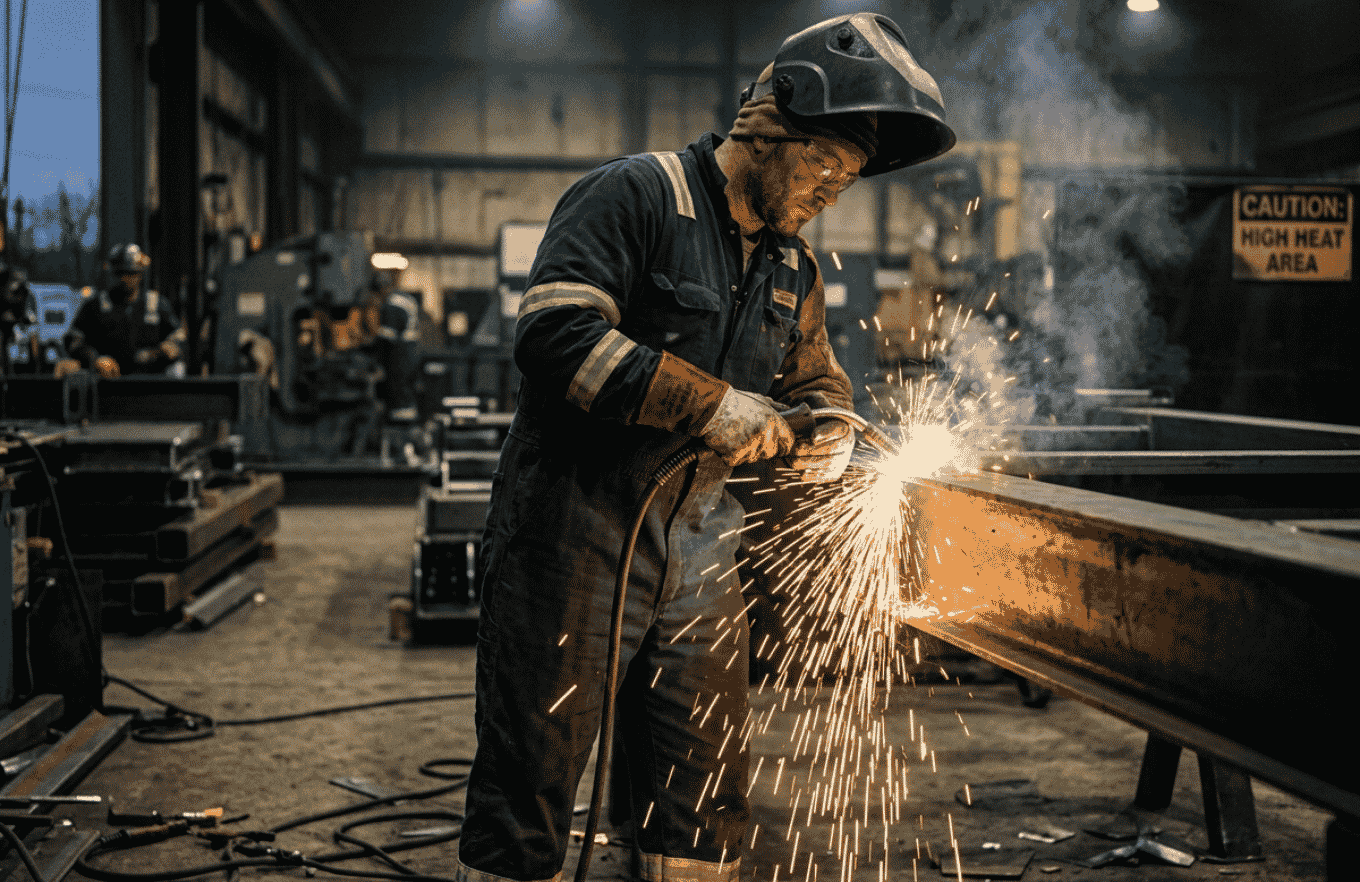
Sustainability has become a major consideration in global workwear manufacturing. Companies increasingly prefer sustainable safety clothing for industries that combines protective performance with environmentally responsible production practices.
A professional workwear exporter integrates sustainability into its manufacturing systems by reducing environmental impact while maintaining product quality. This approach aligns with global demand for responsible sourcing and production.
Key sustainability practices include:
• Use of environmentally responsible textile materials
• Reduction of chemical treatments during manufacturing
• Efficient resource management and waste reduction
• Long-lasting garment construction to minimize replacement cycles
A reliable safety clothing manufacturer implementing these practices contributes to a more sustainable global supply chain. Samad Workwear continues to adopt environmentally responsible production methods while maintaining high safety standards.
Exporting industrial workwear requires proper documentation to ensure compliance with international trade regulations. A professional workwear exporter must maintain accurate records of certifications, testing reports, and production processes.
Documentation typically includes:
• Certificates of conformity
• Test reports from accredited laboratories
• Material safety data sheets
• Export compliance documentation
A trusted industrial workwear supplier ensures that all documentation is complete and accurate before shipment. This process helps avoid delays, ensures smooth customs clearance, and builds trust with international buyers.
Manufacturers producing sustainable safety clothing for industries also include sustainability certifications and compliance documentation to meet environmental standards.
Contact Samad Workwear today to source certified industrial workwear solutions that meet global compliance standards and support safe, reliable operations.
Selecting the right workwear exporter is essential for organizations that require certified protective clothing for industrial applications. Compliance with international standards, consistent quality assurance, and proper documentation are critical factors that determine the success of global workwear supply.
A reliable industrial workwear supplier ensures that garments meet safety regulations while delivering durability and performance in demanding environments. At the same time, the growing importance of sustainable safety clothing for industries highlights the need for environmentally responsible manufacturing practices.
By partnering with an experienced safety clothing manufacturer, companies can ensure that their workforce is protected with high-quality garments that meet both regulatory and operational requirements. Samad Workwear demonstrates how expertise, compliance, and sustainability can be combined to support global industrial safety standards.
A workwear exporter should provide certifications such as ANSI, NFPA, ASTM, and CSA standards to ensure compliance with global safety regulations.
A reliable industrial workwear supplier ensures consistent quality, proper certification, and compliance with international safety standards for industrial garments.
Sustainable safety clothing for industries reduces environmental impact, improves garment durability, and supports responsible manufacturing practices across global supply chains.