
.webp)
.webp)
.webp)


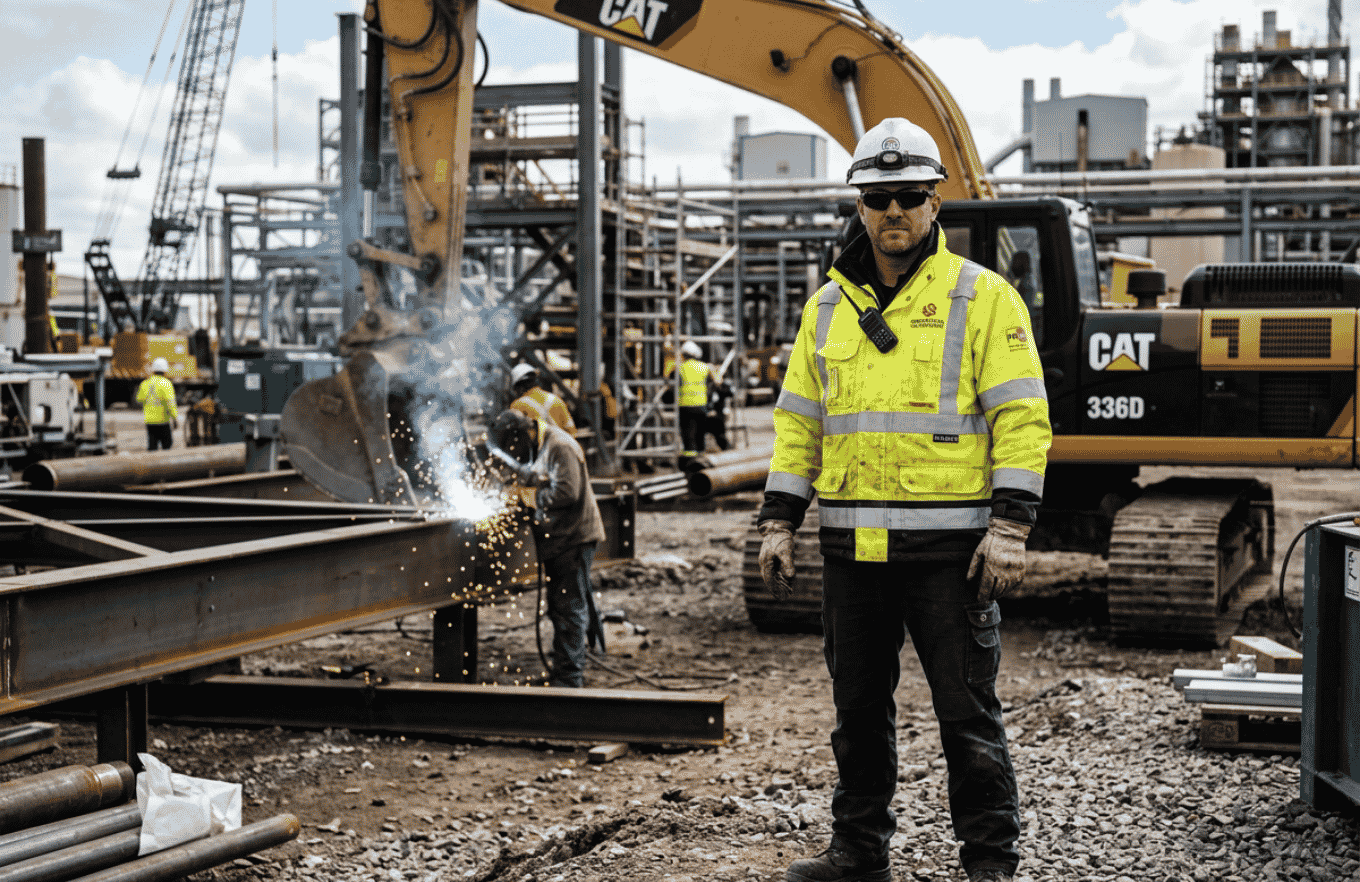
Explore how flame-resistant workwear improves welding safety through certified protection, advanced garment design, and industry-compliant performance.
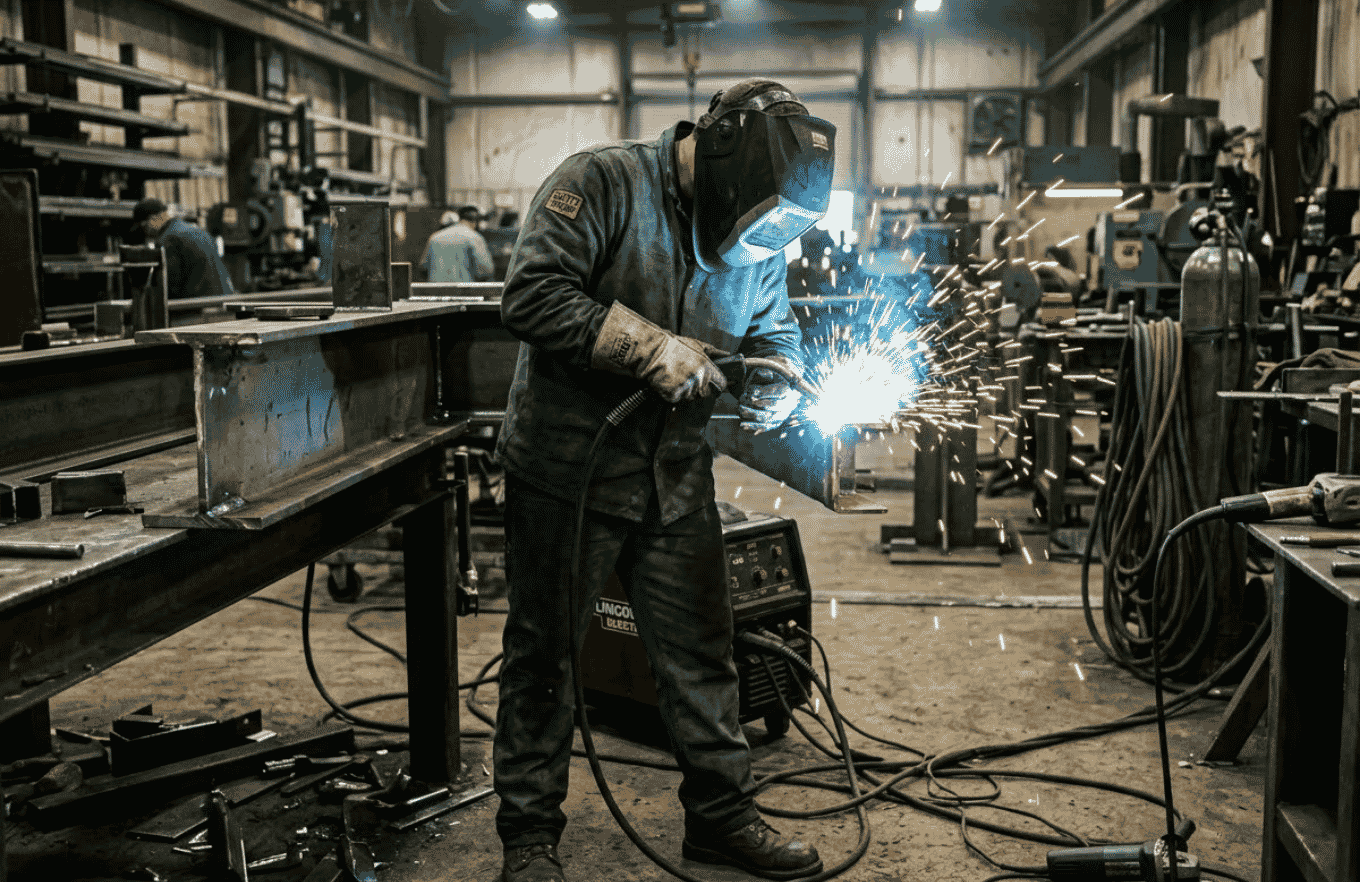
Industrial welding environments expose workers to constant hazards, including sparks, molten metal splash, radiant heat, and flash fire risks. Selecting the right protective clothing is not simply a compliance requirement. It is a critical decision that directly affects worker safety, productivity, and operational efficiency. Organizations operating in fabrication facilities, metal processing plants, shipyards, and construction projects require garments that can withstand demanding conditions while providing comfort throughout extended work shifts.
This is where flame-resistant workwear plays a vital role. Designed specifically for hazardous industrial environments, these garments help reduce injury risks while supporting compliance with recognized international standards. Businesses seeking dependable protection often partner with a trusted Welding PPE supplier capable of delivering certified garments for different welding classes and industrial applications.
In this article, we will examine the importance of welding protective apparel, key compliance standards, essential garment features, and how Samad Workwear manufactures advanced welding solutions for industrial teams worldwide.
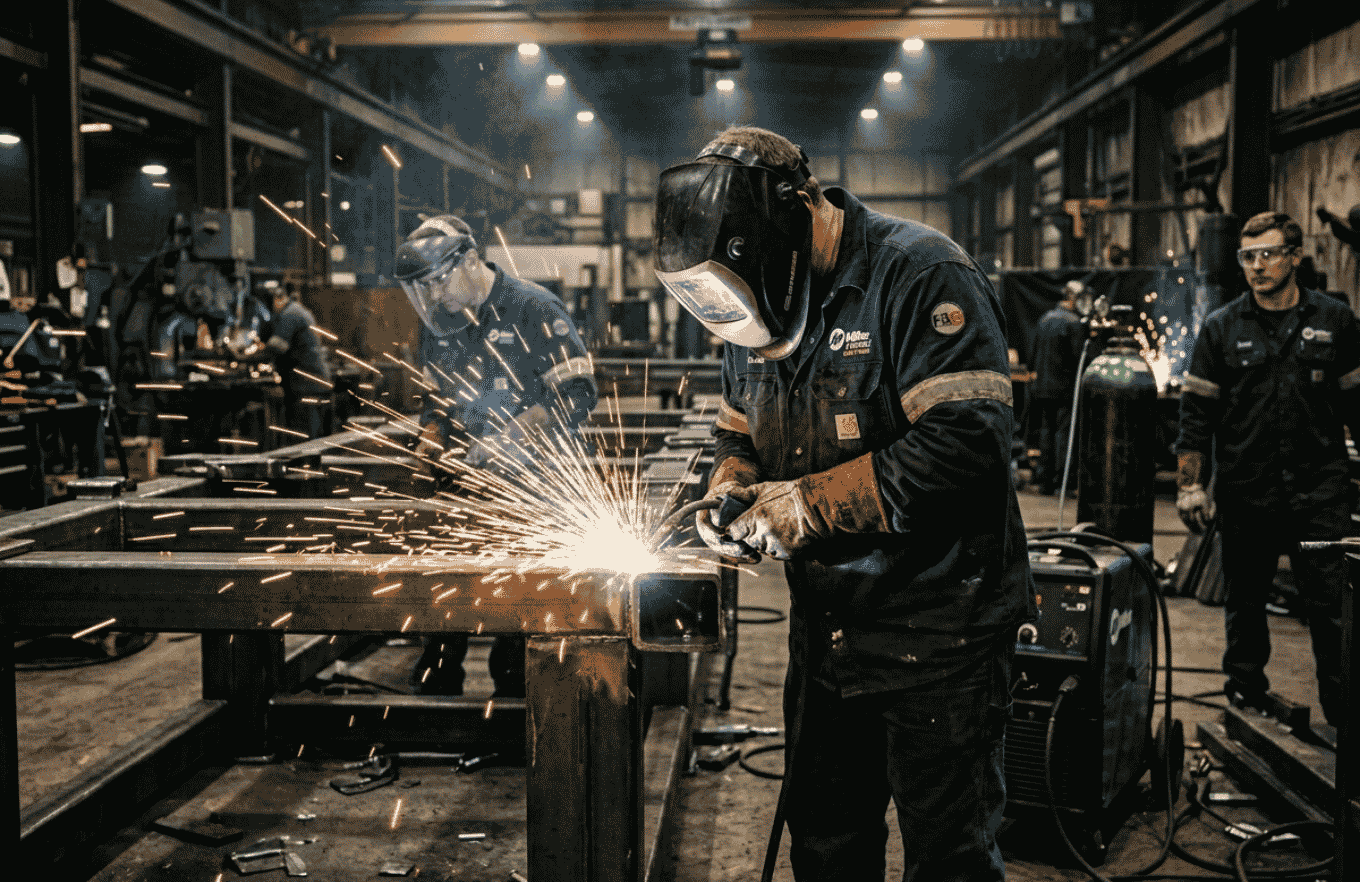
Welding processes generate multiple workplace hazards simultaneously. Workers may encounter open flames, molten metal droplets, intense heat, ultraviolet radiation, and mechanical abrasion throughout a typical workday.
Standard industrial uniforms are not designed to withstand these conditions. Specialized welding garments are engineered to resist ignition, minimize heat transfer, and reduce burn severity when accidental exposure occurs.
Most importantly, properly designed protective apparel helps organizations meet safety requirements while creating safer working environments for employees.
● Molten metal splash
● Arc exposure
● Radiant heat
● Hot surface contact
● Mechanical abrasion
● Flying sparks
● Heat stress
● Limited visibility in industrial settings
These risks explain why industrial buyers increasingly invest in certified protective garments instead of conventional workwear.
Certified flame-resistant workwear is widely used across industries where welding, cutting, fabrication, and hot work activities are regularly performed. These sectors include metal fabrication, shipbuilding, construction, oil and gas, manufacturing, power generation, infrastructure development, and heavy engineering. Each environment presents unique hazards, making properly certified welding PPE essential for worker safety and regulatory compliance.
One of our leading welding protection solutions is the 17787 FR Cotton Jacket Class 2, specifically engineered for demanding welding environments.
Our garment utilizes heavy-duty 450 GSM inherent flame-resistant fabric designed to withstand demanding workplace conditions while maintaining comfort and flexibility. The flame-resistant properties are built directly into the fibers, providing long-term protection that remains effective throughout the garment's service life.
● Stand-up ergonomic collar for enhanced neck protection
● Concealed front zipper with protective storm flap
● Reinforced chest pocket entry
● Multi-functional sleeve pocket system
● Abrasion-resistant stretch side panels
● Articulated sleeves for greater mobility
● Reinforced elbow zones
● Large utility storage pockets
● Heavy-duty bar-tack stitching
● Extended back coverage
● Hybrid fabric construction for durability and comfort
This standard specifies requirements for protective clothing used during welding and related industrial processes. It evaluates protection against sparks, molten metal splash, and brief flame contact.
Under EN ISO 11611, welding garments are classified according to the level of protection they provide. Class 1 garments are suitable for lower-risk welding operations involving smaller amounts of sparks and radiant heat. Class 2 garments provide enhanced protection for heavy welding applications, higher levels of molten metal splash, and more demanding industrial environments.
This standard measures garment performance against heat and flame exposure. Testing includes radiant heat, convective heat, and limited flame spread protection.
This standard establishes general requirements regarding ergonomics, sizing, comfort, durability, and garment safety.
Samad Workwear manufactures this product according to these internationally recognized standards to support industrial compliance and worker protection programs.
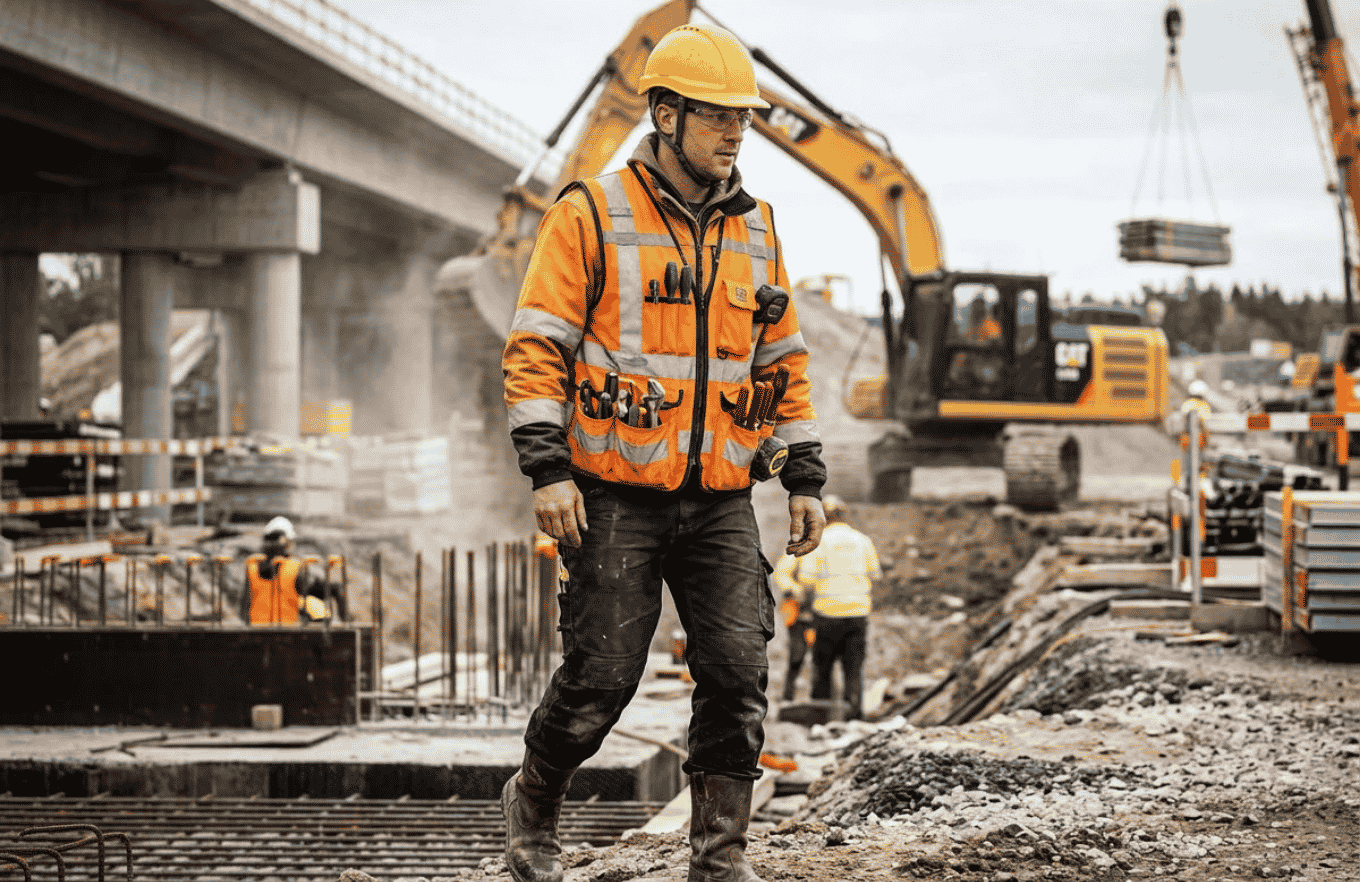
Many industrial environments require workers to remain visible while operating around moving vehicles, machinery, and hazardous processes.
To address these challenges, Samad Workwear manufactures the 17999 FR Hi-Vis Jacket Class 1 & Class 2.
This garment combines certified flame protection with enhanced visibility performance, making it suitable for construction sites, energy facilities, maintenance operations, and industrial manufacturing environments.
● High-visibility fluorescent fabric
● Reflective tape placement on the body and sleeves
● Cross-back reflective configuration
● Horizontal reflective bands
● Durable industrial-grade construction
● Adjustable sleeve cuffs
● Reinforced seam structure
● Concealed front zipper with storm flap
● Extended back protection
● Professional branding-ready design
● EN ISO 20471
This internationally recognized standard governs high-visibility clothing performance. It ensures workers remain visible during both daylight and low-light conditions.
● EN ISO 11611
Protects against common welding hazards.
● EN ISO 11612
Protects against heat and flame exposure.
● EN ISO 13688
Ensures comfort, fit, safety, and garment durability requirements are met.
Our manufacturing processes incorporate these standards throughout development and quality assurance procedures.

Industrial buyers are increasingly focused on compliance because workplace incidents create significant operational and financial consequences.
Certified garments provide:
● Improved worker protection
● Better compliance management
● Reduced workplace injury risks
● Increased garment durability
● Greater buyer confidence
Furthermore, certified protective clothing simplifies procurement decisions because buyers can verify performance against established international benchmarks.
Many welding activities take place near transportation routes, heavy machinery, warehouses, and large-scale construction projects.
In these environments, visibility becomes equally important as flame resistance.
This explains the growing demand for high-visibility workwear across construction, infrastructure, utilities, manufacturing, and industrial sectors where employers require multi-risk protection solutions for their workforce.
Combining visibility and flame protection allows organizations to address multiple workplace hazards through a single garment system.
When selecting an Industrial safety clothing supplier, procurement teams evaluate much more than pricing.
Key purchasing considerations include:
● Compliance certifications
● Manufacturing capability
● Fabric quality
● Product testing procedures
● Consistent production standards
● International export experience
● Technical support
● Product customization options
Samad Workwear focuses on these requirements to support customers operating across diverse industrial sectors and international markets.
Protective clothing must perform consistently under demanding workplace conditions. Our manufacturing approach emphasizes compliance, durability, functionality, and worker comfort.
From welding garments to multi-risk protective solutions, Samad Workwear develops products designed to help organizations strengthen workplace safety programs while meeting global compliance expectations.
Moreover, continuous product development allows us to respond to evolving industry requirements and changing customer demands across international markets.
Partner with us for certified welding protection garments engineered to improve workplace safety, support compliance objectives, and deliver dependable performance across demanding industrial environments.
Industrial welding operations require specialized protective garments capable of addressing multiple workplace hazards simultaneously. From flame exposure and molten metal splash to visibility requirements and ergonomic comfort, modern protective apparel plays a critical role in worker safety.
By combining certified materials, advanced garment construction, and internationally recognized compliance standards, Samad Workwear provides welding solutions designed for today's demanding industrial environments. Investing in properly certified protective clothing remains one of the most effective ways organizations can strengthen safety performance while supporting long-term operational success.
Quality welding garments typically comply with EN ISO 11611 for welding protection, EN ISO 11612 for heat and flame resistance, and EN ISO 13688 for general protective clothing requirements.
High-visibility garments help workers remain visible around vehicles, equipment, and machinery while maintaining flame-resistant protection for welding operations.
Look for suppliers with certified products, international manufacturing experience, strong quality control systems, compliance expertise, and proven industrial safety knowledge.