
.webp)
.webp)
.webp)


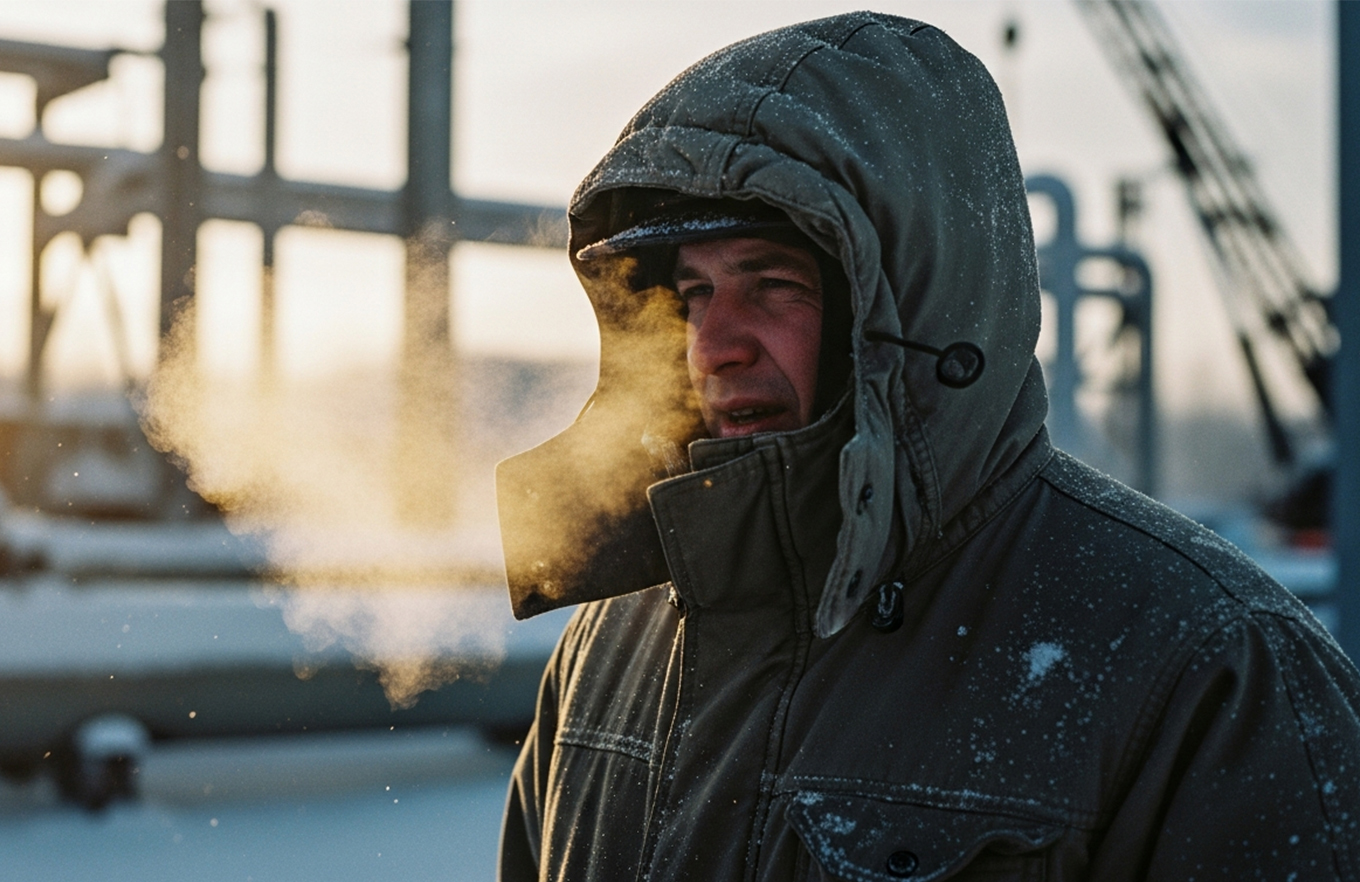
Industrial workwear supplier insights on choosing softshell or insulated workwear layers for industrial environments safely.
Industrial workwear supplier decisions increasingly depend on how effectively garments perform across varying climates, job roles, and operational risks. In modern industrial environments, selecting between softshell and insulated workwear is no longer a matter of preference but a strategic choice tied directly to productivity, worker comfort, and long-term garment performance. Industrial workwear supplier expertise becomes especially critical when layered protection must balance thermal regulation, mobility, and durability under demanding conditions.
Within the first phase of garment selection, understanding how softshell and insulated workwear function differently helps decision-makers align protection with real-world industrial use. As industries shift toward more climate-conscious sourcing and longer wear cycles, selecting the correct outer layer impacts safety outcomes and cost efficiency across operations.
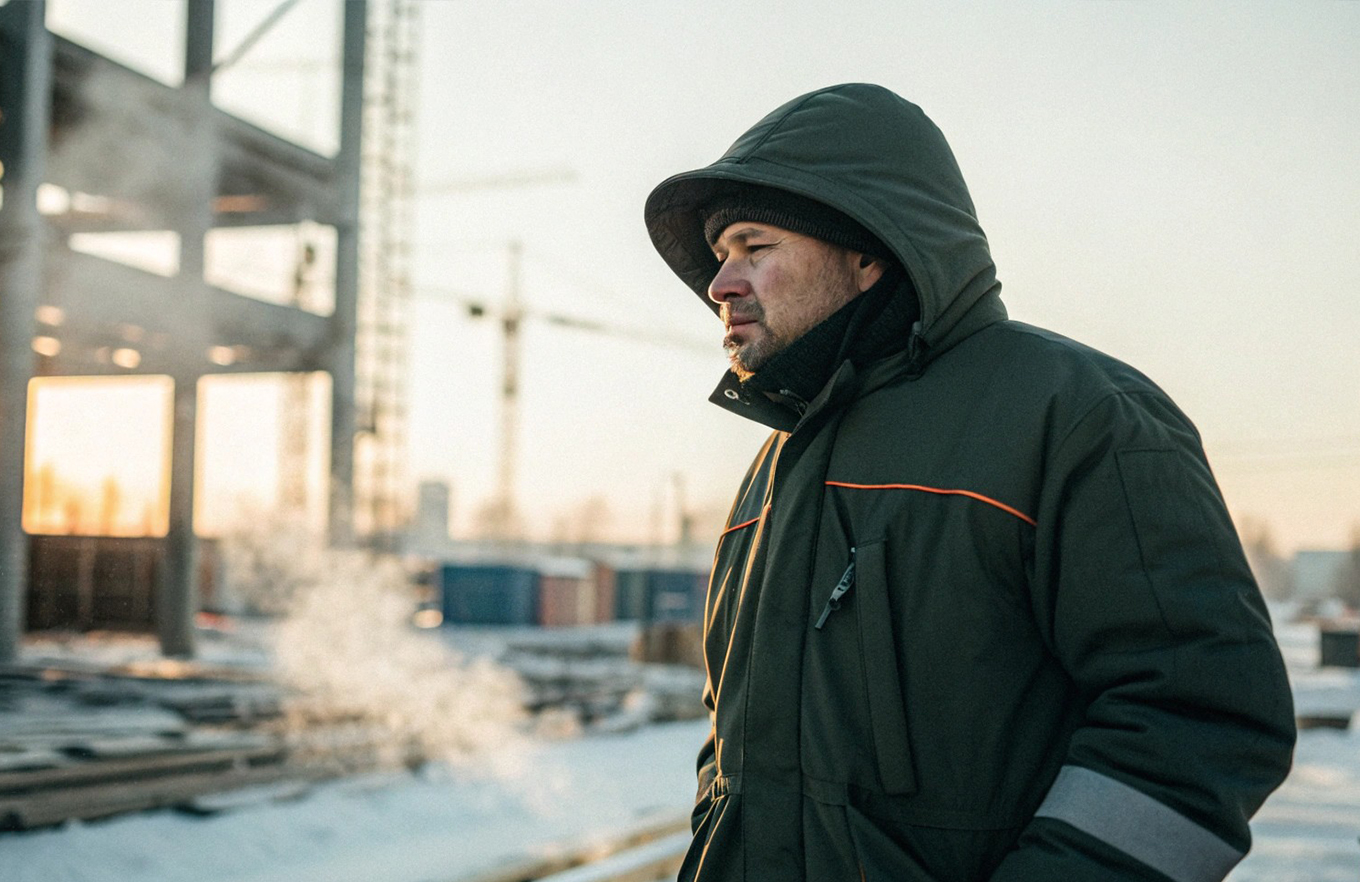
Industrial environments expose workers to fluctuating temperatures, wind, moisture, and physical strain. Workwear layers must respond to these variables without restricting movement or compromising protection. Softshell and insulated workwear serve distinct roles within layered systems, each designed to address specific environmental challenges.
An experienced industrial workwear supplier recognizes that outerwear selection must consider activity intensity, exposure duration, and environmental stress. Softshell garments prioritize flexibility and breathability, while insulated workwear emphasizes thermal retention and environmental shielding. When integrated correctly, these layers enhance comfort without sacrificing safety.
Softshell workwear is engineered for active industrial roles where movement and temperature regulation are critical. Typically constructed using tightly woven fabrics with stretch properties, softshell garments offer wind resistance and moderate weather protection without excessive bulk. For workers involved in logistics, utility services, and equipment operation, softshell layers allow consistent mobility throughout extended shifts.
A reputable industrial workwear supplier designs softshell garments to support breathability, ensuring moisture vapor escapes during physical exertion. This reduces internal heat buildup and helps regulate body temperature in dynamic work environments. Softshell workwear is particularly effective in transitional weather where insulation alone may cause overheating.
In industrial operations where tasks shift frequently between indoor and outdoor settings, softshell garments maintain comfort without frequent layering changes. Many custom workwear uniforms incorporate softshell designs to accommodate varying activity levels while maintaining a professional appearance. Samad Outerwear applies this approach by engineering softshell garments that support durability without adding unnecessary weight.
Insulated workwear is purpose-built for cold exposure, static work environments, and extended outdoor operations. Insulation materials trap body heat, forming a thermal barrier against low temperatures and wind chill. Industrial sectors such as cold storage, energy infrastructure, and outdoor construction rely on insulated garments to maintain worker safety and performance.
A knowledgeable industrial workwear supplier ensures insulation weight aligns with environmental demands. Over-insulation can reduce mobility, while insufficient insulation exposes workers to fatigue and cold stress. High-quality insulated workwear balances warmth with structural integrity, ensuring long-term wearability.
Insulated garments must withstand abrasion, repeated laundering, and prolonged exposure to harsh conditions. As a sustainable workwear manufacturer in Pakistan, Samad Outerwear integrates durable woven shells with insulation systems designed for longevity. This approach supports both operational performance and environmental responsibility through extended garment life cycles.
Selecting between softshell and insulated workwear requires evaluating job activity levels, exposure duration, and climate variability rather than relying solely on seasonal assumptions.
Feature
Softshell Workwear
Insulated Workwear
Mobility
High flexibility with stretch fabrics designed for active movement
Moderate mobility, optimized for lower activity or static tasks
Warmth
Light to moderate thermal regulation depending on base layers
High thermal retention for cold and wind-exposed environments
Weight
Lightweight and low bulk for long shifts and frequent motion
Heavier construction due to insulation layers and protective shells
Best Use
Dynamic roles, indoor to outdoor transitions, mild to cool climates
Cold storage, winter outdoor work, low-movement industrial roles
Custom workwear uniforms often incorporate both garment types within a single workforce, allowing employers to align protection levels with specific job roles. An experienced industrial workwear supplier evaluates operational realities rather than offering one-size-fits-all solutions.
Layering strategies influence whether softshell or insulated garments perform optimally. Softshell layers often serve as outer shells over base layers, while insulated garments function as standalone protective solutions. Green and durable workwear supplier strategies increasingly emphasize modular layering systems that adapt to changing climates without replacing entire wardrobes.
Industrial outerwear selection increasingly includes flame-resistant and arc-flash performance requirements, particularly in energy, utilities, welding, and heavy manufacturing environments. Softshell garments can be engineered with FR properties using modacrylic blends and inherent FR stretch fabrics, allowing workers to maintain mobility while meeting compliance standards. These FR softshell designs are especially relevant for tasks requiring frequent movement and intermittent heat or spark exposure.
Insulated workwear introduces additional structural considerations for FR performance. In FR insulated jackets, both the outer shell and insulation system must meet flame-resistance standards. Advanced designs utilize aramid-based insulation or FR-treated thermal layers that maintain loft without compromising protection. This construction is critical for arc-flash protection, where insulation thickness and material composition directly influence ATPV ratings.
For welding and electrical applications, a knowledgeable industrial workwear supplier ensures that garment architecture supports layered FR systems rather than treating flame resistance as an afterthought. Properly engineered FR softshell and insulated garments protect workers from thermal hazards while preserving durability and comfort across demanding industrial conditions.
Sustainability has become a defining factor in workwear sourcing. As industries seek lower environmental impact, garment design must consider material efficiency, longevity, and ethical production practices. A sustainable workwear manufacturer in Pakistan focuses on reducing waste through durable construction and responsible sourcing.
Samad Outerwear integrates sustainability principles by engineering garments that maintain performance over extended service life. This reduces replacement frequency and supports environmental goals without compromising industrial protection standards.
Choosing between softshell and insulated workwear requires a thorough understanding of operational conditions. An industrial workwear supplier evaluates environmental exposure, worker activity levels, and safety requirements before recommending garment solutions. Custom workwear uniforms further enhance this process by aligning fit, function, and branding with operational needs.
Long-term value emerges when garment selection reflects real-world performance rather than short-term cost savings. Samad Outerwear supports industrial clients through tailored garment development that prioritizes durability, comfort, compliance, and environmental responsibility.
Selecting between softshell and insulated workwear is a strategic decision that directly impacts worker safety, compliance, and productivity. Each layer serves a distinct role within industrial environments, and understanding their differences allows organizations to optimize protection across diverse conditions.
Samad Outerwear specializes in custom industrial workwear, including FR-rated softshells, arc-flash compliant insulated jackets, and cold-store outerwear engineered for durability and extended wear life. As an experienced industrial workwear supplier and green and durable workwear supplier, we deliver solutions built for real-world industrial demands.
Contact Samad Outerwear today to develop custom industrial, FR, arc-flash, and cold-store outerwear designed for performance, compliance, and long-term value.
Softshell workwear suits industries with high movement and changing temperatures, such as logistics, utilities, maintenance operations, and equipment handling.
Insulated workwear is essential for cold storage, outdoor winter operations, and low-movement industrial environments requiring sustained thermal protection.
Yes, custom workwear uniforms often combine softshell and insulated garments to match varied job roles, climates, and safety requirements.