
.webp)
.webp)
.webp)


Learn how flame-resistant workwear protects oil and gas workers through certified fabrics, arc flash protection, and reliable industrial workwear suppliers.
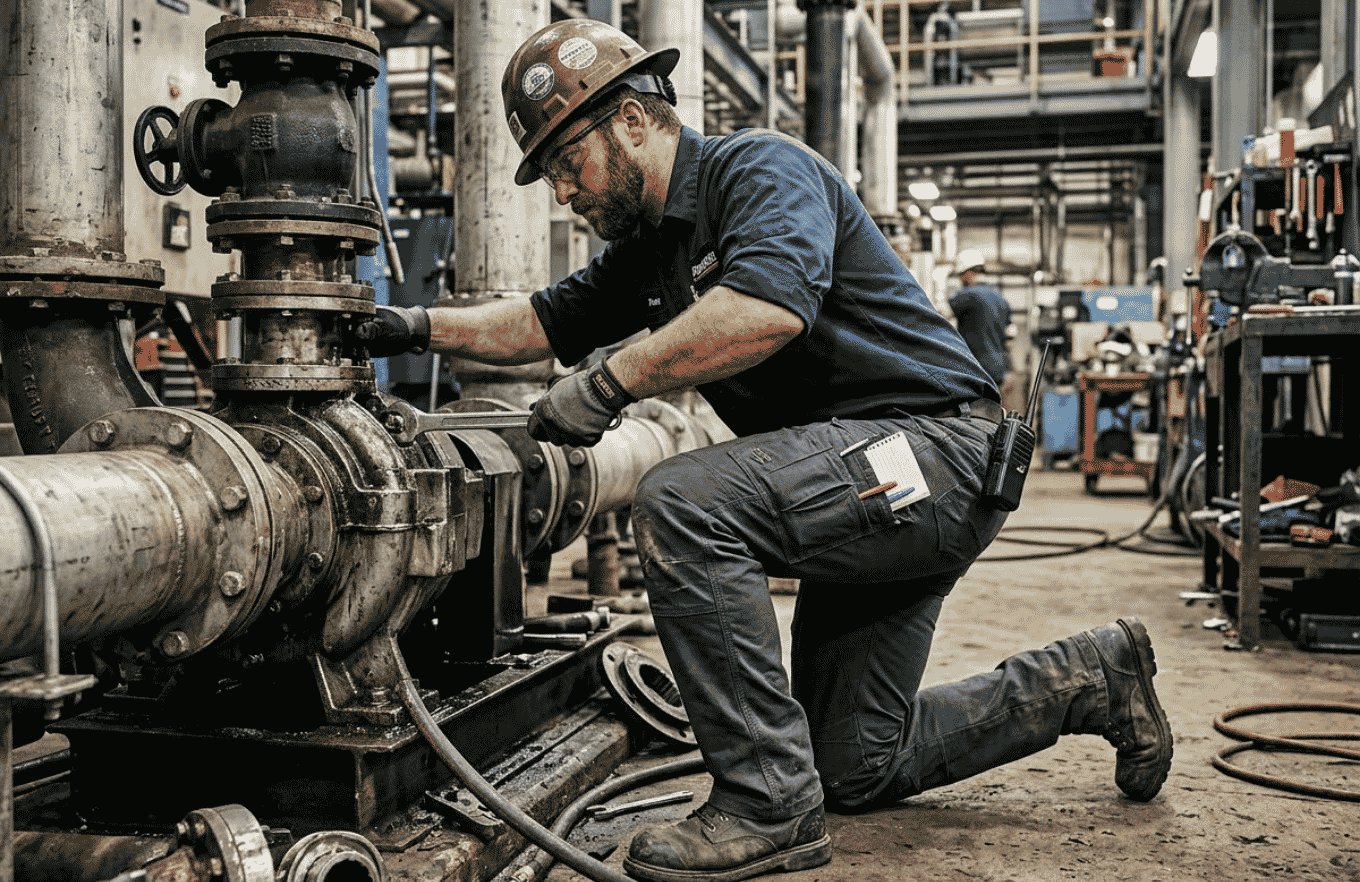
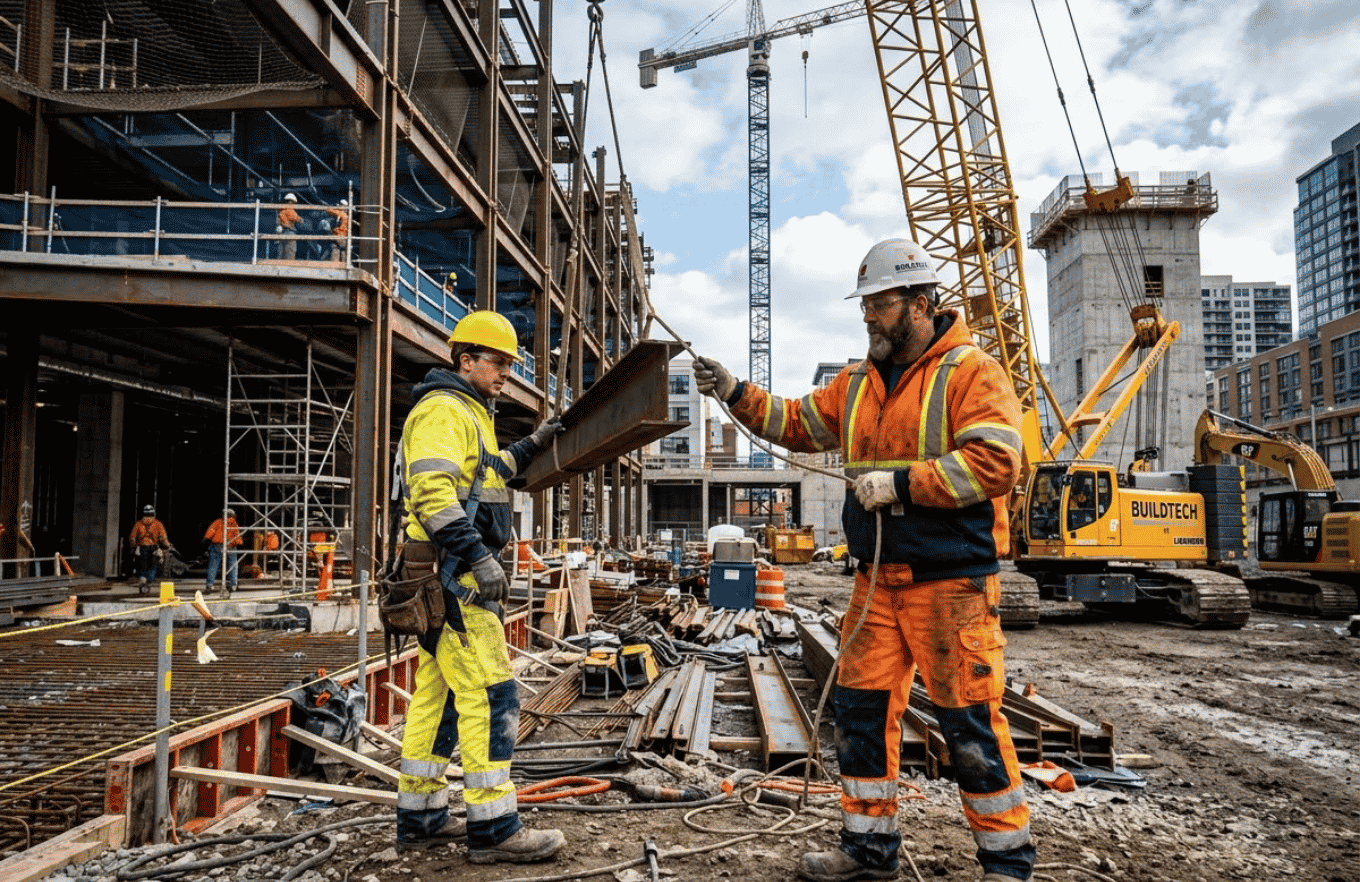
The oil and gas sector operates in some of the most hazardous environments in the world, where exposure to flames, electrical arcs, and high temperatures is a constant risk. For this reason, flame-resistant workwear has become an essential element of workplace safety in refineries, drilling platforms, and petrochemical plants.
Companies must carefully select protective clothing that meets strict international safety standards while maintaining durability and comfort for workers who operate in demanding conditions. A trusted industrial workwear supplier plays a critical role in providing garments that reduce the risk of burn injuries and improve overall workplace safety. Modern manufacturers now integrate advanced fabrics and engineering techniques to create garments that protect workers without compromising mobility or breathability.
As global safety expectations increase, organizations are also relying on reliable FR workwear suppliers to provide certified protective clothing designed specifically for the hazards present in the oil and gas industry.

Oil and gas operations involve multiple fire hazards, including flash fires, combustible gases, and electrical arc incidents. In such environments, standard clothing can ignite quickly and worsen burn injuries. Proper flame-resistant workwear is engineered to self-extinguish and minimize flame spread, helping protect workers from severe harm.
Protective clothing used in these environments must comply with strict safety regulations and performance standards. The garments must resist ignition, maintain their protective properties after repeated washing, and provide adequate insulation against high heat exposure.
Common hazards faced by workers include:
• Flash fires caused by ignitable gases
• Electrical arc events during maintenance
• Heat exposure in refineries and drilling facilities
• Sparks generated during welding or mechanical operations
Selecting garments from an experienced industrial workwear supplier ensures that workers receive protective clothing designed specifically to handle these risks.
International safety standards define how flame-resistant workwear should perform in hazardous conditions. These standards ensure consistent protection across global industries.
Some widely recognized standards include:
• NFPA 2112 – Standard for flame-resistant garments protecting workers from flash fires
• NFPA 70E – Guidelines for electrical safety and protection from arc flash hazards
• ASTM F1506 – Performance specifications for flame-resistant textile materials used in protective clothing
• ISO 11612 – Protective clothing against heat and flame for industrial environments
When sourcing garments from an experienced FR workwear supplier, companies can ensure that these compliance requirements are met without compromising garment quality or durability.
Oil and gas operations require multiple layers of protection depending on the task being performed. Protective clothing must be designed to address specific hazards while maintaining worker comfort.
Key categories of protective garments include:
• Flame-resistant coveralls designed for refinery and drilling environments
• Arc-rated jackets and trousers used during electrical maintenance
• Multi-norm garments combining heat, flame, and anti-static protection
• Protective outerwear designed for harsh outdoor environments
Many companies now work with specialized industrial workwear suppliers to develop garments tailored to operational conditions. In such cases, arc flash clothing becomes particularly important for electrical technicians working on energized systems.
Reliable manufacturers like Samad Outerwear focus on combining protective performance with functional design so that garments remain comfortable during long shifts.
Electrical hazards are a significant concern in oil and gas facilities. When an electrical fault occurs, an arc flash can generate extreme temperatures exceeding several thousand degrees Celsius.
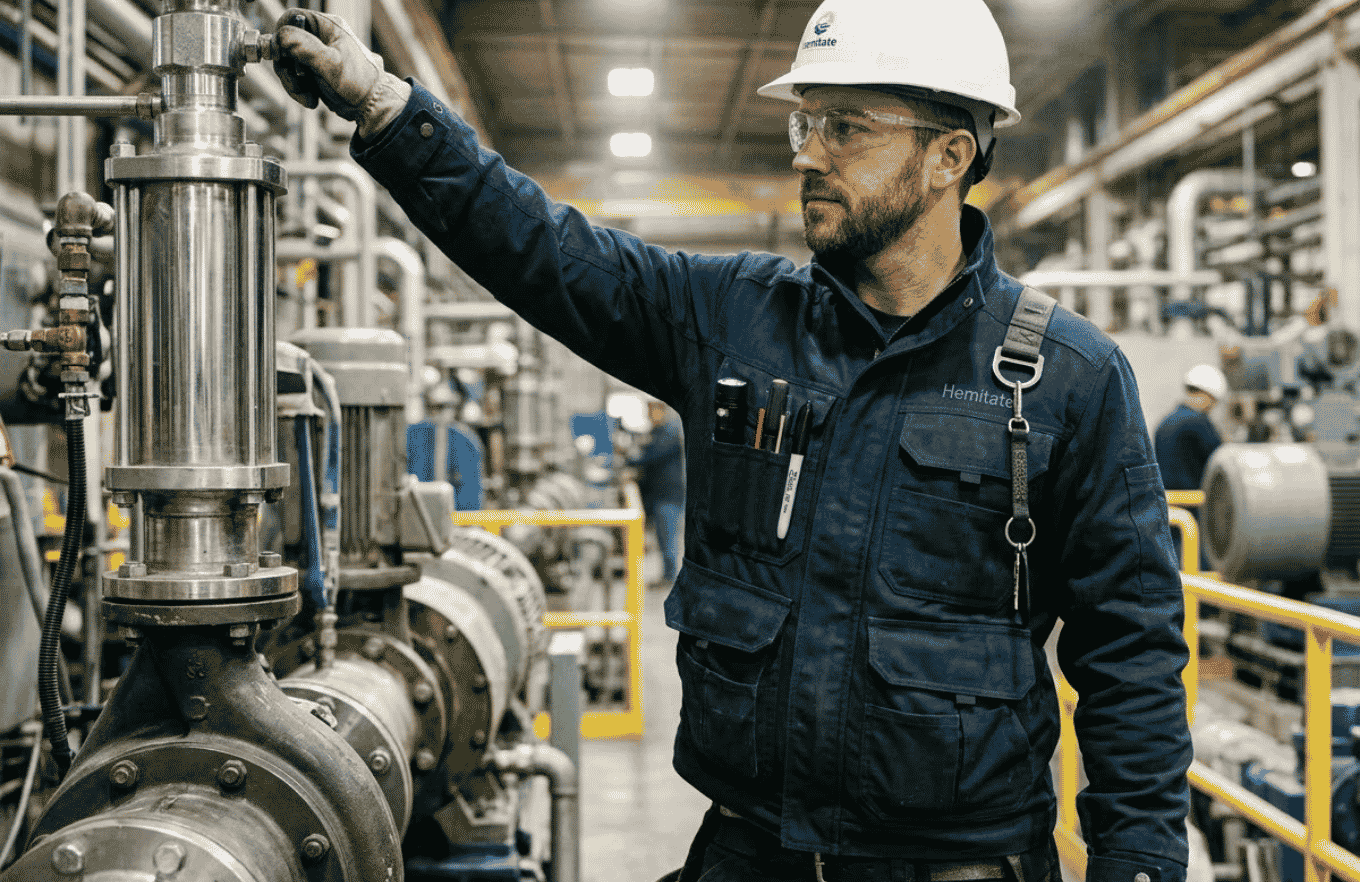
For this reason, specialized arc flash clothing is required to protect workers from intense heat and thermal energy generated during such incidents.
Protective arc-rated garments typically feature:
• Flame-resistant fabrics engineered to resist ignition
• Arc rating values measured in calories per square centimeter (cal/cm²)
• Reinforced stitching and closures designed to withstand thermal stress
Organizations sourcing garments from an experienced FR workwear supplier should verify arc ratings and compliance with standards such as NFPA 70E and ASTM F1959.

Selecting the right industrial workwear supplier is crucial when sourcing protective garments for high-risk industries. The supplier must demonstrate expertise in safety standards, fabric performance, and garment durability.
Key considerations include:
• Compliance with international protective clothing standards
• Proven expertise as a reliable FR workwear supplier
• Ability to produce certified arc flash clothing for electrical hazards
• Transparent quality control processes and testing procedures
• Sustainable manufacturing practices and responsible sourcing
Suppliers that prioritize both safety performance and responsible production practices are becoming increasingly valuable partners for industrial companies.
Manufacturers such as Samad Outerwear are recognized for producing protective garments that align with modern industry expectations, combining durability with responsible manufacturing approaches.
The oil and gas sector is also becoming more conscious of environmental responsibility. While safety remains the top priority, companies are now seeking protective clothing that supports sustainability goals.
Sustainable protective clothing may include:
• Fabrics manufactured using lower environmental impact processes
• Long-lasting materials that reduce garment replacement frequency
• Responsible dyeing and finishing techniques
A forward-thinking FR workwear supplier integrates these principles while ensuring that protective garments maintain the same level of safety performance required in hazardous environments.
Organizations sourcing flame-resistant workwear for oil and gas operations should adopt a strategic approach. Rather than focusing solely on cost, companies must evaluate garment performance, certification, and supplier credibility.
Recommended sourcing practices include:
• Conducting safety assessments for each operational environment
• Verifying certification against NFPA, ASTM, and ISO standards
• Testing garments for durability and wash performance
• Ensuring suppliers can provide arc flash clothing for electrical protection
Working with a knowledgeable industrial workwear supplier allows companies to implement protective clothing programs that align with both operational safety requirements and regulatory expectations.
Contact Samad Outerwear today to source certified flame-resistant workwear engineered for demanding oil and gas environments.
Protecting workers in the oil and gas industry requires more than standard clothing. High-risk environments demand specialized flame-resistant workwear that can withstand extreme heat, flash fires, and electrical arc hazards. By sourcing garments from a reliable industrial workwear supplier, companies can ensure that employees receive protective clothing designed specifically for the challenges of industrial operations.
From certified fabrics to specialized arc flash clothing, modern protective garments play a critical role in preventing workplace injuries and improving safety performance. Organizations that partner with experienced FR workwear suppliers benefit from expertise in compliance, durability, and protective technology. As safety standards continue to evolve, investing in certified flame-resistant workwear remains one of the most effective ways to safeguard workers in hazardous environments.
Flame-resistant workwear used in oil and gas operations should comply with recognized standards such as NFPA 2112, NFPA 70E, ASTM F1506, and ISO 11612 to ensure proper protection against flash fires and heat hazards.
Professional FR workwear suppliers use specialized fabrics and treatments designed to maintain flame resistance even after repeated laundering and prolonged industrial use.
Electrical maintenance and power distribution systems in oil and gas facilities can create arc flash hazards. Certified arc flash clothing protects workers from extreme heat generated during electrical faults.