
.webp)
.webp)
.webp)


Explore proper storage guidelines for flame-resistant workwear to prevent degradation, improve durability, and maintain safety performance in industries.
Proper care and storage play a major role in maintaining the long-term performance of industrial garments. Even high-quality protective clothing can lose its effectiveness if it is exposed to poor environmental conditions over time.
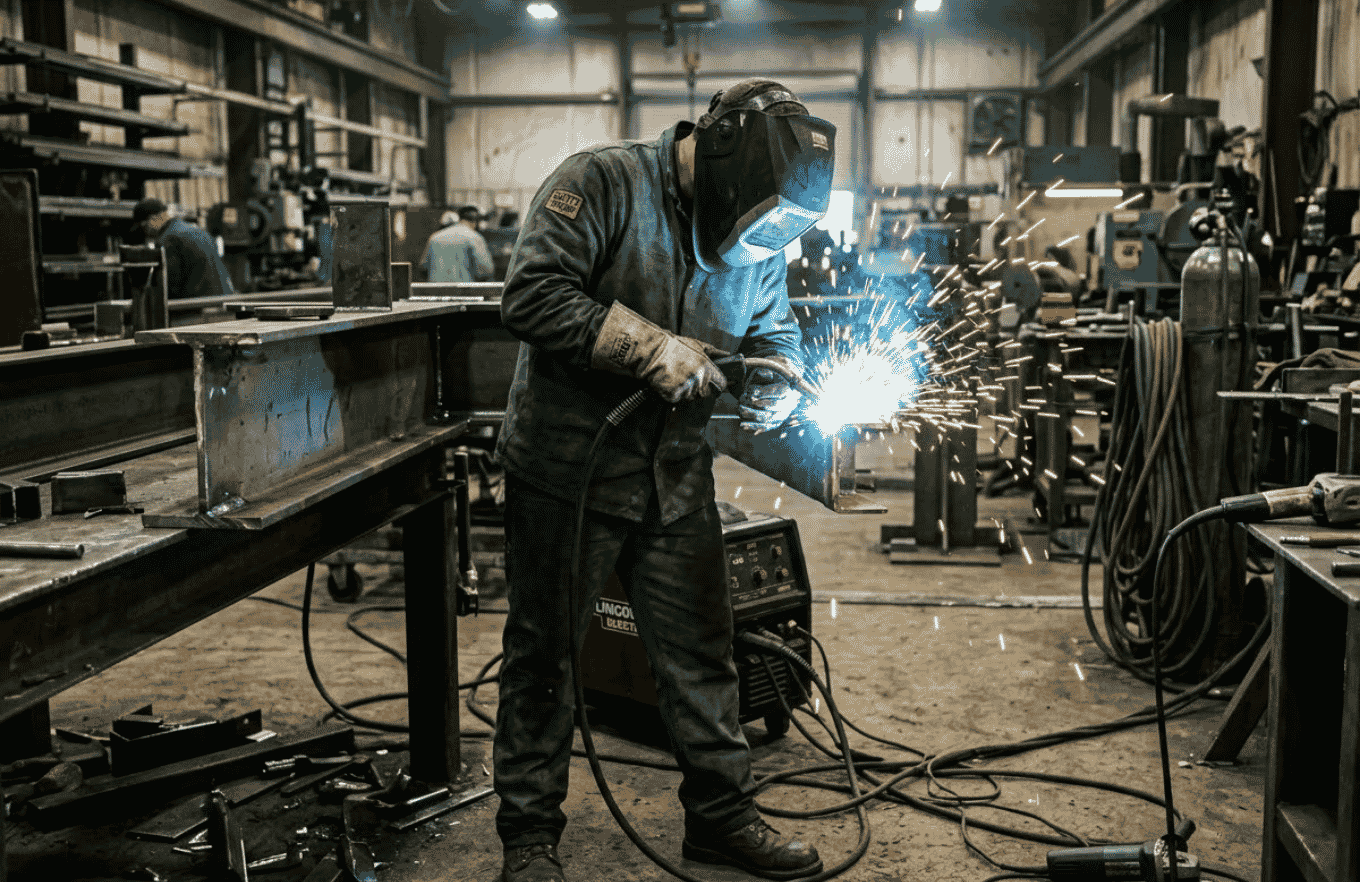
In modern industries, Flame-resistant workwear is essential for protecting workers from heat, sparks, and hazardous exposure. However, many organizations focus only on usage and overlook how storage conditions impact fabric integrity.
Well, companies like Samad Workwear emphasize not only production quality but also long-term durability expectations, where correct storage becomes part of the garment’s lifecycle performance.
In this article, we are going to explore how proper storage practices prevent degradation, extend garment lifespan, and ensure safety compliance across industrial environments. Let’s go step by step.
Correct storage directly affects the durability and protective performance of FR workwear. When garments are stored improperly, their fibers can weaken, leading to reduced resistance against heat and flame exposure.
An experienced Industrial safety clothing supplier always emphasizes controlled storage environments to preserve protective properties and maintain compliance with international safety standards.
Moreover, proper storage reduces replacement costs and ensures that workers always use fully functional protective gear.
Well, Samad Workwear follows strict material handling and storage-friendly production standards to ensure garments retain performance after long industrial cycles.
Several environmental and handling factors contribute to the breakdown of protective garments:
● Exposure to direct sunlight leads to UV damage
● High humidity is causing fiber weakening
● Contact with industrial chemicals and oils
● Improper folding creates permanent seam stress
● Dust accumulation is affecting fabric breathability
These factors gradually reduce the effectiveness of Flame-resistant workwear, making proper storage essential for workplace safety.
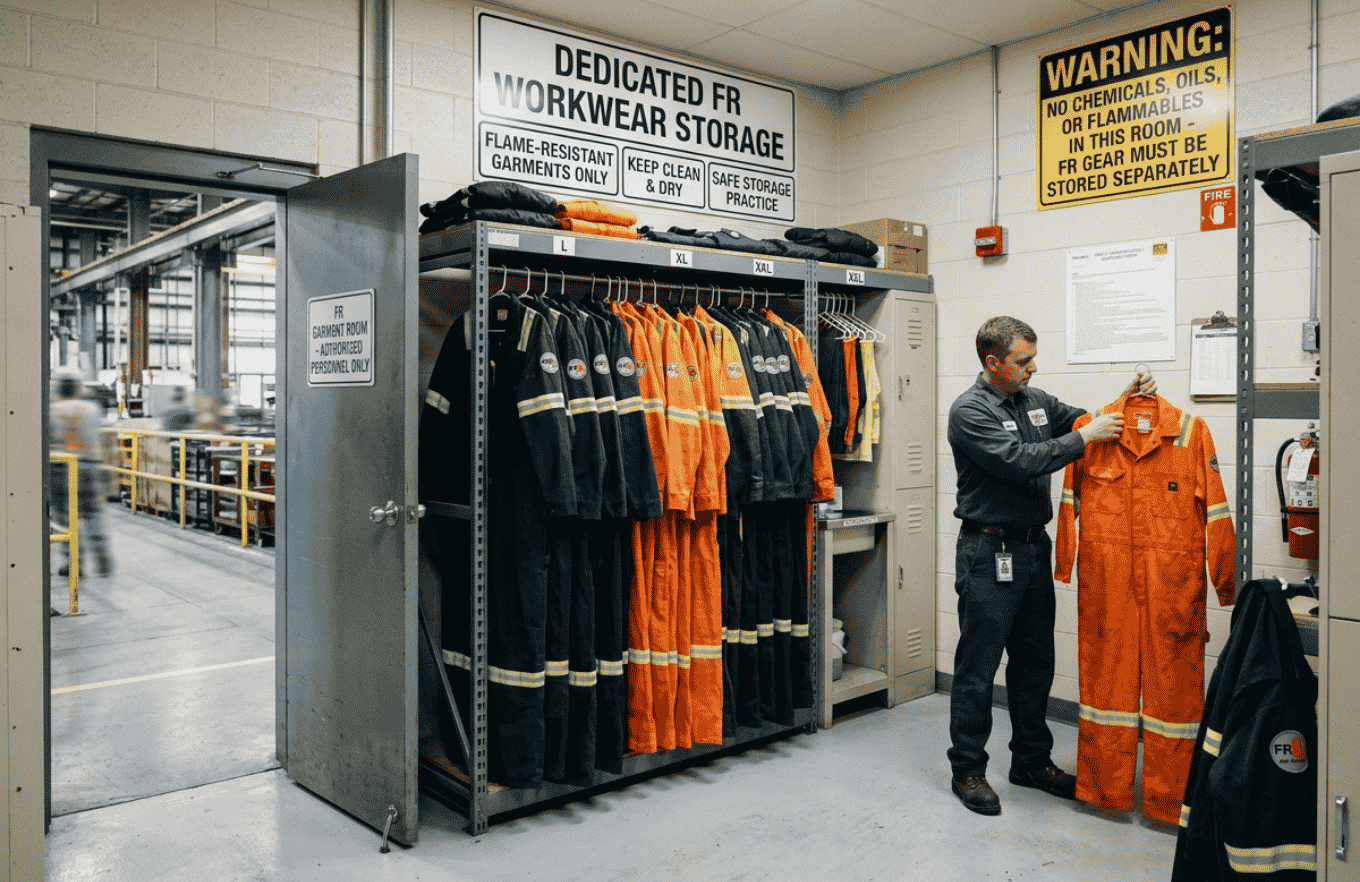
To maintain performance, garments must be stored under controlled conditions:
● Store in dry, well-ventilated areas
● Maintain a stable room temperature
● Avoid direct sunlight exposure
● Keep away from chemical storage zones
● Use clean, dust-free storage environments
These practices ensure that FR workwear maintains its structural integrity over time.
Proper handling is just as important as storage. Incorrect handling can reduce garment lifespan even before storage begins.
● Avoid dragging garments on rough surfaces
● Do not compress garments under heavy loads
● Separate clean and used clothing immediately
● Use proper hanging systems instead of tight folding
● Inspect garments before and after storage cycles
These steps help preserve performance and ensure compliance readiness for industrial use.
A professional Industrial safety clothing supplier plays an important role in guiding organizations on proper garment maintenance practices.
They ensure that customers receive not only certified protective clothing but also clear instructions on storage, handling, and maintenance. This helps industries reduce degradation risks and maintain long-term safety performance.

A reliable Protective apparel manufacturer designs garments with long-term durability in mind. This includes selecting high-performance fabrics, reinforced stitching, and materials resistant to environmental stress.
We integrate these engineering principles into its production approach, ensuring garments remain stable and functional even under extended storage conditions.
Such design considerations help reduce degradation and ensure consistent protection in demanding industrial environments.
Before storing any protective gear, inspection is essential. This ensures that damaged garments are not stored for reuse without repair.
Routine inspection helps identify:
● Fabric tears or wear points
● Chemical contamination
● Loss of reflective or protective coating
● Weak stitching or seam damage
This process ensures that only functional Flame-resistant workwear enters storage systems.
Following correct storage guidelines provides multiple benefits for industries:
● Extended garment lifespan
● Reduced replacement costs
● Consistent safety compliance
● Improved worker protection reliability
● Better inventory management efficiency
These advantages make storage management a critical part of industrial safety systems.
Proper storage is essential for maintaining the performance and safety of Flame-resistant workwear. Without controlled conditions and correct handling, even high-quality garments can degrade over time.
With guidance from a reliable Industrial safety clothing supplier, support from a Protective apparel manufacturer, and production expertise from Samad Workwear, industries can ensure long-lasting protection, compliance, and cost efficiency.
Looking for durable and compliance-ready FR workwear for industrial use? Get in touch with Samad Workwear to request technical details, fabric specifications, and bulk pricing for FR garments.
It should be stored in dry, ventilated areas away from sunlight, moisture, chemicals, and dust exposure.
UV exposure, humidity, chemical contact, and improper folding are major causes of fabric degradation over time.
Inspection ensures damaged or contaminated garments are identified and repaired before long-term storage begins.