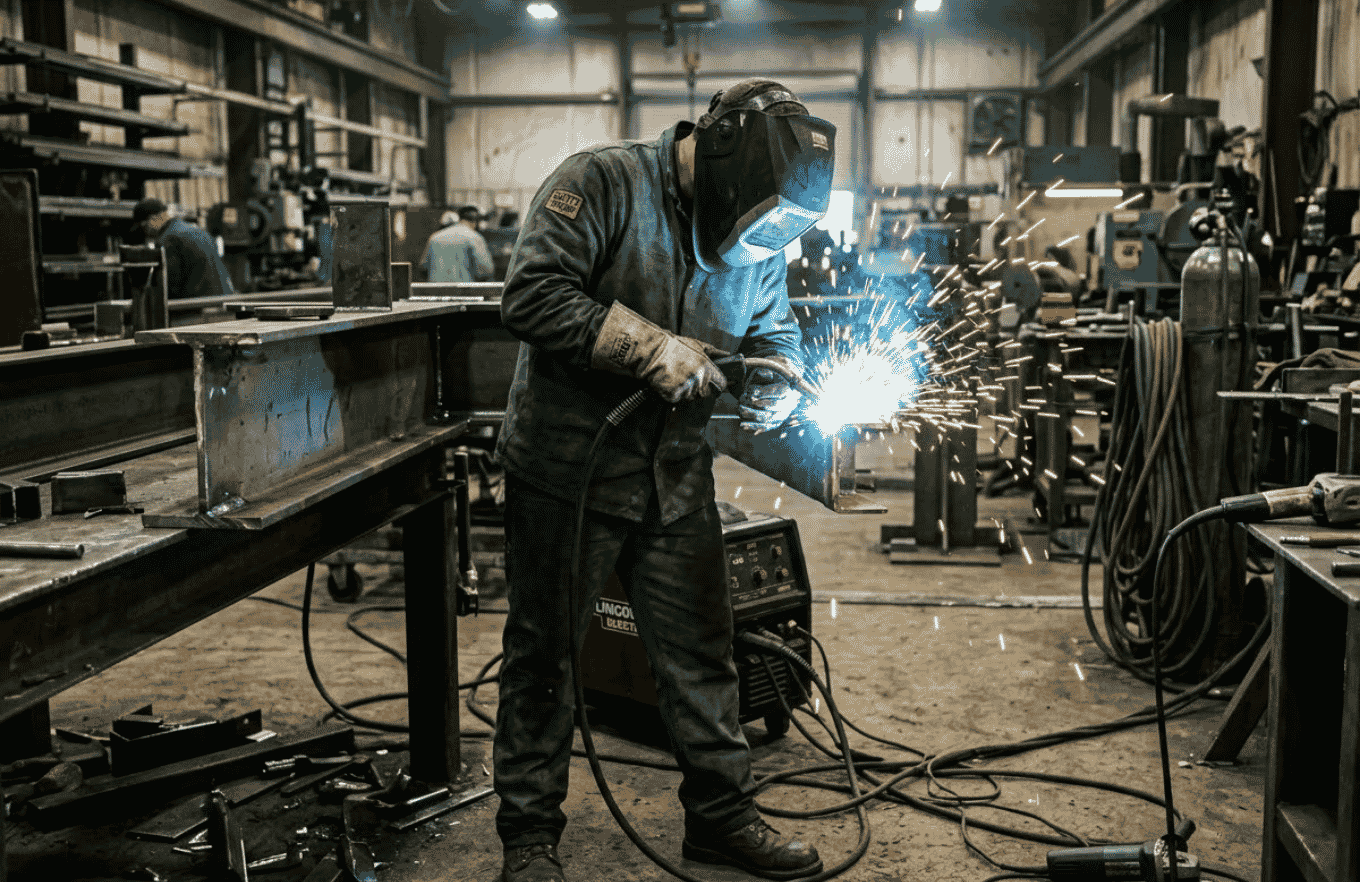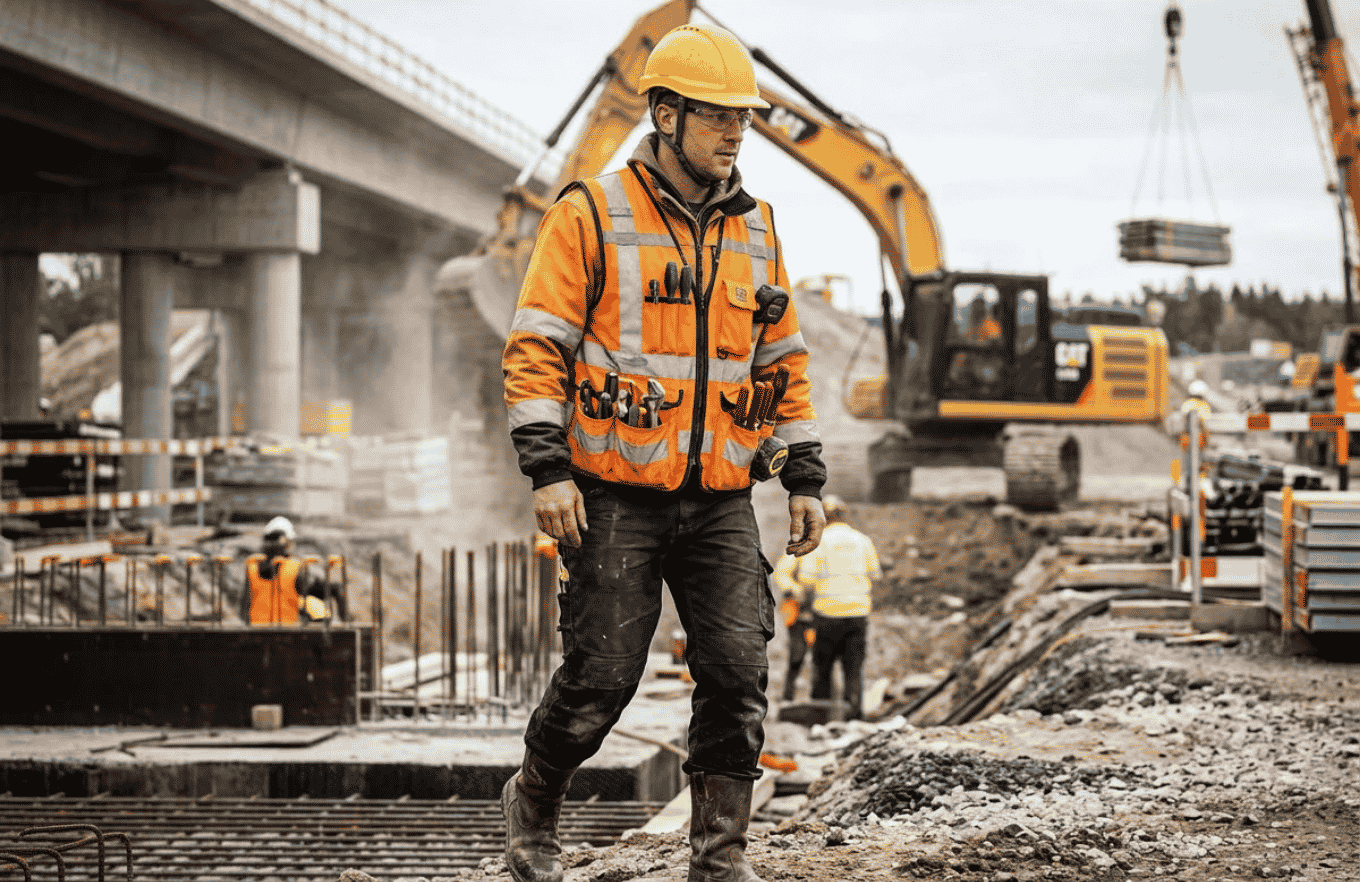

.webp)
.webp)
.webp)


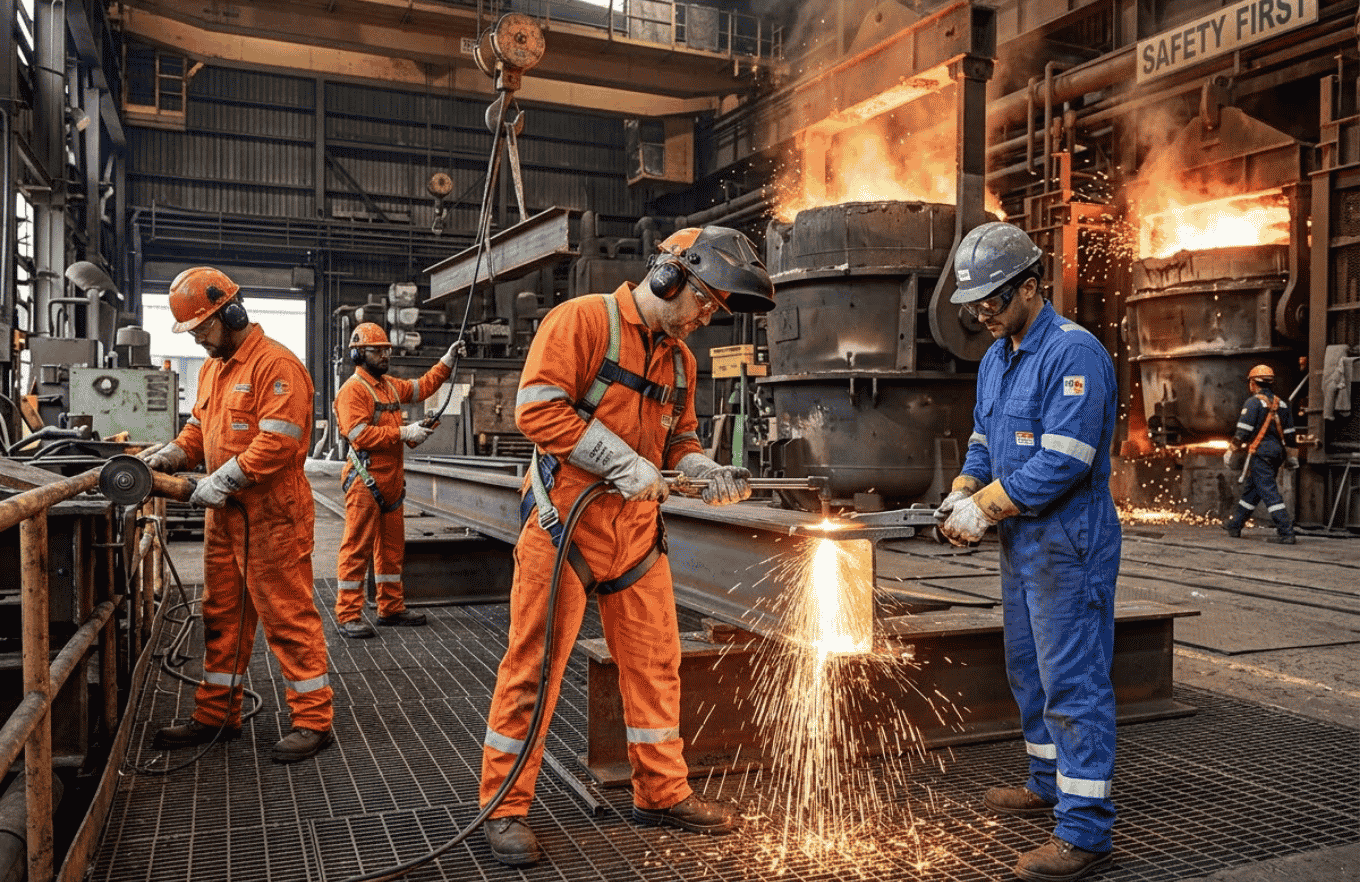
Learn when workplace hazards require flame-resistant or arc-rated workwear, which standards may apply, and what buyers should evaluate before ordering.
Businesses should implement a flame-resistant (FR) workwear program when a task-specific workplace hazard assessment identifies exposure to flash fire, short-duration flame, radiant heat, welding spatter, molten metal, electric arc or related thermal hazards. The correct time to invest is before employees begin the hazardous task-not after an accident, failed audit or damaged garment exposes a gap in protection.
As industrial hazards and compliance requirements evolve, flame-resistant workwear should be treated as one part of a complete risk-control program. Garments must be selected for the actual hazard, required protection level, working conditions and applicable safety standard. This approach helps businesses support worker safety, compliance and operational continuity while avoiding unsuitable or unnecessarily expensive specifications.
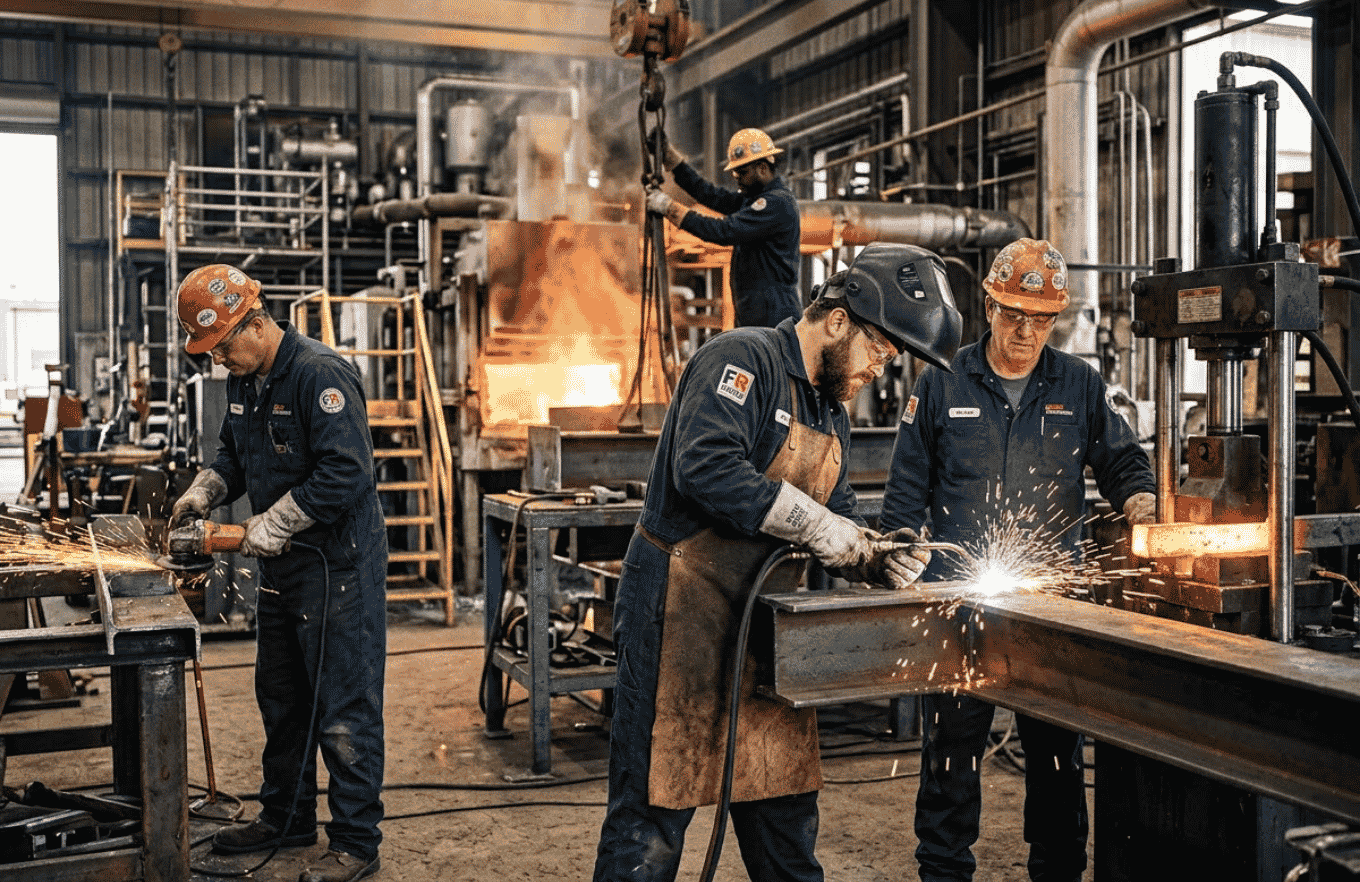
A business should review its protective-clothing program whenever workplace risks, tasks, equipment or compliance obligations change. Important triggers include:
These decisions should be based on the worker’s task and exposure—not simply on a job title or industry name.
Flame-resistant clothing is designed to resist ignition; limit flame spread and reduce continued burning after the ignition source is removed. Arc-rated clothing is specifically tested for exposure to an electric arc and carries an arc rating. All arc-rated clothing is flame-resistant, but FR clothing without an arc rating is not automatically suitable for arc-flash hazards.
Where an electric-arc hazard exists, the employer should complete the appropriate risk assessment and select arc-rated clothing with a rating suitable for the assessed exposure. A general statement such as ‘workers are near electrical equipment’ is not enough to determine the required protection.
FR or arc-rated clothing is commonly used in the following sectors when relevant hazards are present:
Not every employee in these industries requires the same garment. Protection should be specified according to the task, hazard, exposure level, work environment and applicable local requirements.
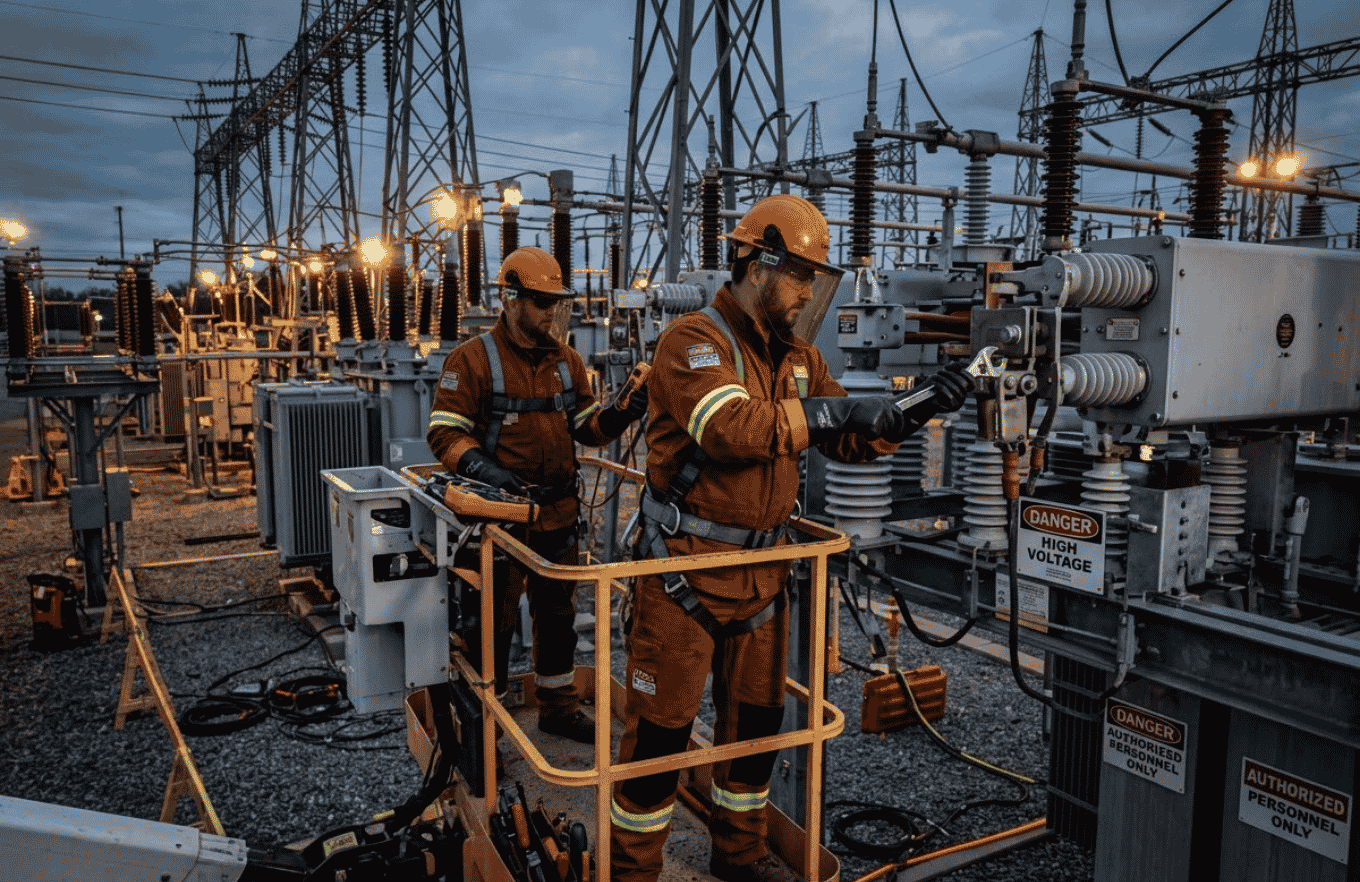
Identify whether workers face flash fires, electric arcs, short flame contact, welding spatter, radiant heat, molten metal or multiple hazards. Consider exposure duration, body areas at risk, environmental conditions and compatibility with other PPE.
The appropriate standard depends on the identified hazard and destination market. Examples may include:
Only claim compliance when valid documentation applies to the exact finished garment, design and material combination. A compliant or tested fabric does not automatically mean the finished garment is certified.
Workers are more likely to wear protective clothing correctly when it supports movement, fit and thermal comfort. Appropriate materials and garment construction can also improve service life when clothing is correctly used, inspected and laundered. Buyers should evaluate total value rather than selecting solely the lowest purchase price.
Before placing an order, buyers should request documentation relevant to the exact product and destination market, including:
The supplier should be able to connect each claim to the exact finished garment being offered rather than relying on broad statements about materials or general manufacturing capability.
Selecting the right FR clothing supplier is as important as selecting the garment itself. At Samad Workwear, we develop workwear around customer specifications, identified hazards, wearer requirements and intended markets. Our manufacturing approach focuses on material selection, garment engineering, fit, reinforced construction, production consistency and quality control.
We understand that different industries and job roles require different protection. This allows buyers to develop task-specific FR, welding and arc-rated workwear programs instead of relying on generic industrial uniforms. Any compliance or certification statement should be confirmed against the documentation for the exact garment selected.
Businesses can contact Samad Workwear to discuss product development, sampling, customization, technical specifications and bulk manufacturing requirements.
Businesses should not wait for an accident before reviewing protective clothing. An effective FR workwear program begins with a task-specific hazard assessment, followed by selection of the applicable standard, protection level, garment design and care system. Where electric-arc exposure exists, arc-rated-not merely flame-resistant-clothing must be evaluated.
Buyers should also confirm that certificates, test reports and compliance claims apply to the exact finished garment they intend to purchase. This hazard-based and evidence-led approach helps organizations protect workers, support compliance and achieve better long-term value from their workwear program.
A company should invest when a workplace hazard assessment identifies exposure to flash fire, short-duration flame, welding spatter, radiant heat, molten metal or another relevant thermal hazard.
Not automatically. Arc-flash hazards require properly selected arc-rated clothing. FR clothing without an arc rating has not necessarily been tested for electric-arc exposure.
Buyers should verify the applicable standard, protection level, exact product references, test or certification documents, garment design, sizing, care instructions and compatibility with other PPE.