


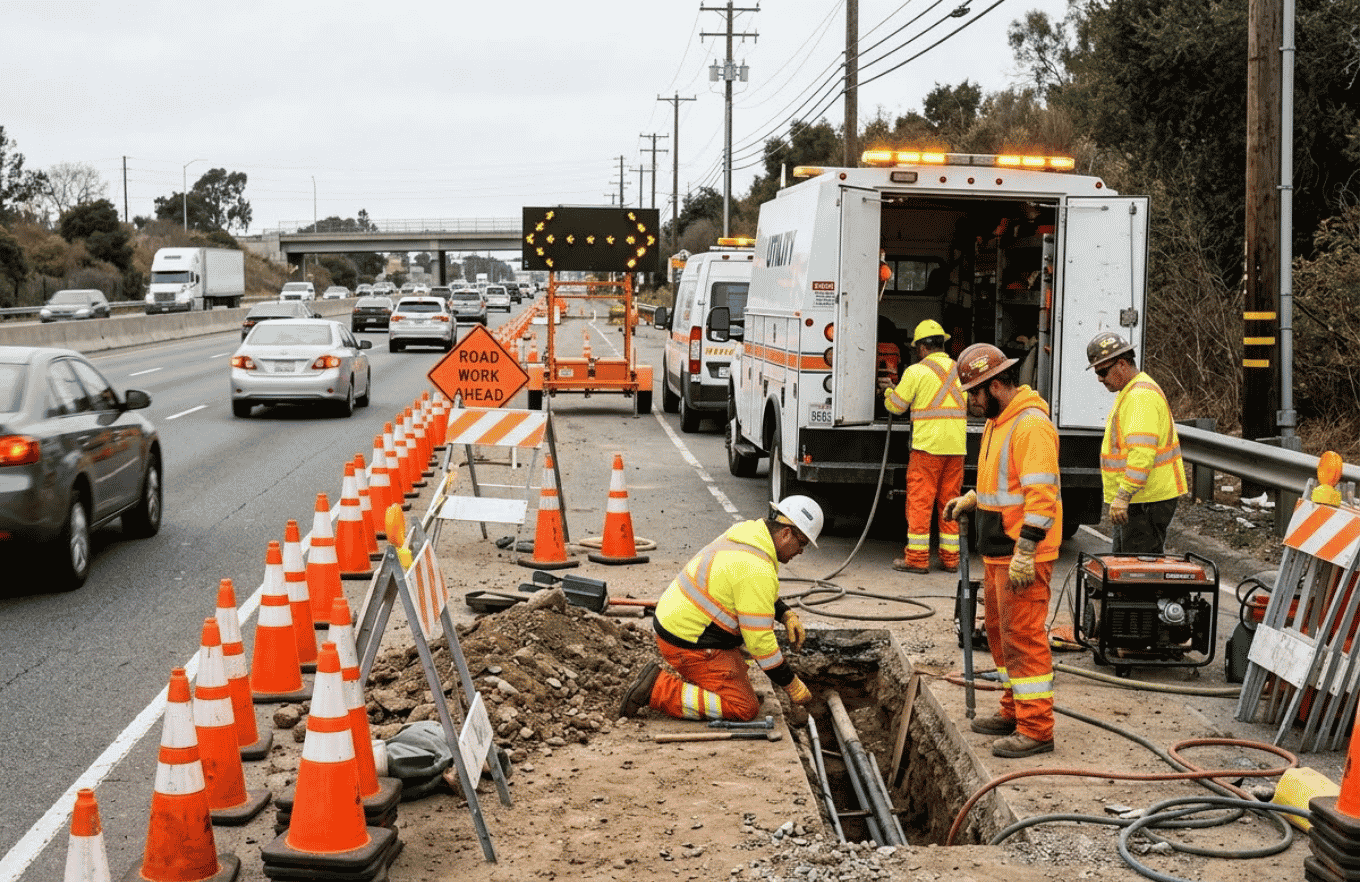
Explore how PPE for the Utilities Industry supports worker protection through hazard-specific clothing, arc-rated protection, visibility, comfort, and practical design.
Utility workers can face electrical systems, machinery, changing weather, elevated work areas, traffic, and other workplace hazards. Therefore, selecting suitable PPE for the Utilities Industry requires more than issuing a standard uniform.
Protective clothing should correspond to the actual task, identified hazards and other PPE used by employees. A well-planned workwear programme considers protection, mobility, visibility, durability, comfort and compatibility, helping businesses develop clothing specifications around real working conditions.
Utility environments can vary considerably between tasks. Electrical maintenance may involve arc-flash exposure, while field technicians can encounter rain, heat, abrasion, traffic and mechanical hazards during outdoor work.
Clothing should therefore be selected according to the identified risk rather than the employee's job title alone. A technician working around energized equipment may require different protection from someone carrying out routine infrastructure maintenance.
The selection process should begin by identifying hazards associated with each task. Electrical exposure, flame, heat, weather, visibility, abrasion, chemicals, and other relevant risks should all be considered.
This assessment helps determine whether workers require specialized garments, additional PPE, or a combination of protective features. Clothing should complement established safety procedures rather than replace them.
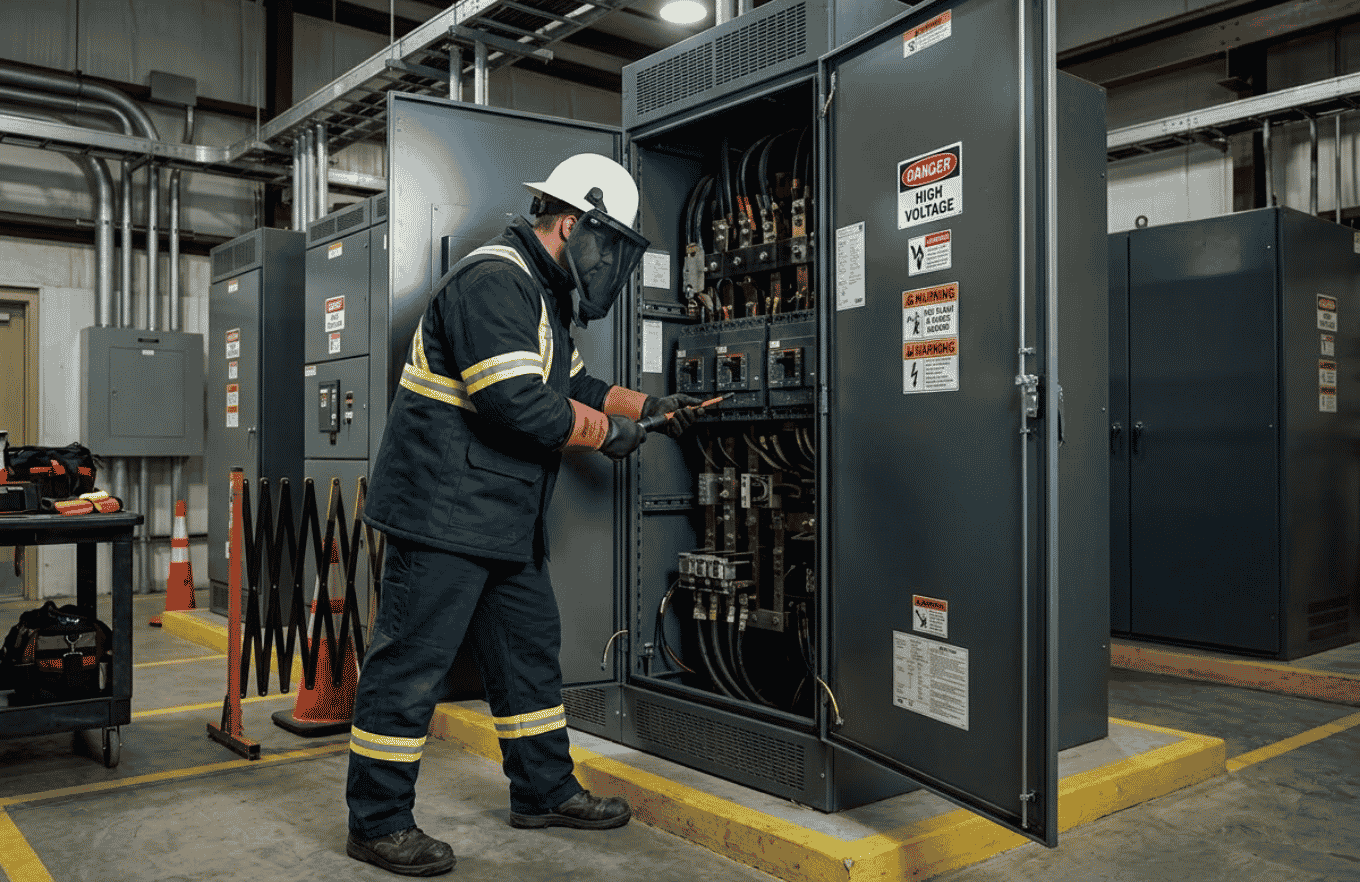
Electrical utility operations can involve thermal hazards during an arc-flash event. That’s why clothing should be selected according to the assessed electrical risk and applicable requirements.
When working with an Arc Rated Workwear Supplier, buyers should request the garment's applicable arc rating and supporting documentation. The evidence should relate to the finished garment rather than relying solely on fabric-level claims.
Arc-rated clothing is specifically evaluated for electric-arc exposure. Ordinary flame-resistant clothing should not automatically be treated as suitable for arc-flash work unless it has the required testing and rating.
Arc-rated clothing forms only one part of electrical PPE. Depending on the task, workers may also require suitable gloves, face and head protection, footwear and other equipment.
Fit is equally important. Sleeves, cuffs, closures and body coverage should work with the rest of the PPE system without creating unnecessary gaps or interference.
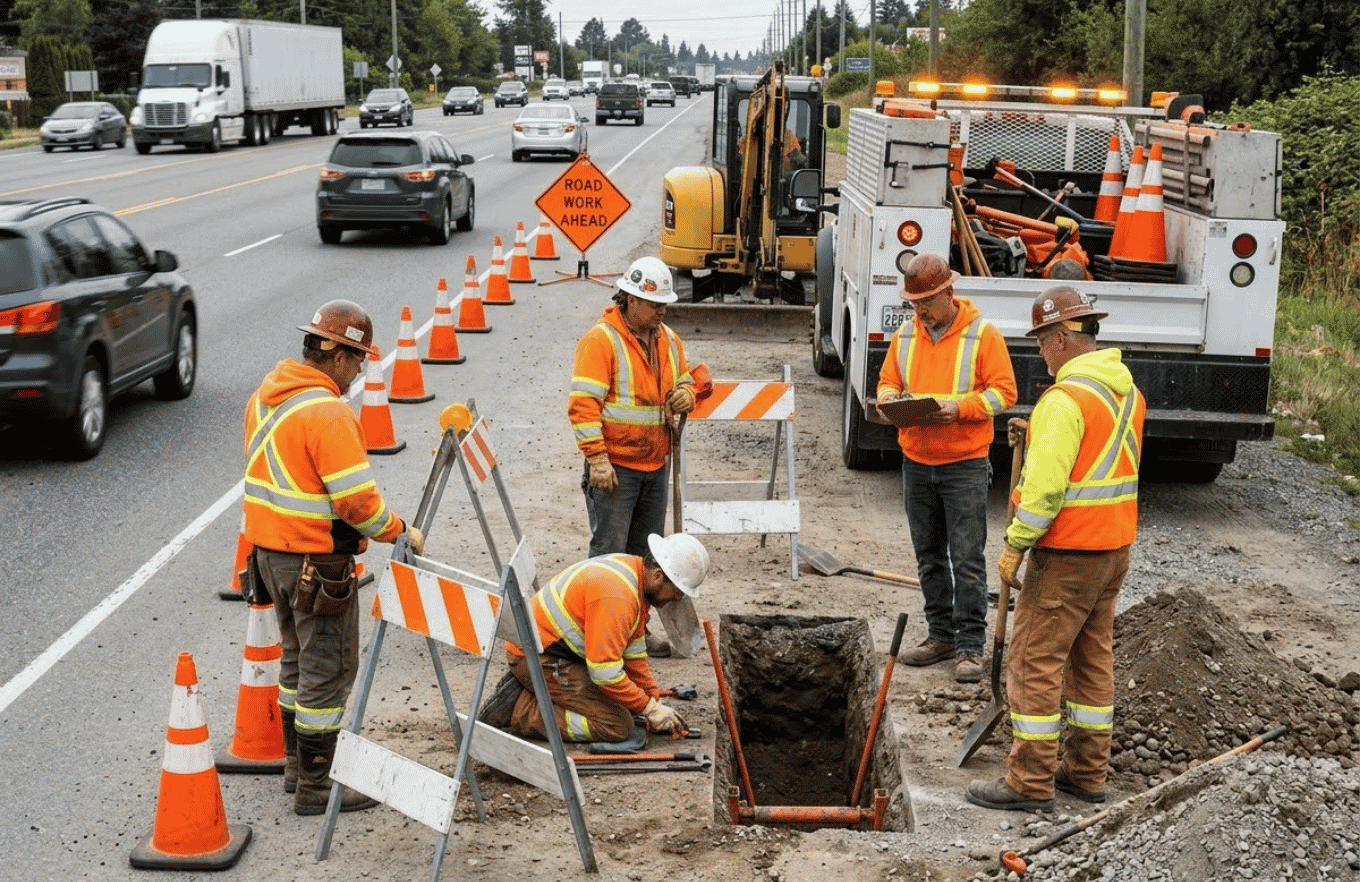
Utility personnel may work beside roads, machinery, construction areas and active facilities. High-visibility clothing can help make workers more noticeable where vehicles, equipment or reduced visibility create additional risks.
The required visibility level should be determined through the workplace risk assessment and applicable standard. Buyers should consider reflective material placement, garment coverage and the conditions in which workers operate.
Visibility features should also remain practical during movement and should not interfere with pockets, closures, harnesses or other equipment.
Utility work often continues through rain, wind, cold and heat. These conditions can affect comfort and may influence how effectively workers perform their tasks.
Outdoor garments should provide appropriate weather protection without unnecessarily restricting movement. Breathable construction, suitable layering, adjustable features, and ventilation can help workers manage changing conditions.
An Industrial Safety Clothing Supplier should therefore consider the environments in which garments will actually be used rather than applying one specification across every season and worksite.
Utility workwear can experience repeated abrasion, equipment contact, movement, and laundering. Buyers should pay attention to stress points such as seams, pockets, cuffs, knees and closures when assessing garment construction.
Storage is another practical consideration. Field workers may need access to tools, communication equipment or documentation. Well-positioned pockets can improve accessibility without adding excessive bulk.
A functional garment should support movement during climbing, bending and equipment operation while maintaining the required coverage.
Sustainability is becoming another consideration in workwear purchasing. Businesses can assess material selection, garment durability, repairability, production practices, and expected service life alongside protective requirements.
Eco-Friendly Industrial Uniforms can support sustainability objectives when environmental considerations are incorporated without compromising the intended protective function.
Longer-lasting garments may also reduce unnecessary replacement cycles. However, damaged or unsuitable PPE should always be removed from service regardless of its expected lifespan.
Samad Workwear develops industrial workwear around practical requirements such as protection, mobility, visibility, weather resistance, garment construction, and workplace functionality.
For businesses sourcing from an Arc Rated Workwear Supplier, establishing garment specifications and supporting documentation before production is important. The same principle applies to high-visibility, weather-resistant and task-specific utility clothing.
We can also support customization and production requirements for organisations seeking consistent workwear across different teams, locations or operational roles.
Utility-focused PPE is relevant across electrical distribution, power generation, telecommunications, water and wastewater services, gas infrastructure, public works, transportation infrastructure and industrial maintenance.
The hazards vary between sectors. Electrical workers may require arc-rated protection, while telecommunications and infrastructure crews may place greater emphasis on visibility, weather protection, mobility, and abrasion resistance.
For this reason, an Industrial Safety Clothing Supplier should help buyers connect garment specifications with actual working conditions rather than treating every utility role as identical.
A practical selection process should connect the workplace hazard assessment with garment specifications, applicable standards, worker requirements, and maintenance procedures.
Before ordering, buyers should review intended protection, construction, sizing, compatibility with other PPE, care requirements, supporting documentation and expected service conditions.
For businesses considering PPE for the Utilities Industry, sustainability criteria can then be incorporated alongside protection, durability and service-life requirements.
Planning protective workwear for demanding utility environments? Contact Samad Workwear to discuss customised specifications, sampling, technical requirements and bulk PPE solutions for your teams.
Selecting PPE for utility work requires a task-specific approach. Electrical exposure, visibility, weather, abrasion, mobility and compatibility with other PPE can all influence the appropriate garment specification.
Businesses should verify applicable standards and supporting documentation while considering how clothing will perform under actual working conditions. Whether the requirement involves arc-rated garments, high-visibility clothing, weather protection, or durable field uniforms, selection should reflect the hazards employees face.
Samad Workwear supports utility workwear development through practical garment design, customization and production solutions aligned with operational requirements.
Requirements depend on the task and workplace assessment but may include protective clothing, arc-rated garments, high-visibility clothing, gloves, footwear, eye and head protection, and fall protection.
Arc-rated clothing should be considered when a workplace assessment identifies an electric-arc hazard and applicable requirements call for arc-rated protection.
Businesses should evaluate garment specifications, applicable standards, documentation, customization capabilities, sizing, durability, care requirements, and suitability for the actual utility work environment.


