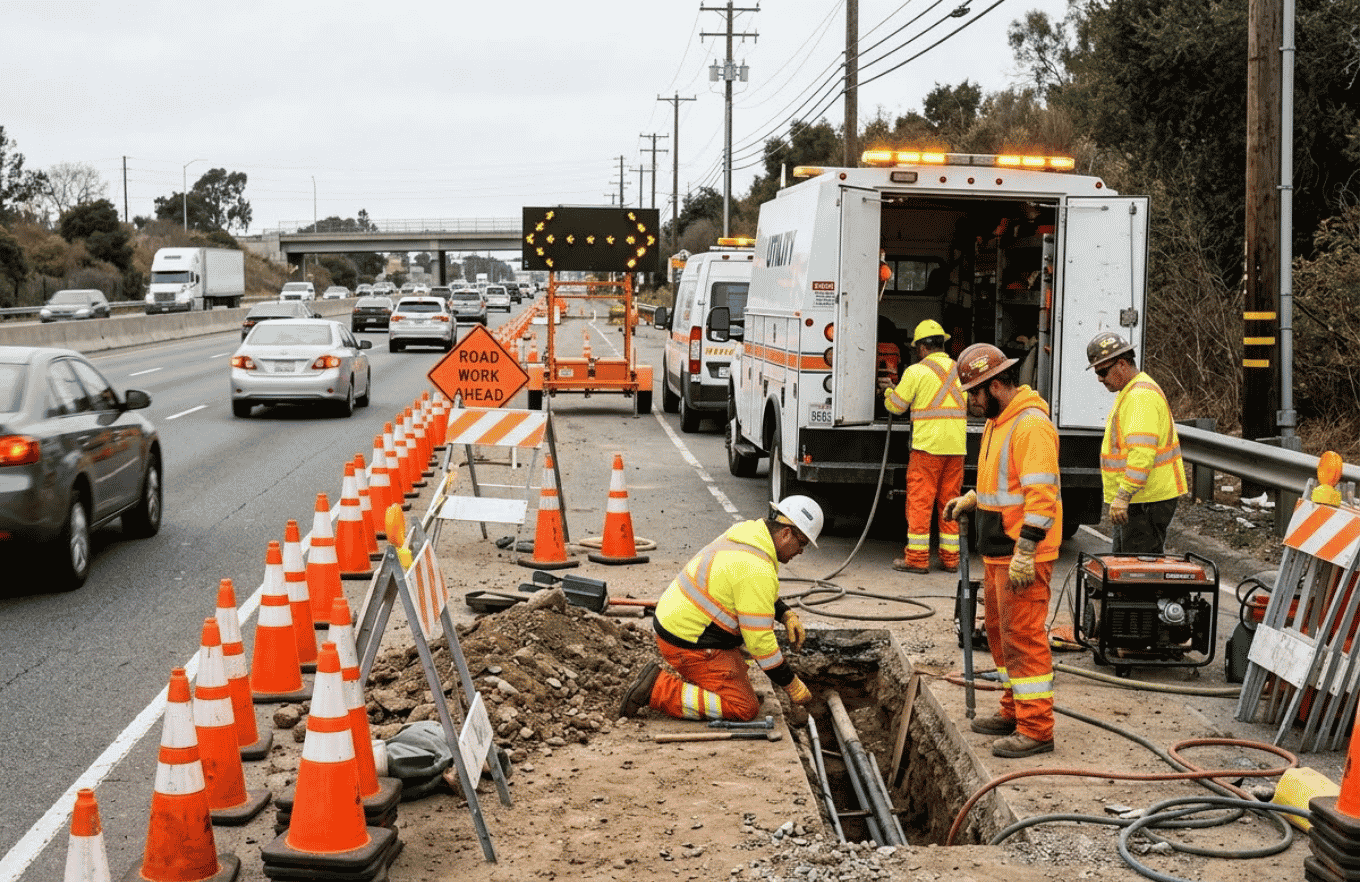
Explore how an Industrial Workwear Supplier combines customization, sustainable materials, and practical design to shape modern industrial workwear.
Industrial workwear is no longer limited to standard uniforms designed simply to withstand demanding conditions. Businesses increasingly expect garments to support worker comfort, practical job requirements, professional identity, and more considered material choices.
Choosing the right Industrial Workwear Supplier can therefore influence more than appearance. Fabric selection, garment construction, durability, customization, and production planning can all affect how effectively workwear performs throughout its service life.
As businesses pay greater attention to resource use and workplace requirements, customization and sustainability are becoming increasingly connected. The focus is shifting towards workwear that is designed around how employees actually work.
Different roles require different garment features. Construction workers may need freedom of movement and weather protection, while maintenance teams may prioritize storage and durability. Warehouse and logistics employees can have different requirements again.
This makes a one-style-fits-all approach less practical for many organizations. Modern workwear programmes increasingly consider the employee's tasks, workplace conditions, climate, movement and interaction with tools or equipment.
Purchasing decisions are also moving beyond initial garment cost. Durability, maintenance, replacement frequency and material selection can all influence the longer-term value of a workwear programme.

Custom Workwear Uniforms can be developed around specific job functions rather than being limited to logos and company colors.
Businesses can consider pocket configurations, closures, garment combinations, fit, and other functional details according to how employees use their clothing. A maintenance team, for example, may require greater tool storage, while outdoor workers may need suitable layering and weather-resistant garments.
Thoughtful customization can also prevent unnecessary features. Instead of adding components that employees rarely use, businesses can focus on elements that provide genuine practical value.
Sustainability in industrial clothing involves more than selecting recycled materials. It can include material sourcing, manufacturing practices, garment durability, maintenance,e and replacement requirements.
A durable garment that remains functional through repeated use may reduce the need for frequent replacement. Similarly, selecting materials according to actual workplace conditions can help prevent premature wear.
Manufacturers are also exploring recycled fibers, responsibly sourced materials, and more efficient production approaches. For buyers, this creates opportunities to consider environmental factors alongside practical workwear requirements.
The interest in Eco-Friendly Industrial Uniforms reflects a broader shift in purchasing priorities. Sustainability can be considered alongside durability, garment quantity, material selection, and expected service life rather than treated as a separate feature.
For organizations purchasing workwear in larger volumes, careful planning can also help avoid unsuitable garments and unnecessary replacements.

The requirements for industrial workwear vary considerably across sectors.
Construction often requires garments that support movement and changing outdoor conditions. Manufacturing may prioritize durability, storage, and task-specific functionality. Utilities and energy may require specialized protective features alongside visibility and weather protection.
Logistics and Warehousing may place greater emphasis on comfort, mobility, and functional storage during long shifts.
The key consideration is the actual job and workplace environment, not simply the industry category.
Customization and sustainability can complement each other when garment development begins with genuine workplace requirements.
Selecting an appropriate fabric weight for the climate, designing storage around actual tools, or creating practical layering systems can make garments more useful throughout their service life.
An experienced Industrial Workwear Supplier can help businesses evaluate these considerations together, moving away from generic purchasing towards more purposeful garment development.
Before selecting a workwear range, purchasing teams should assess:
● Employee tasks and workplace conditions
● Fabric performance and durability
● Fit, movement and comfort
● Maintenance and expected service life
● Customization and branding requirements
● Material sourcing and sustainability considerations
● Production capacity and consistency
Customization should support the intended application rather than simply increase garment complexity. Similarly, sustainability should be evaluated through actual material and lifecycle considerations rather than marketing claims alone.
Samad Workwear approaches industrial workwear with attention to garment requirements, material selection, customization, and production consistency.
For businesses developing Custom Workwear Uniforms, working with a manufacturer can provide an opportunity to discuss garment construction, sizing, branding, materials, and production requirements before committing to larger orders.
This approach can also support more considered purchasing by helping businesses select garments according to actual workplace use.
Samad Workwear supports businesses seeking industrial workwear that combines professional presentation with practical functionality. Its manufacturing approach allows buyers to consider garment design, materials, and customization according to specific workplace requirements.
For businesses exploring Eco-Friendly Industrial Uniforms, sustainability can be considered as part of broader product decisions, including material selection, durability, production planning and intended use.
The objective should remain practical: workwear needs to fit the job, support movement, withstand regular use and meet the organization’s requirements.
The future of industrial workwear will increasingly involve balancing functionality, durability, customization, and more responsible material choices.
An Industrial Workwear Supplier can support this process by helping businesses evaluate garment construction, materials, customization, and production requirements together.
As workplace needs and manufacturing practices evolve, purpose-built workwear and sustainability-focused choices are becoming increasingly relevant across construction, manufacturing, utilities, logistics and other demanding sectors.
Ready to develop workwear around your actual workforce requirements? Contact Samad Workwear to discuss custom designs, material options, sampling and bulk manufacturing for your organization.
Industrial workwear is moving towards a more purposeful approach where customization, durability, comfort, and sustainability are considered together.
For businesses, the right workwear programme starts with understanding what employees actually need and selecting garments accordingly. Samad Workwear helps organizations approach these decisions through practical workwear development, customization, and production support for modern industrial environments.
Purpose-built garments can reduce unnecessary features and improve suitability for specific tasks, potentially supporting longer and more practical use.
Businesses should ask about materials, construction, customization, sizing, durability, care requirements, production capabilities, and available sustainability-focused options.
They can be, provided the selected materials and garment construction are appropriate for the workplace conditions, required durability, and intended application.